



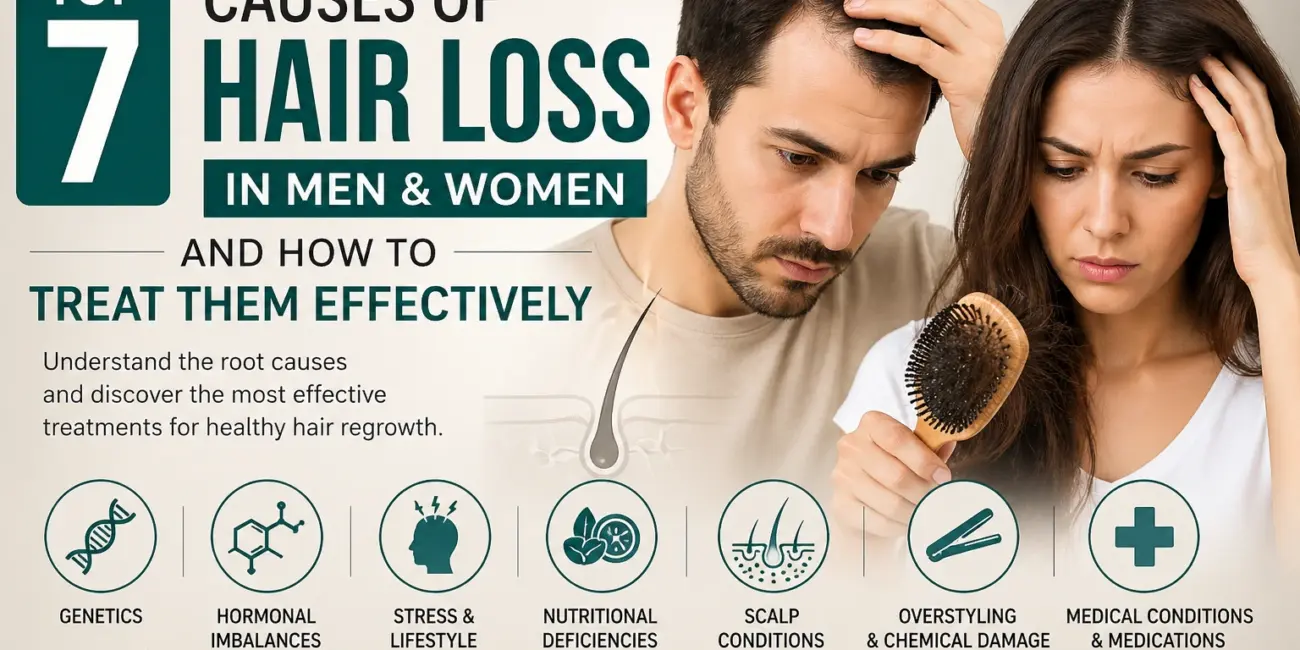
Hair loss is one of the most common concerns affecting both men and women today. Whether it’s gradual thinning, excessive shedding, or visible bald patches, losing hair can impact confidence and overall well-being. The good news is that most types of hair loss are treatable – once you understand the root cause.
In this guide, we’ll break down the top 7 causes of hair loss and the most effective ways to treat each one.
1. Genetic Hair Loss (Androgenetic Alopecia)
The most common cause of hair loss is genetics, often referred to as male or female pattern baldness. It usually appears as a receding hairline in men or thinning at the crown in women.
Why it happens:
It is caused by sensitivity to a hormone called DHT (dihydrotestosterone), which shrinks hair follicles over time.
How to treat it:
- PRP (Platelet-Rich Plasma) therapy to stimulate follicles
- Exosome therapy for advanced regeneration
- FDA-approved medications (under medical guidance)
- Early intervention is key to slowing progression
2. Hormonal Imbalances
Hormonal changes can significantly affect hair growth cycles. This is especially common in women.
Common triggers include:
- Pregnancy and postpartum changes
- Thyroid disorders
- Polycystic Ovary Syndrome
- Menopause
How to treat it:
- Hormone balancing through medical consultation
- Nutritional support and supplements
- Targeted treatments like mesotherapy
3. Stress and Lifestyle Factors
Chronic stress can push hair follicles into a resting phase, leading to excessive shedding—a condition known as telogen effluvium.
Signs:
- Sudden hair fall after stress, illness, or major life changes
- Hair coming out in clumps while washing or combing
How to treat it:
- Stress management (yoga, meditation, proper sleep)
- Balanced diet rich in vitamins and minerals
- PRP therapy to accelerate recovery
4. Nutritional Deficiencies
Your hair needs proper nutrition to grow. Deficiencies in key nutrients can weaken hair structure and slow growth.
Important nutrients for hair health:
- Iron
- Vitamin D
- Biotin
- Protein
How to treat it:
- Blood tests to identify deficiencies
- Diet improvement (leafy greens, nuts, eggs, protein-rich foods)
- Supplements as prescribed by a doctor
5. Scalp Conditions
A healthy scalp is essential for healthy hair growth. Conditions like dandruff, infections, or inflammation can damage hair follicles.
Common scalp issues:
- Severe dandruff
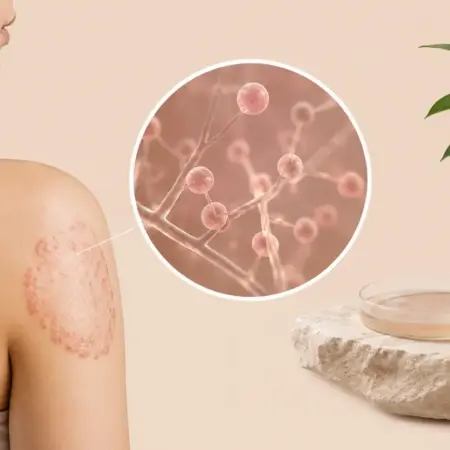
- Fungal infections
- Psoriasis or dermatitis
How to treat it:
- Medicated shampoos and topical treatments
- Scalp detox therapies
- Professional dermatological care
6. Overstyling and Chemical Damage
Excessive use of heat styling tools, hair coloring, rebonding, or harsh chemicals can weaken hair strands and lead to breakage.
Warning signs:
- Dry, brittle hair
- Split ends
- Hair breakage instead of root shedding
How to treat it:
- Reduce heat and chemical exposure
- Use sulfate-free and gentle hair products
- Hydration therapies and scalp treatments
- Regular trims to prevent further damage
7. Medical Conditions & Medications
Certain health conditions and medications can lead to temporary or permanent hair loss.
Examples include:
- Alopecia Areata
- Chronic illnesses
- Chemotherapy treatments
- Long-term medication use
How to treat it:
- Treat the underlying medical condition
- Dermatologist-guided therapies
- Advanced treatments like PRP or regenerative therapies
Advanced Hair Loss Treatments That Actually Work
Today, modern dermatology offers several effective solutions for hair restoration. Depending on your condition, a specialist may recommend:
✔ PRP (Platelet-Rich Plasma) Therapy
PRP therapy is one of the most effective non-surgical treatments for hair regrowth. It uses your own blood plasma, rich in growth factors, to stimulate dormant hair follicles and improve hair density. This treatment is ideal for individuals experiencing early-stage hair thinning and pattern baldness.
✔ Exosome Therapy
Exosome therapy is an advanced regenerative solution that promotes cellular repair and accelerates hair growth. It works at a deeper level by improving scalp health and activating weak follicles. This treatment is especially beneficial for those looking for faster and more noticeable results compared to traditional methods.
✔ Mesotherapy
Mesotherapy treatment involves micro-injections of essential nutrients, vitamins, and minerals directly into the scalp. This helps strengthen hair roots, improve blood circulation, and reduce hair fall. It is a great option for individuals dealing with nutritional deficiencies or weakened hair follicles.
✔ Combination Treatments
A customized approach often delivers the best results, especially for chronic hair loss.
When Should You Seek Professional Help?
If you notice any of the following, it’s time to consult a specialist:
- Hair fall lasting more than 2–3 months
- Visible thinning or bald patches
- Sudden, excessive shedding
- Hair loss along with other symptoms (fatigue, weight changes, etc.)
Early diagnosis can make a huge difference in treatment success.
Final Thoughts
Hair loss is not just a cosmetic issue – it’s often a sign of underlying health or lifestyle factors. The key to effective treatment lies in identifying the root cause and choosing the right solution.
With advancements in treatments like PRP, exosomes, and mesotherapy, regaining healthy, thicker hair is more achievable than ever. The sooner you take action, the better your chances of restoring your hair naturally and effectively.
1. What is the most common cause of hair loss in men and women?
The most common cause is genetic hair loss (androgenetic alopecia), which is influenced by hormones and family history. It typically leads to gradual thinning over time.
2. Can hair loss be reversed permanently?
Hair loss can often be controlled and significantly improved, especially when treated early. While some types are reversible, genetic hair loss requires ongoing maintenance treatments.
3. How do I know the exact cause of my hair loss?
A proper diagnosis involves scalp examination, medical history, and sometimes blood tests. Consulting a hair specialist helps identify the root cause accurately.
4. Is PRP treatment effective for hair regrowth?
Yes, PRP (Platelet-Rich Plasma) therapy is a clinically proven treatment that stimulates hair follicles, improves thickness, and reduces hair fall when done consistently.