




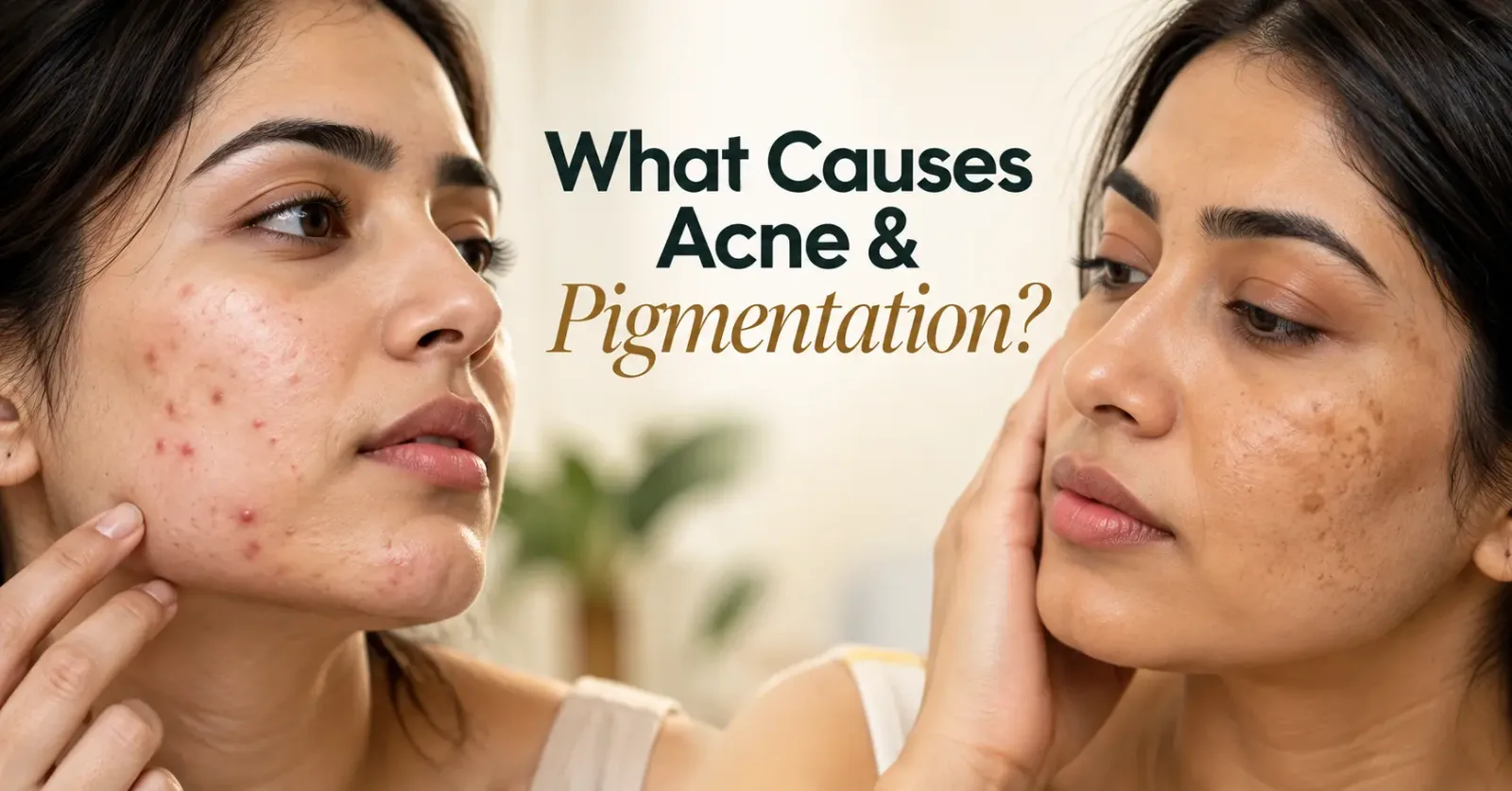
Acne and pigmentation are among the most common skin concerns affecting people of all ages. Many individuals experience breakouts and dark spots on the face but often focus only on treating the visible symptoms rather than understanding the underlying causes. As a result, treatments may provide temporary relief but fail to prevent recurring skin issues.
Understanding what causes acne and pigmentation is essential for choosing the right skincare routine or treatment plan. Identifying the root triggers – such as hormonal changes, lifestyle factors, or sun exposure – can help address the problem more effectively and prevent long-term skin damage.
What Is Acne?
Acne is a common skin condition that occurs when hair follicles become clogged with oil (sebum), dead skin cells, and bacteria. This blockage leads to inflammation, resulting in different types of breakouts.
Types of Acne:
- Whiteheads: Closed clogged pores that appear as small white bumps.
- Blackheads: Open clogged pores where the surface oxidizes and turns dark.
- Papules: Small red inflamed bumps that may feel tender.
- Pustules: Pimples filled with pus, often with a red base and white center.
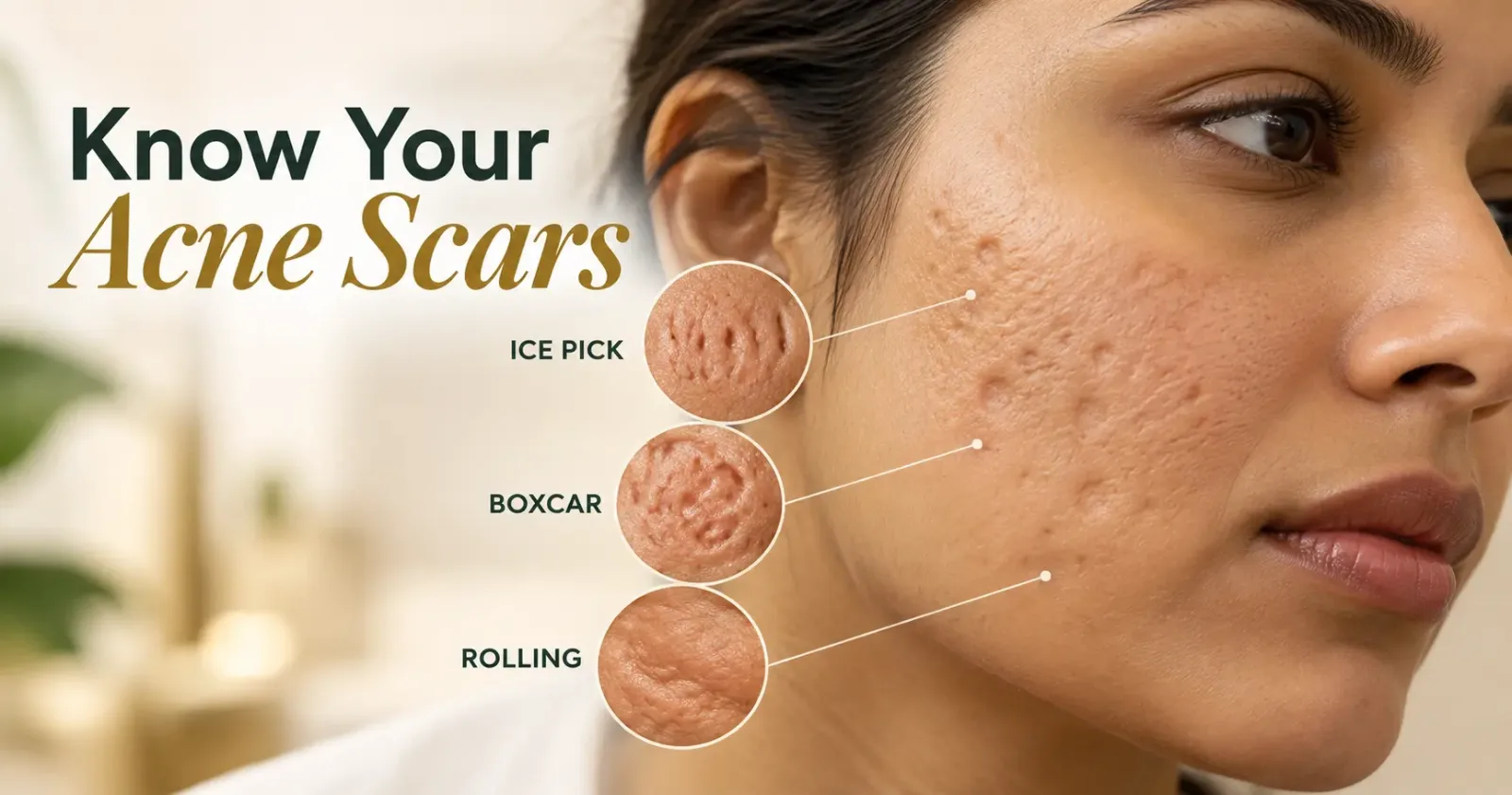
- Nodules and cysts: Severe forms of acne that develop deep under the skin and may cause scarring.
Acne most commonly appears on areas with a high concentration of oil glands, including the face, back, chest, and shoulders.
What Is Skin Pigmentation?
Skin pigmentation refers to the darkening or discoloration of certain areas of the skin caused by an overproduction of melanin—the pigment responsible for skin color.
Common Types of Pigmentation:
- Hyperpigmentation: General dark spots caused by excess melanin.
- Melasma: Hormone-related pigmentation often appearing as patches on the face.
- Post-inflammatory hyperpigmentation (PIH): Dark marks left behind after acne, injuries, or skin inflammation.
Unlike acne, which involves active inflammation and breakouts, pigmentation usually appears as flat dark spots or patches on the skin.
Root Causes of Acne
Several internal and external factors can contribute to acne development.
1. Excess Oil Production
Sebaceous glands produce oil to keep skin hydrated. However, excessive sebum production can clog pores and trigger acne.
2. Hormonal Imbalance
Hormonal fluctuations during puberty, menstruation, pregnancy, or conditions like PCOS can increase oil production and cause breakouts.
3. Bacterial Growth
The bacteria Propionibacterium acnes (P. acnes) thrive in clogged pores, causing inflammation and infection.
4. Dead Skin Cell Buildup
When dead skin cells accumulate on the skin surface, they can block pores and lead to acne formation.
5. Diet and Lifestyle Factors
High sugar intake, dairy products, stress, and lack of sleep may worsen acne by affecting hormone levels and skin health.
6. Poor Skincare Habits
Using comedogenic products, over-exfoliating, or not cleansing properly can increase the risk of breakouts.
Root Causes of Pigmentation
Pigmentation occurs when the skin produces excess melanin, often triggered by environmental or internal factors.
1. Sun Exposure
Ultraviolet (UV) rays stimulate melanin production, which can lead to dark spots and uneven skin tone.
2. Hormonal Changes
Pregnancy, birth control pills, or hormonal imbalances may cause melasma and other pigmentation issues.
3. Skin Inflammation or Injury
Acne, burns, cuts, or aggressive skincare treatments can trigger post-inflammatory pigmentation.
4. Genetics
Some individuals are genetically more prone to pigmentation problems.
5. Certain Medications
Medications such as antibiotics or hormone therapies may sometimes cause skin discoloration.
How Acne Leads to Pigmentation?
Acne often leaves behind dark spots known as post-inflammatory hyperpigmentation (PIH). This occurs when inflammation from acne stimulates the skin to produce excess melanin during the healing process.
Picking or squeezing pimples can worsen inflammation and increase the likelihood of pigmentation marks. Additionally, delayed healing or improper skincare can make these spots darker and more noticeable.
Certain skin types, particularly medium to darker skin tones, are more prone to developing pigmentation after acne.
Common Triggers That Cause Both Acne and Pigmentation
Some factors can trigger both acne breakouts and pigmentation simultaneously.
Hormonal fluctuations – Changes in hormone levels can increase oil production and stimulate melanin activity.
Stress and lack of sleep – Chronic stress increases cortisol levels, which can worsen acne and slow skin healing.
Poor diet and dehydration – Unhealthy eating habits can affect skin balance and increase inflammation.
Incorrect skincare products – Products that clog pores or irritate the skin may cause acne and pigmentation.
Sun exposure without protection – UV rays not only worsen pigmentation but also slow the healing of acne marks.
Acne vs Pigmentation: Key Differences
Although acne and pigmentation often appear together, they are different skin conditions.
| Feature | Acne | Pigmentation |
|---|---|---|
| Skin Condition | Active inflammation | Discoloration of skin |
| Appearance | Pimples, bumps, cysts | Dark spots or patches |
| Texture | Raised or swollen | Flat surface |
| Pain | May be painful or tender | Usually painless |
| Treatment | Anti-acne treatments | Pigmentation therapies |
Understanding these differences helps determine the correct treatment approach.
Why Understanding the Root Cause Matters?
Treating acne and pigmentation without identifying the underlying cause may lead to temporary results or worsening skin conditions.
Knowing the root cause helps to:
- Avoid incorrect skincare treatments
- Reduce recurring breakouts or dark spots
- Save time and money on ineffective solutions
- Choose targeted skincare or clinical treatments
A proper diagnosis allows for a more personalized and effective treatment plan.
What to Expect Before Treatment?
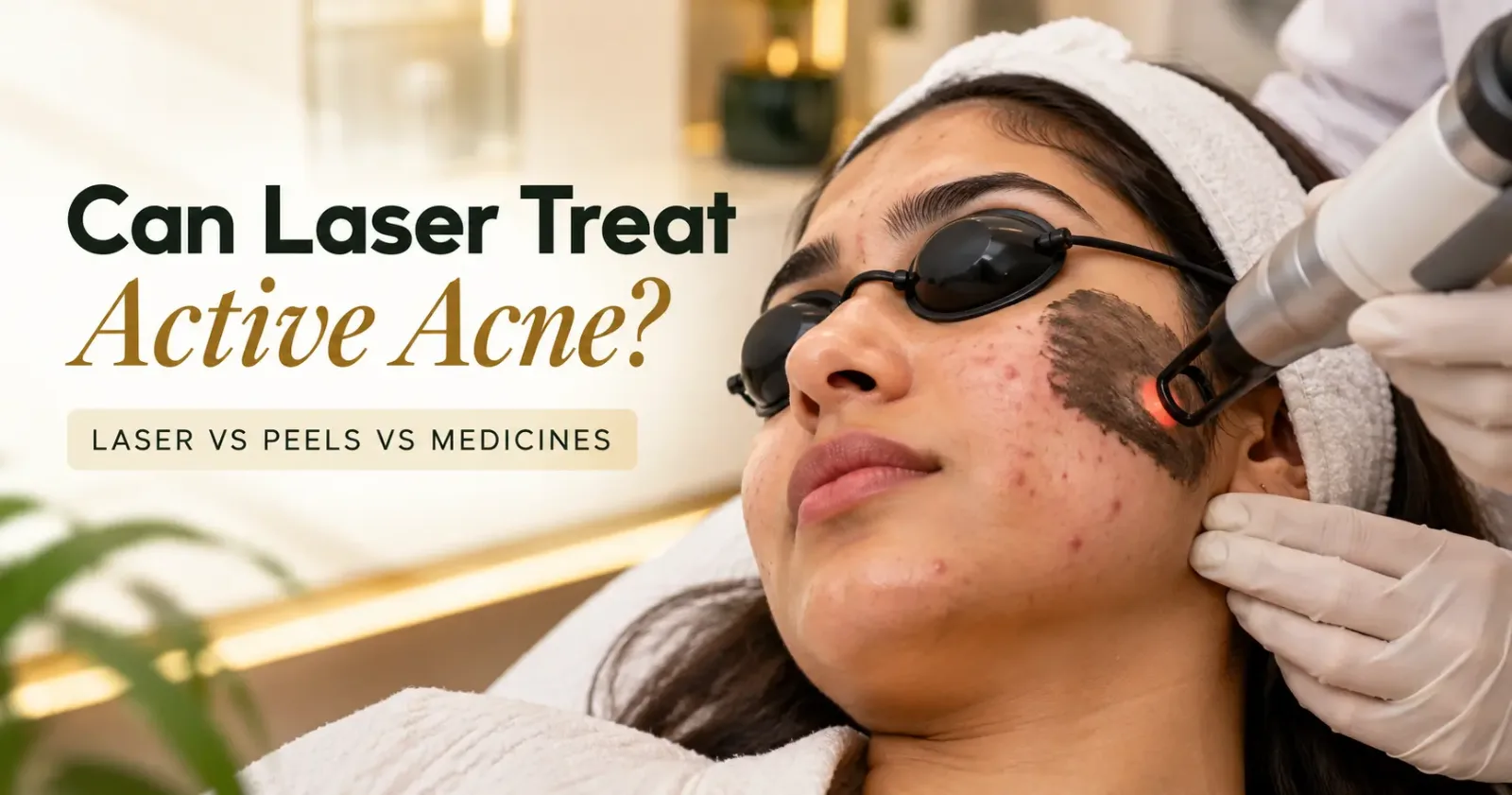
Before starting any treatment for acne or pigmentation, a skin expert usually performs a detailed evaluation.
The process may include:
- Professional skin analysis
- Identifying the type of acne and pigmentation
- Reviewing medical history and lifestyle factors
- Conducting patch tests if required
- Designing a customized treatment plan
This ensures treatments are safe and suited to your skin type.
When Should You See a Skin Expert?
While mild acne or pigmentation can sometimes improve with basic skincare, professional help may be necessary in certain cases.
Consider consulting a skin specialist if you experience:
- Persistent acne that does not respond to skincare products
- Severe breakouts such as cystic acne
- Pigmentation that continues to darken or spread
- Scarring or uneven skin texture
- Long-lasting acne marks that do not fade over time
Early treatment can prevent long-term skin damage.
Tips to Prevent Acne and Pigmentation
Preventive skincare habits play a crucial role in maintaining healthy skin.
Follow these simple tips:
- Maintain a consistent skincare routine
- Use sunscreen daily with SPF 30 or higher
- Avoid touching or picking your skin
- Eat a balanced diet rich in nutrients
- Drink enough water to keep skin hydrated
- Manage stress and maintain proper sleep
These habits help protect the skin and reduce the risk of both acne and pigmentation.
Conclusion
Acne and pigmentation are closely connected skin concerns that often share similar underlying triggers such as hormonal imbalance, lifestyle factors, and sun exposure. Treating only the visible symptoms may provide temporary relief, but understanding the root causes leads to more effective and long-term solutions.
By identifying the underlying factors and seeking professional guidance when needed, individuals can achieve clearer, healthier, and more balanced skin. Addressing the cause rather than just the symptoms ensures better results and reduces the chances of recurring skin problems.