






Glass skin is a Korean beauty term for skin that looks smooth, clear, well hydrated and lightly luminous, as if light is bouncing off it. It is a look, not a skin type, and yes, it is realistic for Indian skin when the goal is healthy, even, dewy skin rather than poreless perfection. It comes mainly from good hydration, gentle exfoliation, a strong skin barrier and daily sunscreen, built up over months.
Clinic treatments such as a glass skin facial in Delhi can give a fresh, dewy boost, but they work better on top of a steady home routine. This guide explains both.
What does "glass skin" actually mean?
The idea is skin that looks:
- Hydrated: plump and comfortable, not tight or flaky
- Smooth: an even surface that reflects light
- Clear: fewer active spots and blackheads
- Even: a more uniform tone, with fewer dark marks
Photos online are often filtered, edited or lit to look extra shiny. Real skin has pores, fine hair and texture. A healthy version of glass skin simply means your skin looks rested and well cared for.
Is glass skin realistic for Indian skin?
Yes, with realistic expectations. Indian skin has more melanin, which brings some advantages, such as natural sun protection, and some challenges:
- It is more prone to dark marks after acne, irritation or harsh scrubbing.
- Many people have combination or oily skin, so heavy layering can clog pores.
- Strong exfoliation can trigger pigmentation rather than glow.
Delhi adds its own pressures: dry winters, humid monsoons, a hot summer sun, pollution and, in many homes, hard water that can leave skin feeling tight. The look is achievable, but the route is gentler and more sun-focused than many viral routines suggest. Results vary from person to person.
A simple glass skin routine for Delhi weather
You do not need ten steps. A short routine used every day does more than a long one used now and then.
Morning
- Gentle cleanser: a low-foam, non-stripping wash. Skin should not feel squeaky.
- Hydrating serum: ingredients such as hyaluronic acid or glycerin, applied on damp skin.
- Light moisturiser: a gel for oily skin in summer and monsoon, a cream for dry winter skin.
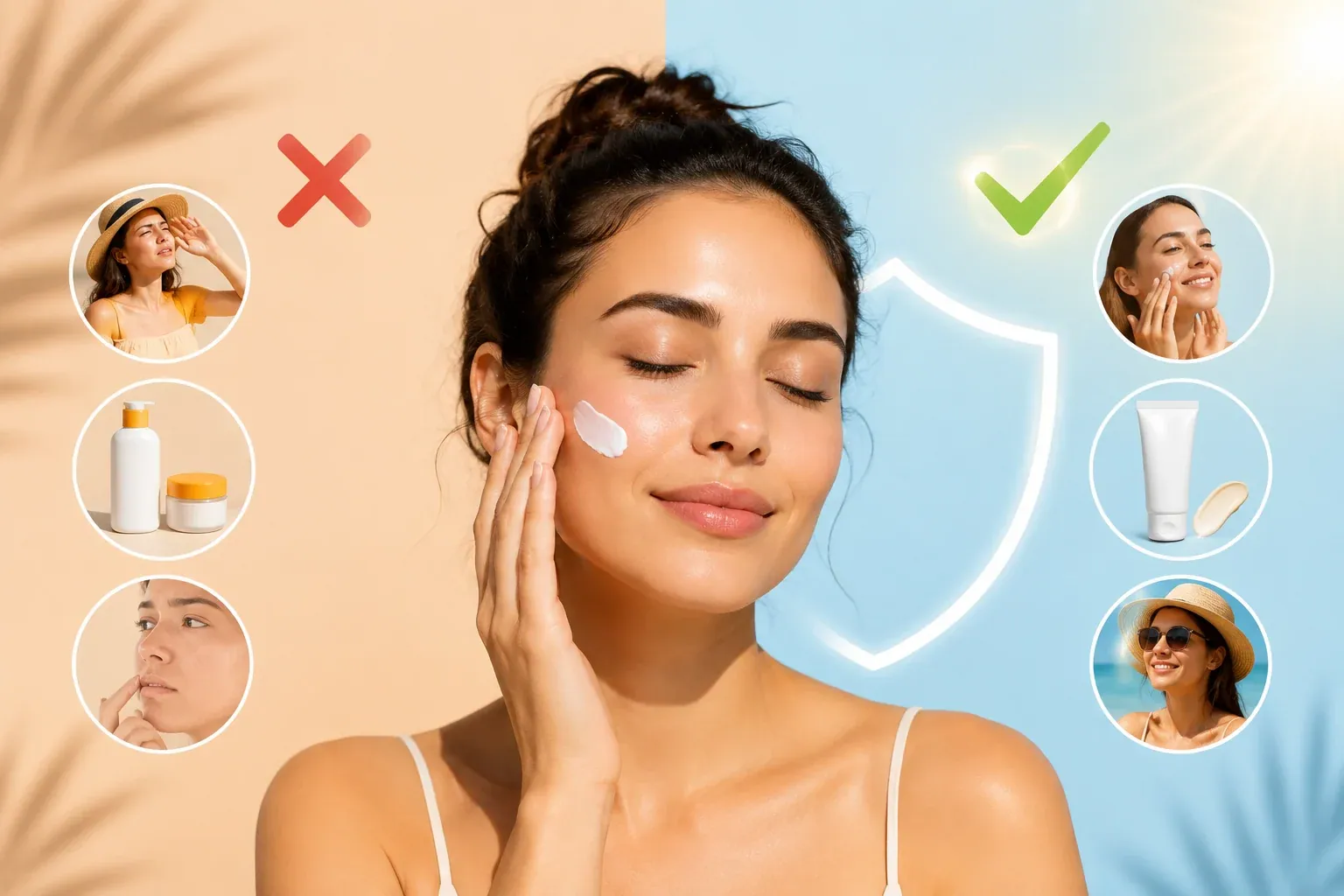
- Broad-spectrum sunscreen: generous amounts, reapplied if you are outdoors. This is the step that protects your progress.
Evening
- Double cleanse if you wear sunscreen or make-up: an oil or balm cleanser, then your gentle wash. This removes sunscreen and pollution well.
- Treatment step: a niacinamide serum for oil and tone, or a mild exfoliating acid two or three nights a week, not every night.
- Moisturiser to seal in hydration.
Introduce one new product at a time and give it a few weeks. If your skin stings, peels or breaks out, step back. Irritation is the fastest way to lose the glow you are building.
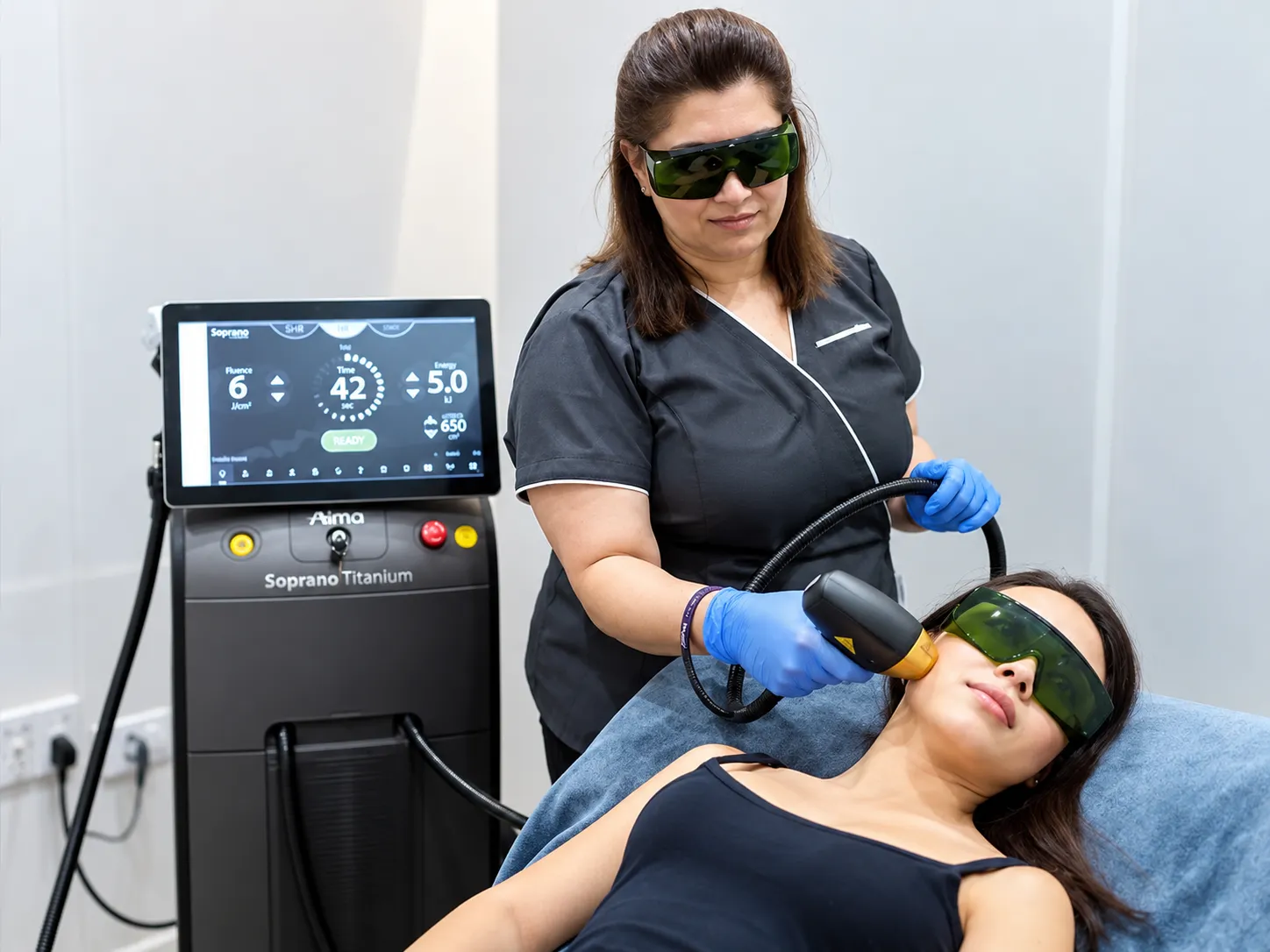
Which clinic treatments help with glass skin?
Clinic treatments add what home care cannot do as easily: deeper cleansing, controlled exfoliation and stronger hydration. Here is how the common options compare.
| Treatment | What it does | Often suits | How long the effect lasts |
|---|---|---|---|
| Glass Skin Facial | Multi-step, hands-on cleanse, gentle exfoliation, hydrating serums and mask | Dull, dehydrated skin; before events | A fresh, dewy look for days; builds with monthly sessions |
| HydraFacial | Device-based cleansing, extraction and serum infusion | Congested or oily skin wanting a deep clean | Days to a couple of weeks |
| Chemical peels | Controlled exfoliation for texture and tone | Rough texture, mild pigmentation, mild acne | Builds over a course of sessions |
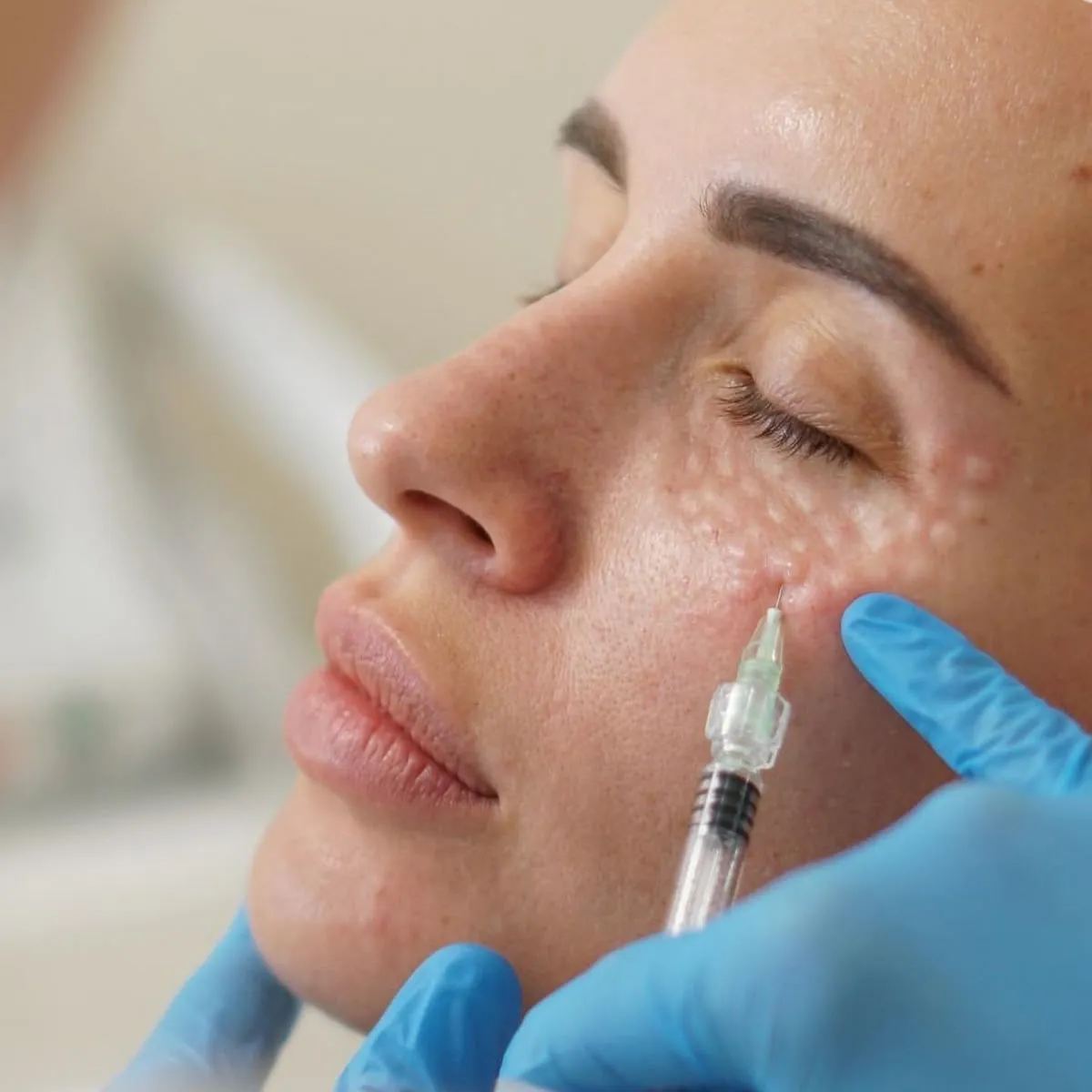
| Profhilo | Injectable skin booster for deeper hydration | Dehydrated or thinning skin that does not respond to facials | Longer-lasting, after a short course |
A HydraFacial may suit you better if congestion and blackheads are your main concern. If your skin stays dry and dull despite good care, an injectable booster like Profhilo works on hydration from within, and the doctor will explain its risks and suitability first.
How long does a glass skin facial last?
One facial gives a fresh, dewy look that usually lasts a few days. It is not a permanent change. People who want a steadier effect often have a facial once a month, alongside their home routine. Before a wedding or event, plan the facial a few days ahead, not on the day, so any slight pinkness from extraction can settle.
Glass skin with oily or acne-prone skin
This is very common in Delhi, especially in the humid months. The key points:
- Choose light, gel-based hydration rather than heavy creams and oils.
- Use niacinamide or salicylic acid to manage oil, rather than drying scrubs.
- Do not skip moisturiser; dehydrated oily skin often makes more oil.
- Treat active acne first. A glow-focused facial does not replace medical acne care.
Our page on open pores and oily skin covers the treatments that target these concerns more directly.
Who should wait before a glass skin facial?
A facial is gentle, but it should still wait if you have:
- An active acne flare or skin infection on the face
- Active cold sores
- A recent chemical peel, laser treatment or isotretinoin use
- An eczema or rosacea flare, sunburn or very irritated skin
- A known allergy to skincare ingredients: tell the team first
After a facial, mild pinkness for a few hours is normal. Contact the clinic if you get a rash, swelling, itching, burning that does not settle, or painful spots.
What glass skin will not fix
A glow routine and facials make skin look healthier, but they have limits. They do not shrink large pores permanently, clear deep pigmentation such as melasma, or treat pitted acne scars. Those need targeted treatments such as peels, laser toning or resurfacing, chosen after a doctor's assessment. Knowing this up front helps you spend time and money where it will help.
Frequently asked questions
How long does it take to get glass skin?
With a gentle, consistent routine and daily sunscreen, many people notice softer, more hydrated skin within a few weeks. A more even tone takes longer, often a few months, because skin renews itself slowly. Facials can speed up the fresh look for events, but the lasting change comes from what you do every day.
Do I need Korean products to get glass skin?
No. What matters is the type of product, not where it is made: a gentle cleanser, a hydrating serum, a suitable moisturiser and a sunscreen you will actually wear daily. Choose textures that suit your skin and the season, and avoid buying many products at once.
Can glass skin routines cause breakouts?
They can if you layer too many heavy products, especially on oily or acne-prone skin in humid weather. Keep the routine short, use light textures and add one product at a time so you can tell what disagrees with your skin. If breakouts continue, see a doctor rather than adding more products.
Is a glass skin facial the same as a HydraFacial?
Both aim to cleanse and hydrate. A HydraFacial uses a dedicated device for cleansing, extraction and serum infusion. The Glass Skin Facial is a multi-step, hands-on facial adjusted to your skin type. Your doctor can suggest which suits you, or combine them in a plan.
Does glass skin mean no pores?
No. Everyone has pores, and you need them. Good cleansing, hydration and oil control can make pores look less obvious, and filters do the rest in photos. Aim for skin that feels comfortable and looks rested and even, rather than a poreless finish.
Should I exfoliate every day for glass skin?
No. Daily exfoliation usually damages the skin barrier, which leads to redness, sensitivity and, on Indian skin, dark patches. Two or three nights a week with a mild product is enough for most people. Clinic exfoliation, such as a peel, should be planned so it does not overlap with strong home acids.
If you would like a plan for healthy, dewy skin that works with Delhi's seasons, book a free consultation at any of our four clinics in Vasant Vihar, Gurugram, Pitampura or Civil Lines. A doctor will look at your skin and routine, and tell you honestly whether the Glass Skin Facial or another option fits you better.