





Hair fall & thinning hair
Find the cause first — then treat it with a clear plan.
Understanding hair fall & thinning
It is normal to lose some hair every day as part of the hair growth cycle. Hair fall becomes a concern when you notice clumps in the shower, more hair on your pillow, a widening parting, a receding hairline or a thinner ponytail. Both men and women are affected, and it can be distressing. Many people notice it first in photos, under bright bathroom lights or when a hairstylist mentions it.
Hair loss has many possible causes: genetics, hormonal changes, thyroid problems, low iron or vitamin levels, PCOS, stress, illness, crash dieting, childbirth and certain medicines. Hard water, pollution and heat styling can damage the hair shaft and add to breakage. Often more than one factor is involved, which is why guessing and trying products at random rarely works, and why a proper diagnosis comes first.
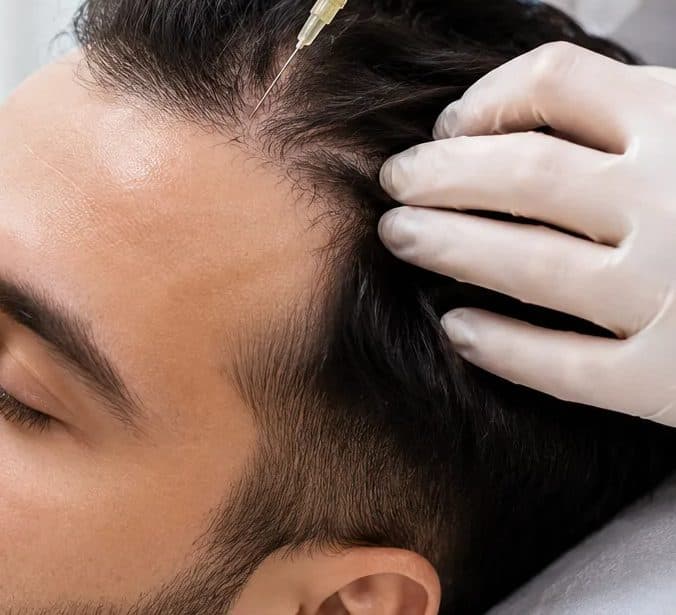
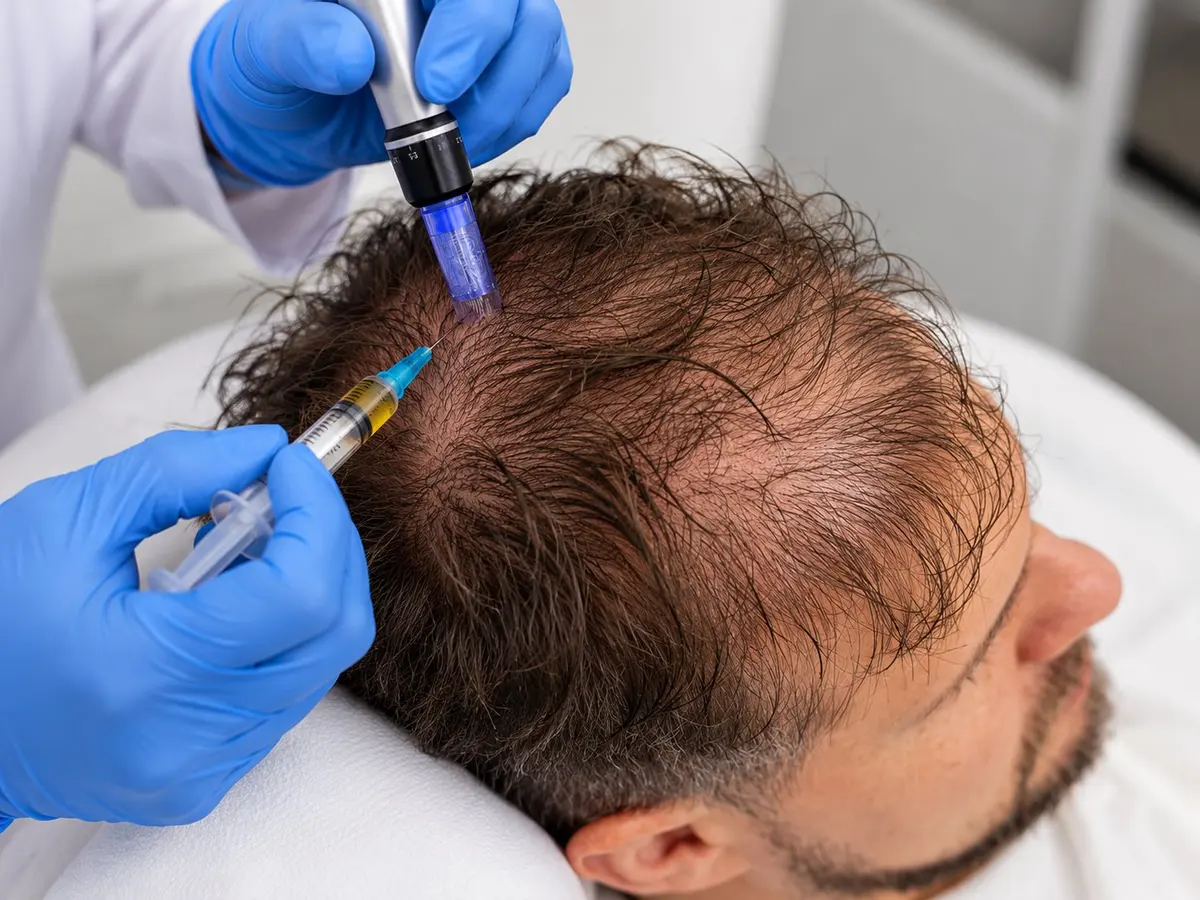
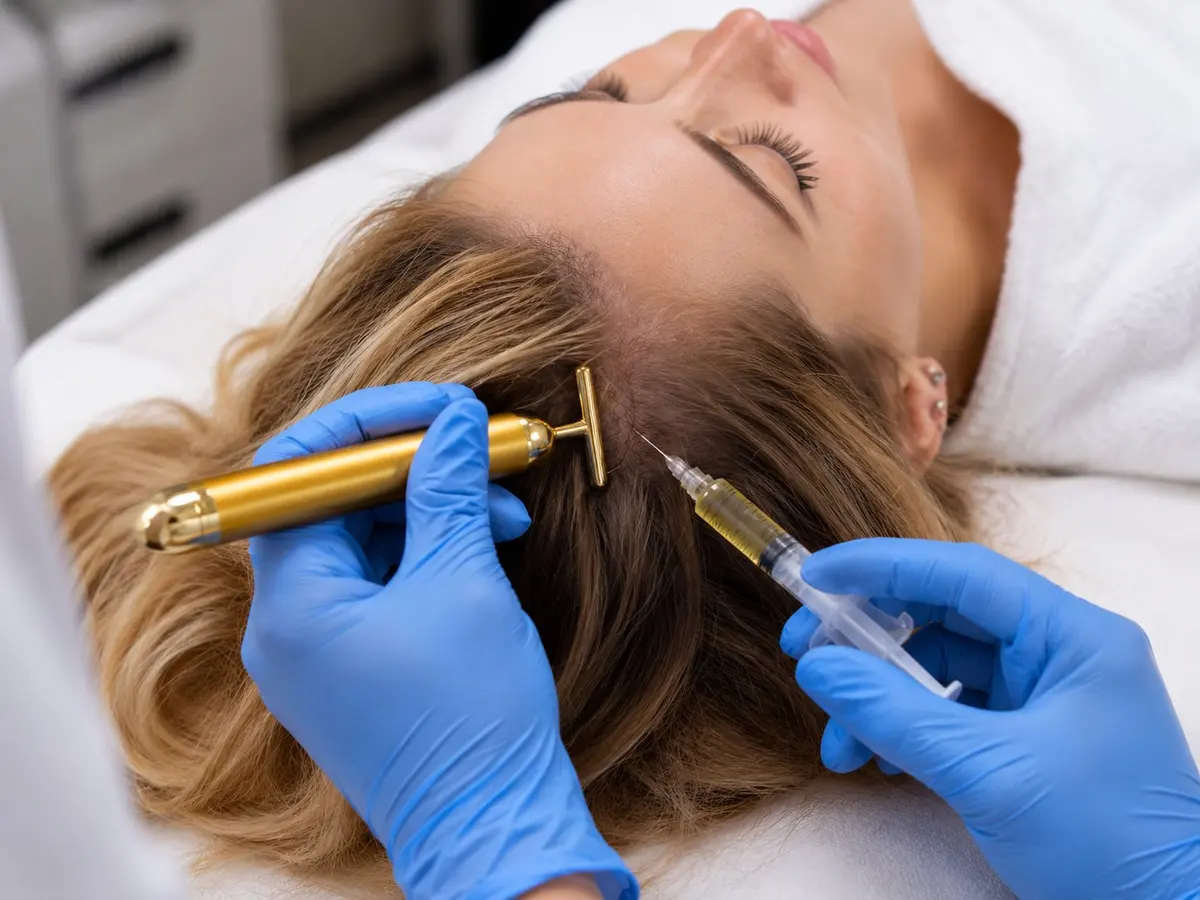
At Paradise Wellness, every hair plan begins with a consultation and scalp examination. Our doctor may recommend blood tests to look for issues such as thyroid imbalance or low iron. Treatment then combines medical care where needed with in-clinic therapies such as GFC, PRP or peptide treatments. Hair grows slowly, so results take months, and they vary from person to person.
Types of hair fall & thinning
Pattern hair loss
Gradual thinning at the hairline and crown in men, or across the parting in women. The most common type, and responds best to early treatment.
Telogen effluvium
Sudden, diffuse shedding a few months after a trigger such as illness, childbirth or stress. Often improves once the cause is addressed.
Alopecia areata
Round, smooth bald patches caused by the immune system. This needs medical diagnosis and treatment.
Traction alopecia
Thinning at the hairline or temples from tight hairstyles, buns or extensions. Early change in styling can help.
Treatments that can help
Your doctor recommends the right one — or a combination — after assessing your skin.
What a plan usually looks like
- Consultation & scalp examinationA doctor takes a detailed history, examines your scalp and hair, and identifies the likely type of hair loss.
- Tests if neededThe doctor may recommend blood tests such as thyroid, iron and vitamin levels, or hormonal tests if PCOS is suspected.
- Treat the causeAny medical issue is addressed first or alongside, with prescription treatments where your doctor thinks they are appropriate.
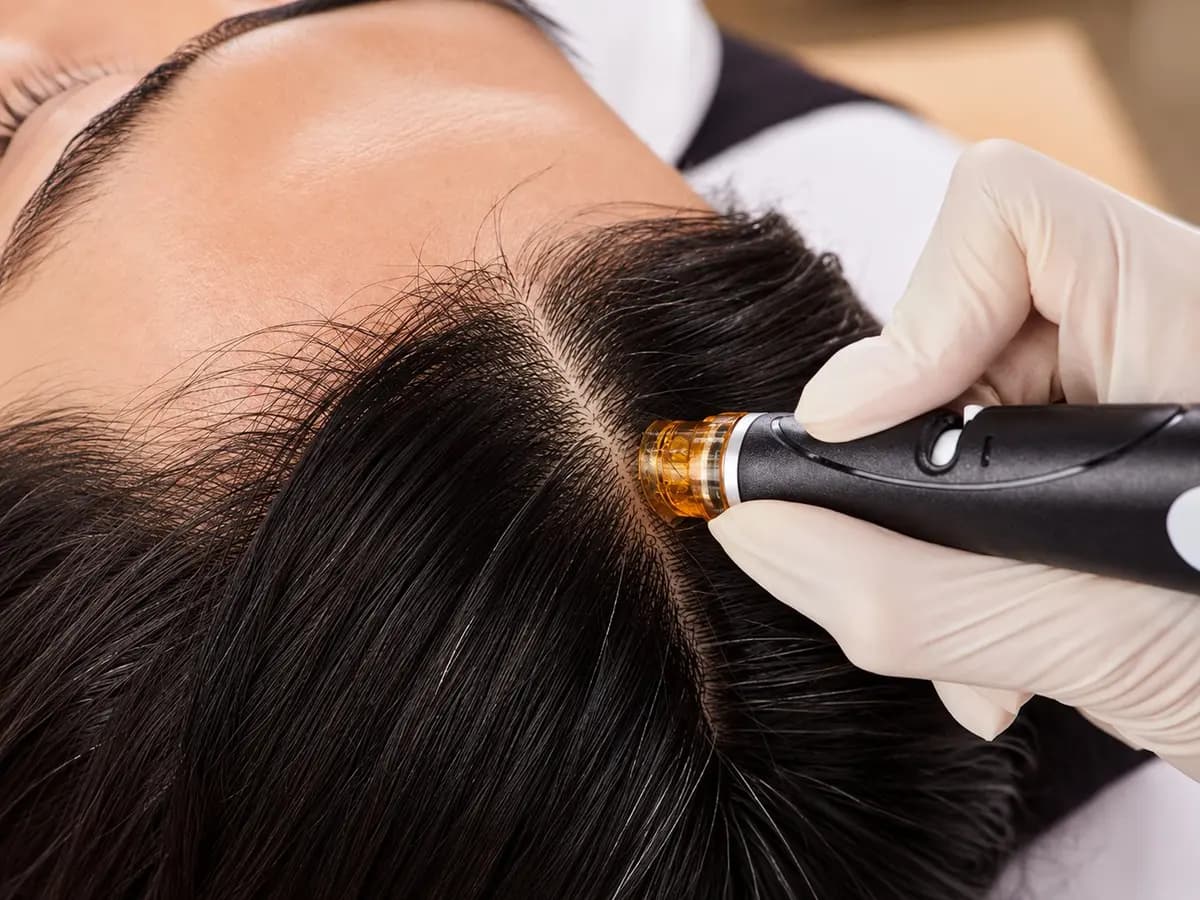
- In-clinic courseGFC, PRP, QR678 or mesotherapy sessions are usually spaced about four weeks apart, with progress photos.
- Review and maintainHair fall often slows within the first two months and fullness improves from around three months; top-ups help maintain results.
Typical experience — plans and results vary from person to person.
Helpful at home
- Eat enough protein and a varied diet; avoid crash dieting.
- Use a gentle shampoo and wash as often as your scalp needs — regular washing does not cause hair loss.
- Limit heat styling, and avoid tight ponytails, buns and harsh chemical treatments.
- Be gentle with wet hair; use a wide-tooth comb and pat hair dry.
- Manage stress and sleep, which both affect the hair cycle.
- Do not start supplements or hair-loss medicines without advice — a doctor should check what you actually need.
See a doctor promptly if
- Sudden, patchy hair loss or round bald patches
- Hair loss with a red, scaly, itchy or painful scalp
- Heavy shedding with tiredness, weight change or feeling cold
- Hair loss with irregular periods, acne or excess facial hair
- Hair loss in a child
Get an honest plan for hair fall & thinning
Free consultation in clinic, or start with a video or phone call. Walk-ins are welcome at all our clinics.
Hair fall & thinning FAQs
How much hair fall is normal?
Losing some hair every day is a normal part of the growth cycle, and more shedding in certain seasons is common. It is worth seeing a doctor if you notice clumps of hair coming out, a widening parting, visible scalp, a receding hairline or bald patches, or if shedding continues for more than a few months.
Which blood tests are needed for hair fall?
It depends on your history and examination. Doctors commonly check thyroid function, iron stores, haemoglobin and vitamin levels, and may suggest hormonal tests if PCOS is suspected. Your doctor at Paradise Wellness will recommend only the tests that are relevant to you.
Does GFC or PRP really work for hair?
GFC and PRP can help reduce hair fall and improve the thickness of existing hair, particularly in early pattern hair loss and diffuse thinning. They work best when the underlying cause is also addressed. Many people notice hair fall slowing within the first couple of months, though results vary.
Can hair grow back after thinning?
It depends on the cause. Shedding after illness, stress or childbirth often recovers once the trigger has passed. In pattern hair loss, early treatment can help slow thinning and improve density, but follicles that have been inactive for a long time are harder to revive. Starting early gives the best chance.
Does hard water cause hair fall?
Hard water can leave mineral build-up that makes hair feel dry, dull and prone to breakage, which can look like more hair fall. It is not usually the root cause of thinning. If you are losing a lot of hair, a doctor should look for other causes.
How long before I see results from hair treatment?
Hair grows slowly, so results take time. Hair fall often begins to slow within one to two months, and fuller-looking hair usually appears from around three to four months. Most plans are reviewed with progress photos after a few sessions.