



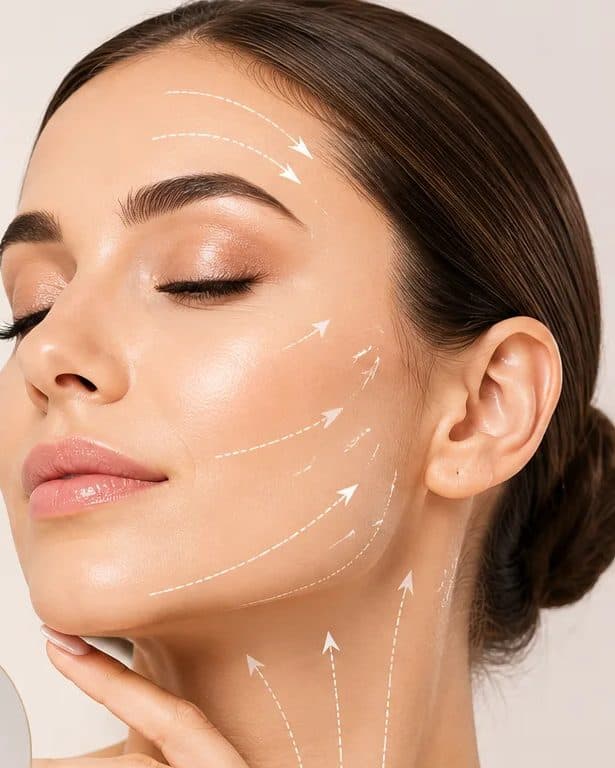
Fine lines & wrinkles
Soften lines naturally — so you look rested, not changed.
Understanding fine lines & wrinkles
Fine lines and wrinkles are a natural part of ageing. From our mid-twenties, the skin gradually makes less collagen and elastin, the proteins that keep it firm and springy. Repeated facial expressions — frowning, smiling, raising the brows — fold the skin in the same places, and over time those folds become lines that stay even when the face is at rest.
Sun exposure is the biggest outside factor in how quickly skin ages. In Delhi’s strong sun, unprotected skin can develop lines, rough texture and uneven tone earlier. Pollution, smoking, poor sleep and dehydration add to the effect. Indian skin often shows ageing a little later than lighter skin, but tends to show it through pigmentation and loss of firmness as well as lines.
Treatment depends on the type of line. Lines caused by movement respond well to muscle-relaxing injections, while lines caused by thinning skin respond better to skin boosters and collagen-building treatments. At Paradise Wellness, our doctors assess your face in motion and at rest and aim for natural results that keep your expressions — you should look rested and refreshed, not different. Results vary from person to person.
Types of fine lines & wrinkles
Dynamic lines
Lines that appear with movement, such as frown lines and crow’s feet. These often respond well to anti-wrinkle injections.
Static lines
Lines that are visible even at rest, caused by thinning skin and collagen loss. These usually need collagen-building treatments or skin boosters.
Crepey skin
Fine, thin, crinkled texture, often under the eyes or on the neck, linked to dehydration and loss of elasticity.
Treatments that can help
Your doctor recommends the right one — or a combination — after assessing your skin.
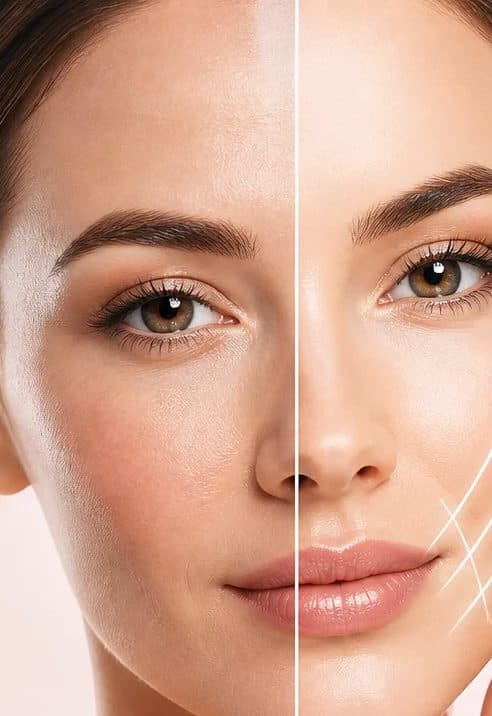
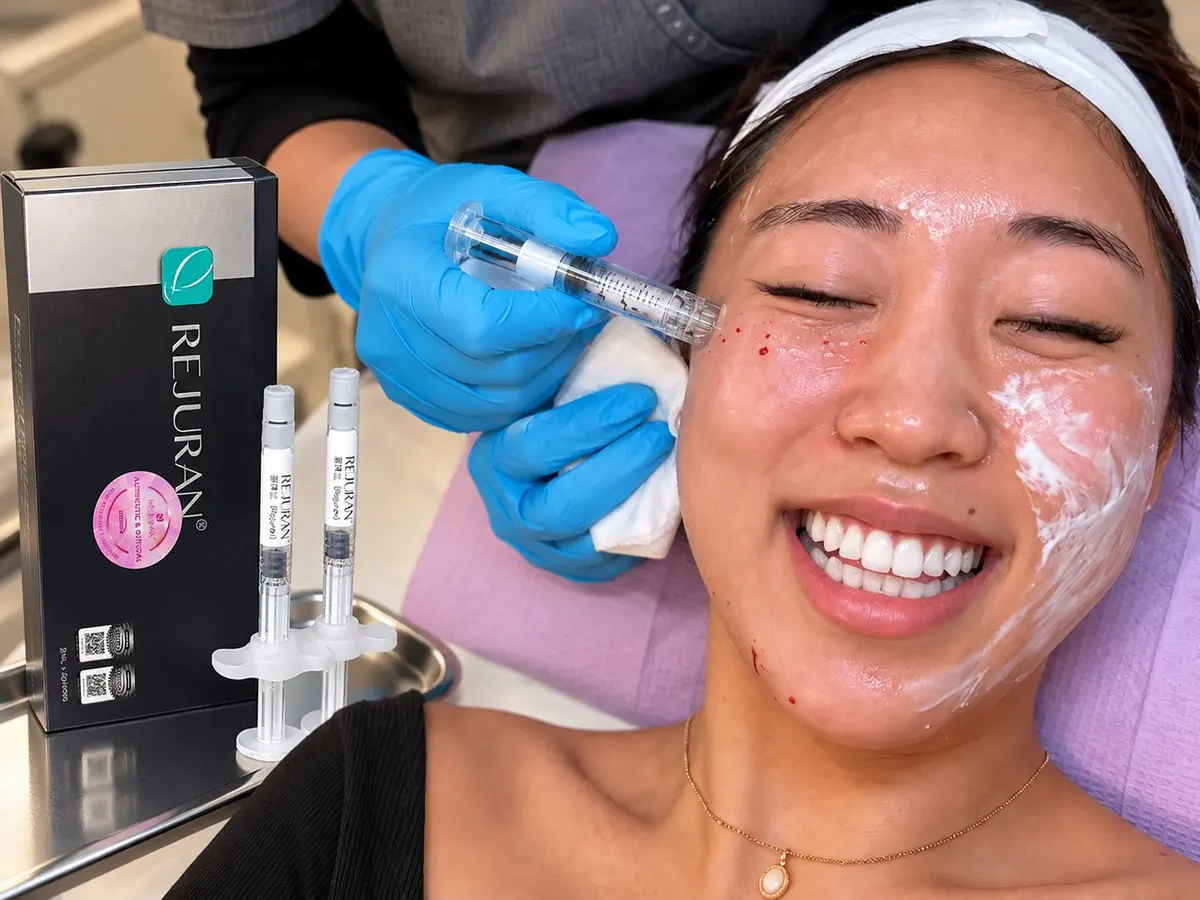
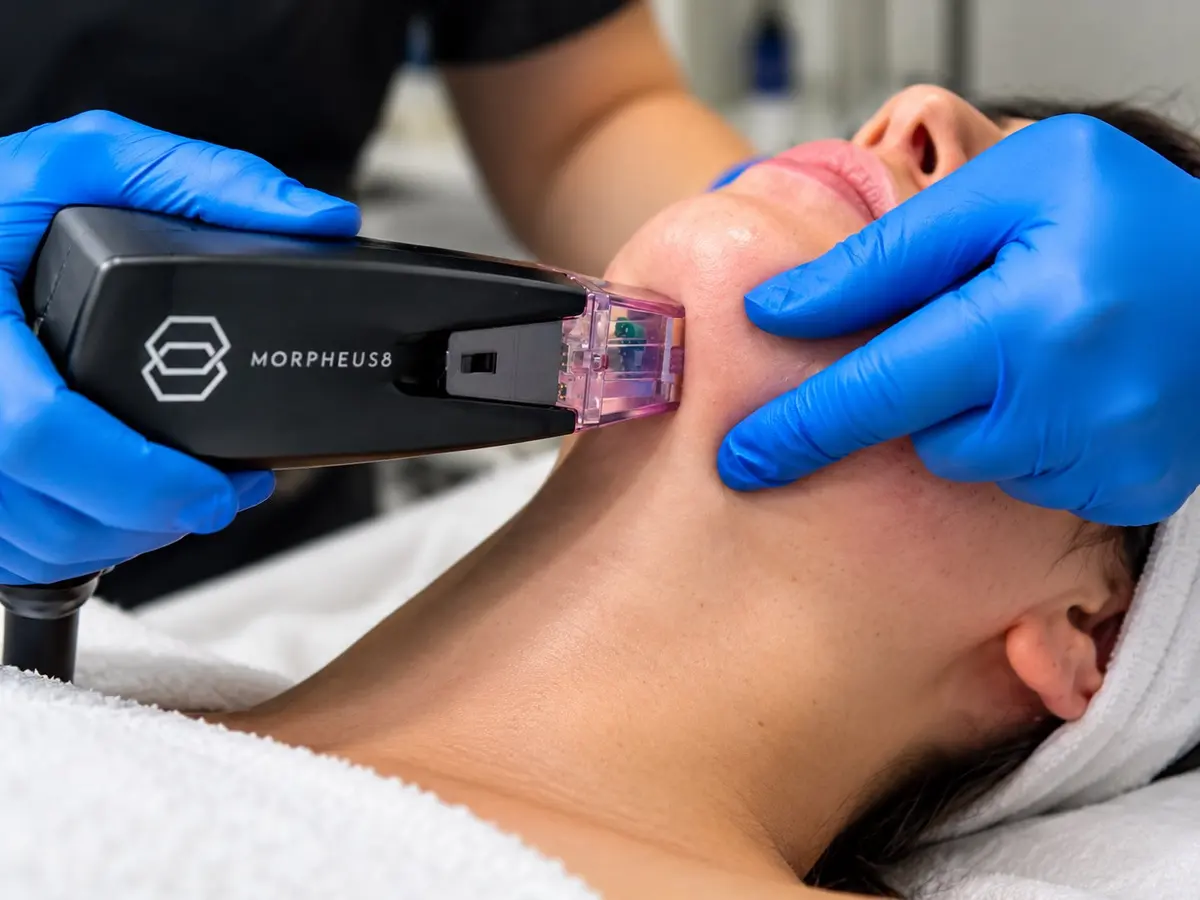
What a plan usually looks like
- Consultation & facial assessmentA doctor studies your face at rest and in motion, checks skin quality and discusses what you would like to change.
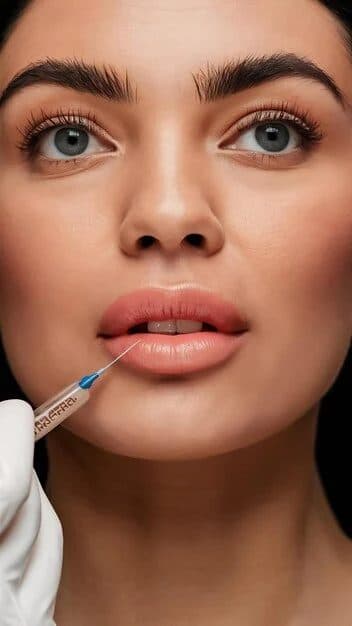
- Treat movement linesWhere lines are caused by muscle movement, anti-wrinkle injections may be used, with a review at about two weeks.
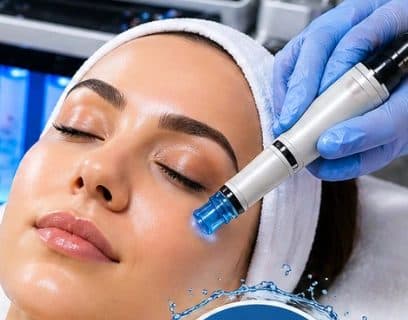
- Improve skin qualitySkin boosters, PRP or RF microneedling are scheduled to rebuild hydration and collagen over a few months.
- Protect and maintainDaily sunscreen and a simple routine protect your results, with maintenance sessions every few months.
Typical experience — plans and results vary from person to person.
Helpful at home
- Use a broad-spectrum sunscreen every day — it is the single most effective anti-ageing step.
- Wear sunglasses outdoors to reduce squinting and protect the eye area.
- Moisturise morning and night, including the neck and under the eyes.
- Ask your doctor about introducing a retinoid at night, starting slowly to avoid irritation.
- Sleep on your back if you can, and use a soft pillowcase to reduce creasing.
- Avoid smoking and keep alcohol moderate, as both speed up skin ageing.
See a doctor promptly if
- A new or changing spot, mole or rough patch on sun-exposed skin
- A sore on the face that does not heal within a few weeks
- Sudden drooping of one side of the face — seek urgent medical care
- Any swelling, lumps or discolouration after an injectable done elsewhere
Get an honest plan for fine lines & wrinkles
Free consultation in clinic, or start with a video or phone call. Walk-ins are welcome at all our clinics.
Fine lines & wrinkles FAQs
At what age should I start anti-ageing treatments?
There is no fixed age. Daily sunscreen and a good routine are worth starting in your twenties. Many people consider treatments such as skin boosters or anti-wrinkle injections in their late twenties or thirties, when lines start to stay at rest. A doctor can advise whether a treatment would genuinely help you, or whether good home care is enough for now.
Will Botox make me look frozen?
Not when it is dosed carefully by an experienced doctor. The aim is to soften lines while keeping natural movement. Our doctors assess your expressions first and review you at about two weeks, when small adjustments can be made if needed. The effect usually lasts about three to four months.
What is the difference between Botox and fillers?
Botox relaxes the muscles that cause expression lines, such as forehead and frown lines. Fillers are gels, usually hyaluronic acid, that restore lost volume and soften deeper folds such as smile lines. They treat different causes and are sometimes used together. Your doctor will explain which suits your concern.
Can I treat fine lines without injections?
Yes. RF microneedling, microneedling, peels and PRP applied during microneedling can improve skin quality and fine lines by building collagen. Good sun protection and a doctor-recommended retinoid also help. Results are usually more gradual than with injectables.
How long do skin boosters last?
Profhilo is usually given as two sessions four weeks apart, and results typically last around six months, after which a maintenance session can be booked. Other boosters follow different schedules. Your doctor will recommend the right plan for your skin.