





Acne scar treatment
Smoother skin is possible — with the right treatment for your scar type.
Understanding acne scars
Acne scars form when deep or inflamed pimples damage the collagen that supports the skin. As the skin heals, it may make too little collagen, leaving pits and dents, or occasionally too much, leaving raised scars. Scars are different from the flat brown or red marks that pimples often leave behind — those marks are pigment, not true scars, and usually fade more easily.
Most acne scars do not disappear on their own, but modern treatments can make them much softer and less noticeable. The best results usually come from combining treatments over several months, because different scar types respond to different techniques. For darker Indian skin, the choice of treatment and settings matters, as some aggressive treatments can leave temporary darkening if not planned carefully.
At Paradise Wellness, a doctor first maps your scars and checks whether any active acne needs to be controlled — treating scars while breakouts continue simply creates new ones. Your plan is then built around your scar types, skin tone and how much downtime you can manage. Results vary, and improvement continues for months after a course, as new collagen keeps forming long after the last session.
Types of acne scars
Ice pick scars
Narrow, deep pits that look like punctures. They are hard to fill and often need targeted treatment.
Boxcar scars
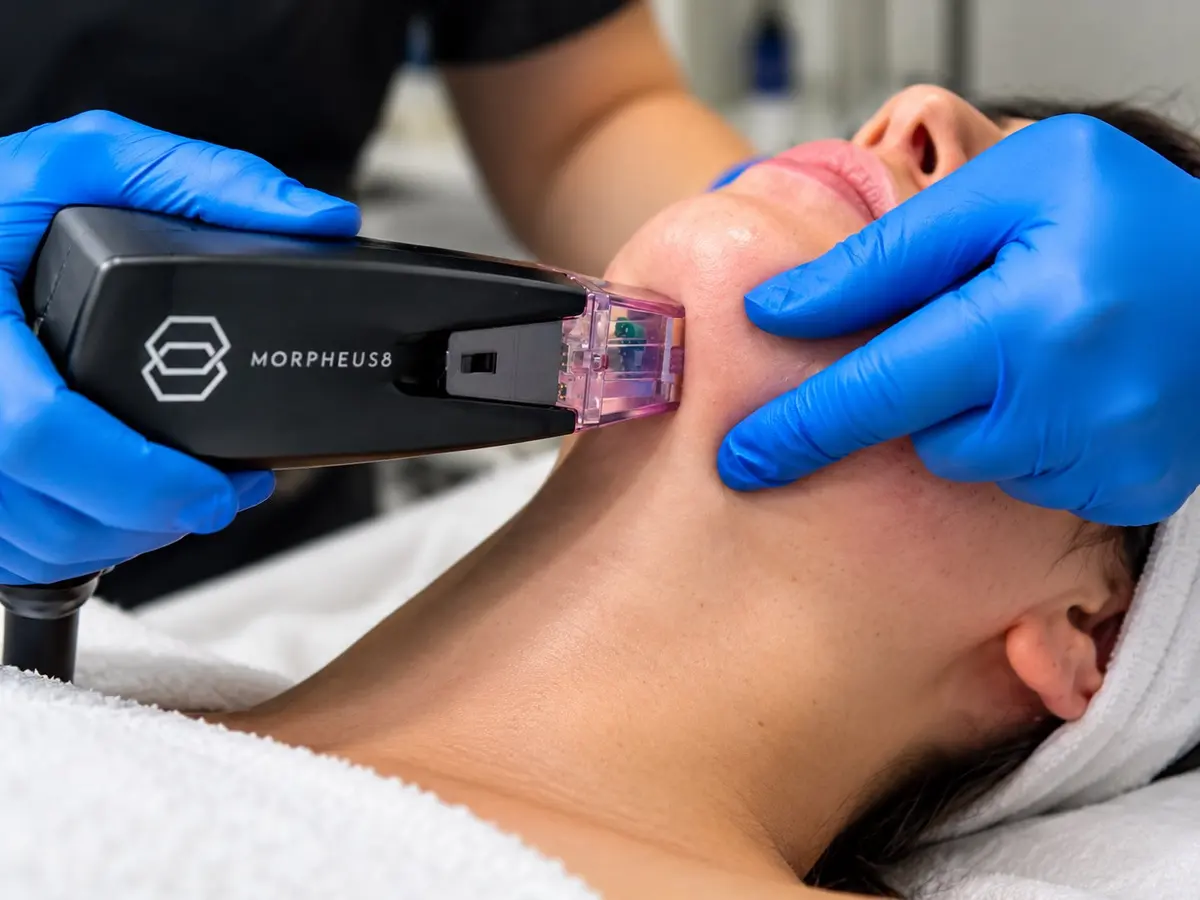
Round or oval depressions with sharp edges, often on the cheeks and temples. They respond well to resurfacing and RF microneedling.
Rolling scars
Broad, shallow dips that give the skin a wavy look, caused by bands pulling the skin down from below.
Raised scars
Hypertrophic or keloid scars that sit above the skin, more common on the jawline, chest and back. These need a different medical approach.
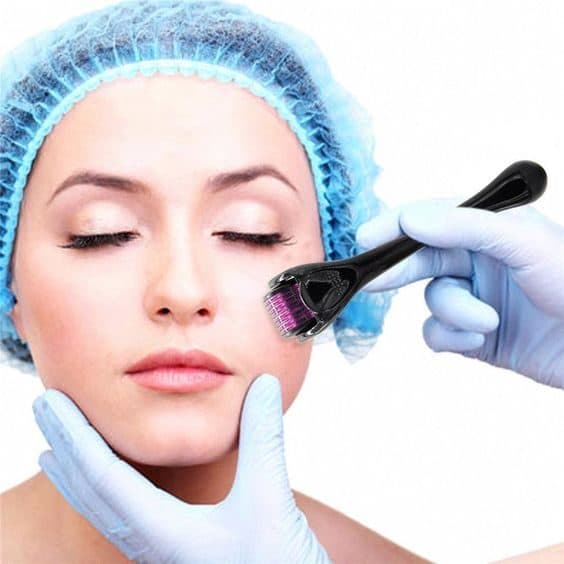
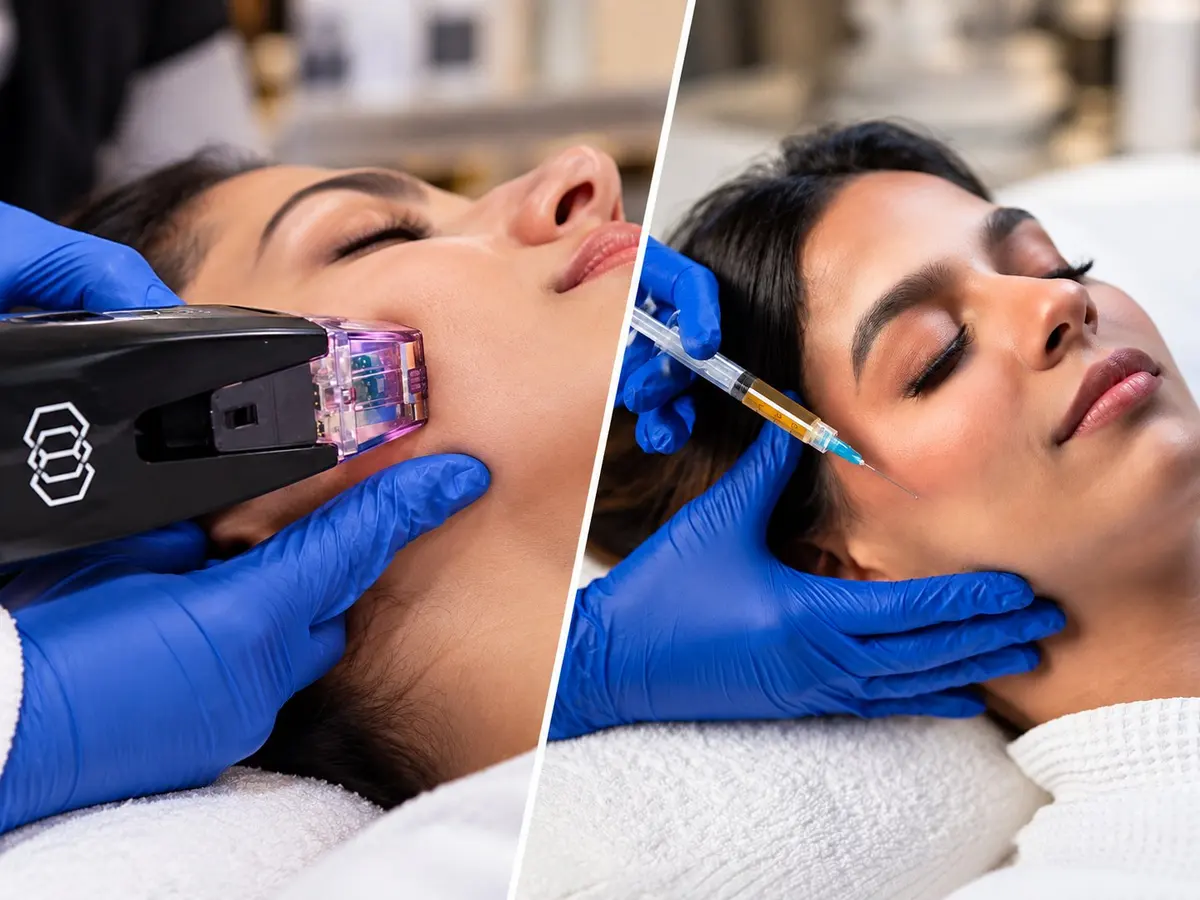
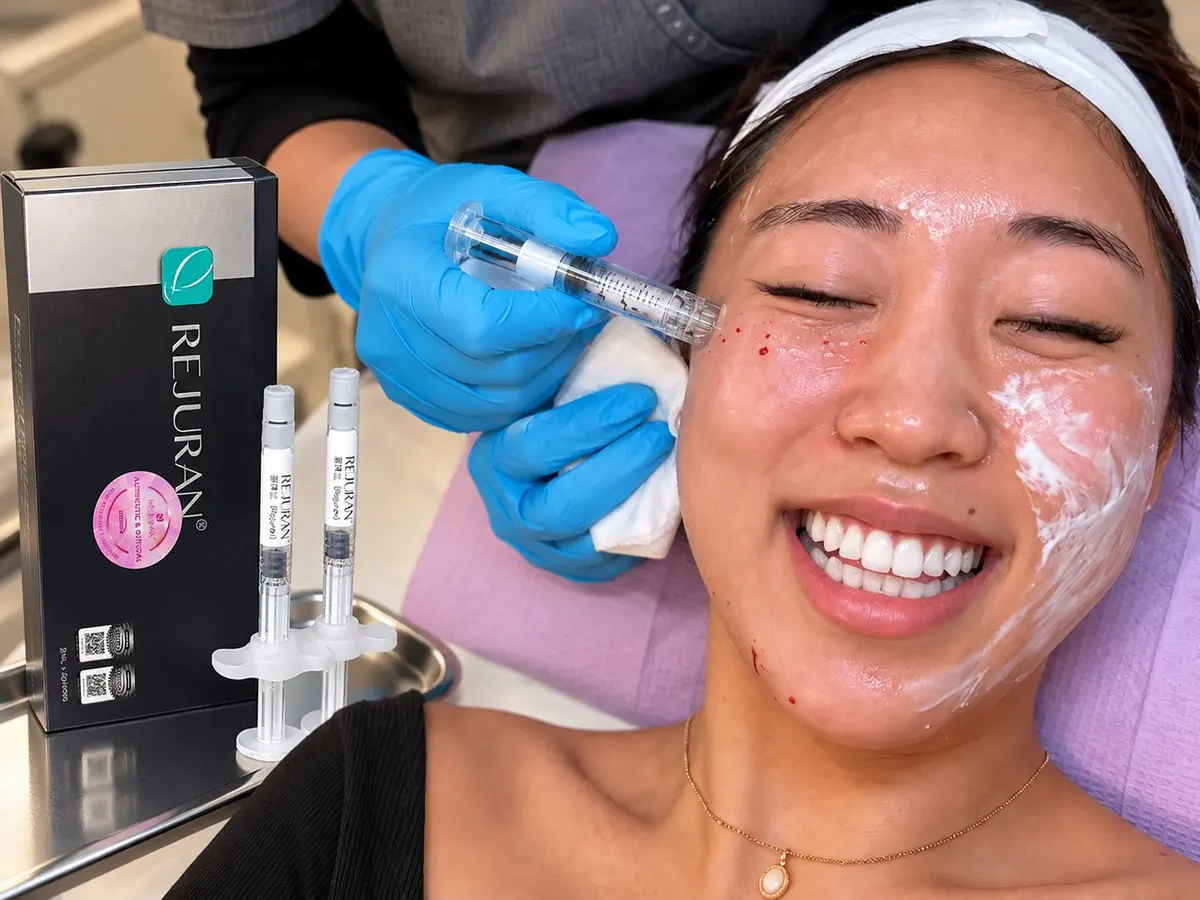
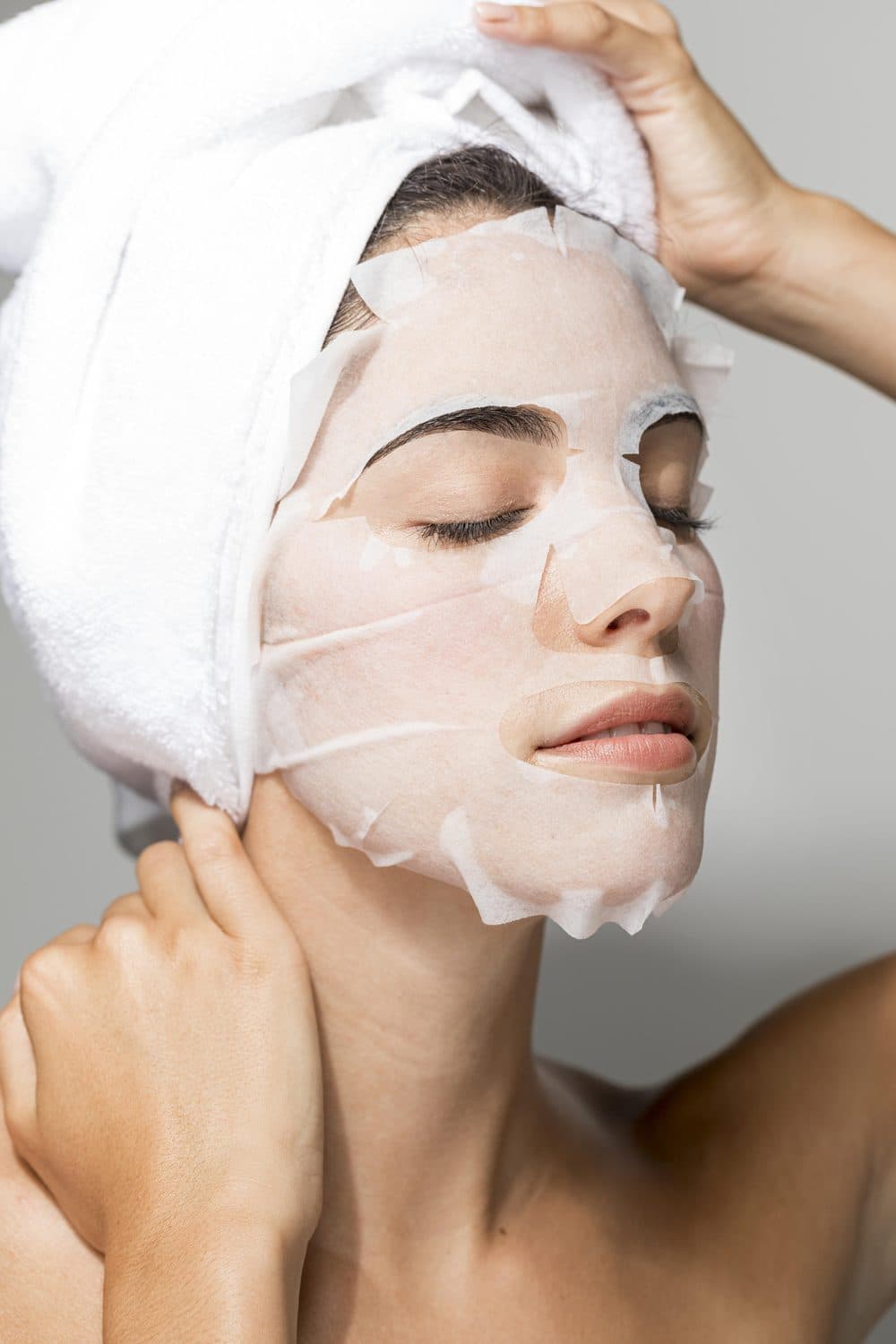
Treatments that can help
Your doctor recommends the right one — or a combination — after assessing your skin.
What a plan usually looks like
- Consultation & scar mappingA doctor examines your scars in different lighting, identifies each type and checks for active acne.
- Control active acneIf breakouts are still happening, they are treated first so new scars do not form during the course.
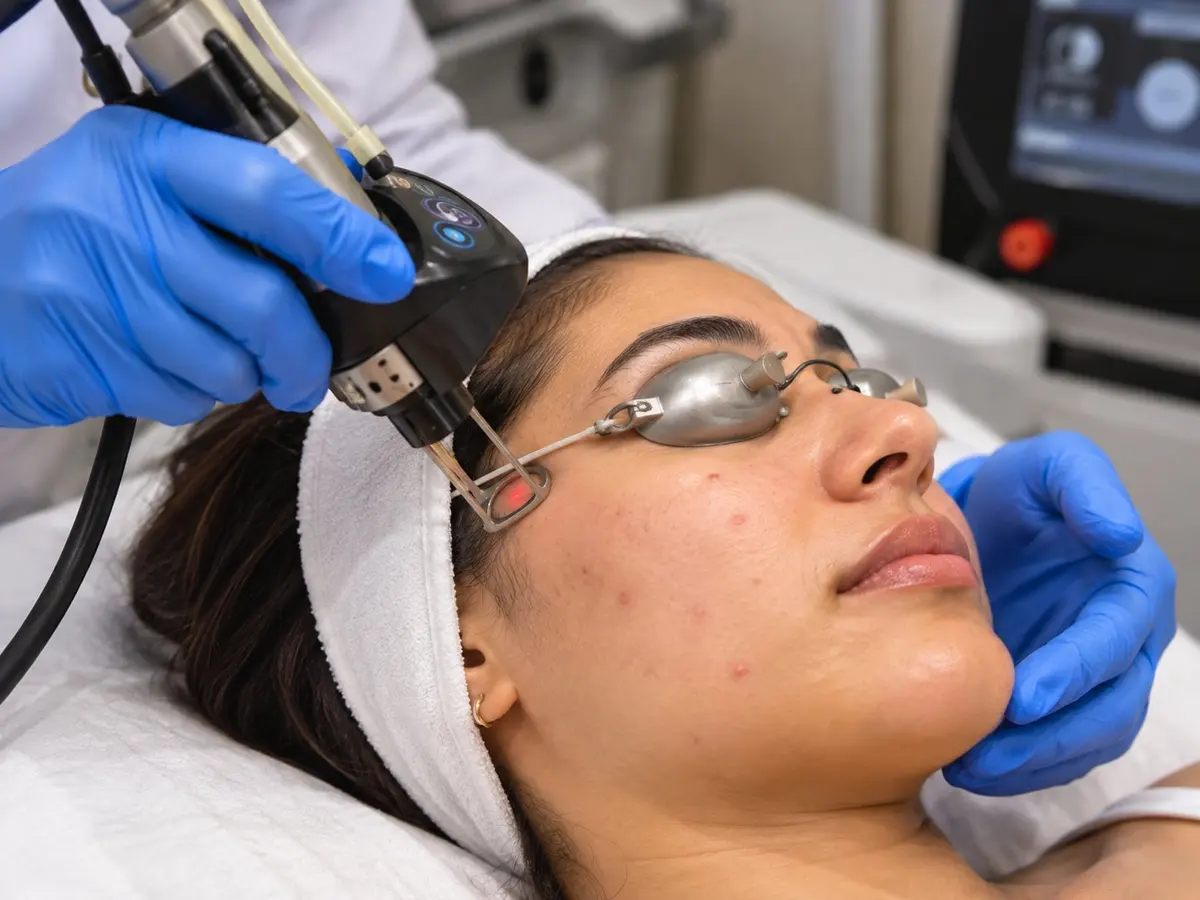
- Course of treatmentSessions of RF microneedling, laser or microneedling are usually spaced about four to six weeks apart, often combined with PRP or peels.
- Aftercare and sun protectionCareful aftercare and daily sunscreen reduce the risk of darkening after treatment, which matters for Indian skin.
- Review at three to six monthsCollagen keeps building after the last session, so your doctor reviews the result and advises on further sessions if helpful.
Typical experience — plans and results vary from person to person.
Helpful at home
- Keep your hands off active pimples — picking is one of the main causes of new scars.
- Use sunscreen every day; sun exposure darkens scars and marks and makes texture look more obvious.
- Follow post-treatment instructions exactly, especially after lasers and microneedling.
- Use a gentle cleanser and moisturiser while your skin heals between sessions.
- Avoid scrubs and harsh at-home peels in the weeks around your clinic treatments.
- Be patient: collagen takes months to rebuild, so judge results against your before photos.
See a doctor promptly if
- Painful, deep cysts or nodules that are still forming — these can scar quickly
- Scars that are raised, growing, itchy or painful
- Scars that keep appearing despite over-the-counter acne products
- Dark patches or blisters after a treatment elsewhere
Get an honest plan for acne scars
Free consultation in clinic, or start with a video or phone call. Walk-ins are welcome at all our clinics.
Acne scars FAQs
Can acne scars be removed completely?
Most acne scars can be improved considerably, but it is rare for deep scars to disappear completely. The aim is smoother skin in which scars are much less noticeable. Many clients see a clear improvement after a course of treatments, and results continue to build for several months as new collagen forms. Your doctor will set realistic expectations at consultation.
Which is the best treatment for acne scars on Indian skin?
There is no single best treatment, because each scar type responds differently. RF microneedling is often a good choice for Indian skin because most of the energy is delivered below the surface. Fractional CO₂ laser can give strong results but needs careful settings and aftercare. Many plans combine two or three treatments.
How many sessions will I need for acne scars?
Most people need three to six sessions, spaced about four to six weeks apart, depending on the treatment and how deep the scars are. Improvement continues for three to six months after the final session. Your doctor will suggest a plan after examining your scars.
Can I treat acne scars while I still have pimples?
Active acne is usually treated first. Some scar treatments are not suitable over active breakouts, and new pimples can create fresh scars during the course. Once breakouts are under control, scar treatment can begin — sometimes both are managed side by side under a doctor’s supervision.
What is the difference between acne marks and acne scars?
Acne marks are flat red or brown spots left after a pimple heals — they are a colour change, not a change in the skin’s surface. Scars change the texture, leaving dents or raised areas. Marks often fade with sun protection, peels or laser toning, while scars need collagen-building treatments.
How much downtime is there after acne scar treatment?
It depends on the treatment. RF microneedling usually means one to three days of redness, while fractional CO₂ laser typically involves four to six days of redness and flaking. Your doctor can plan sessions around work or events.