



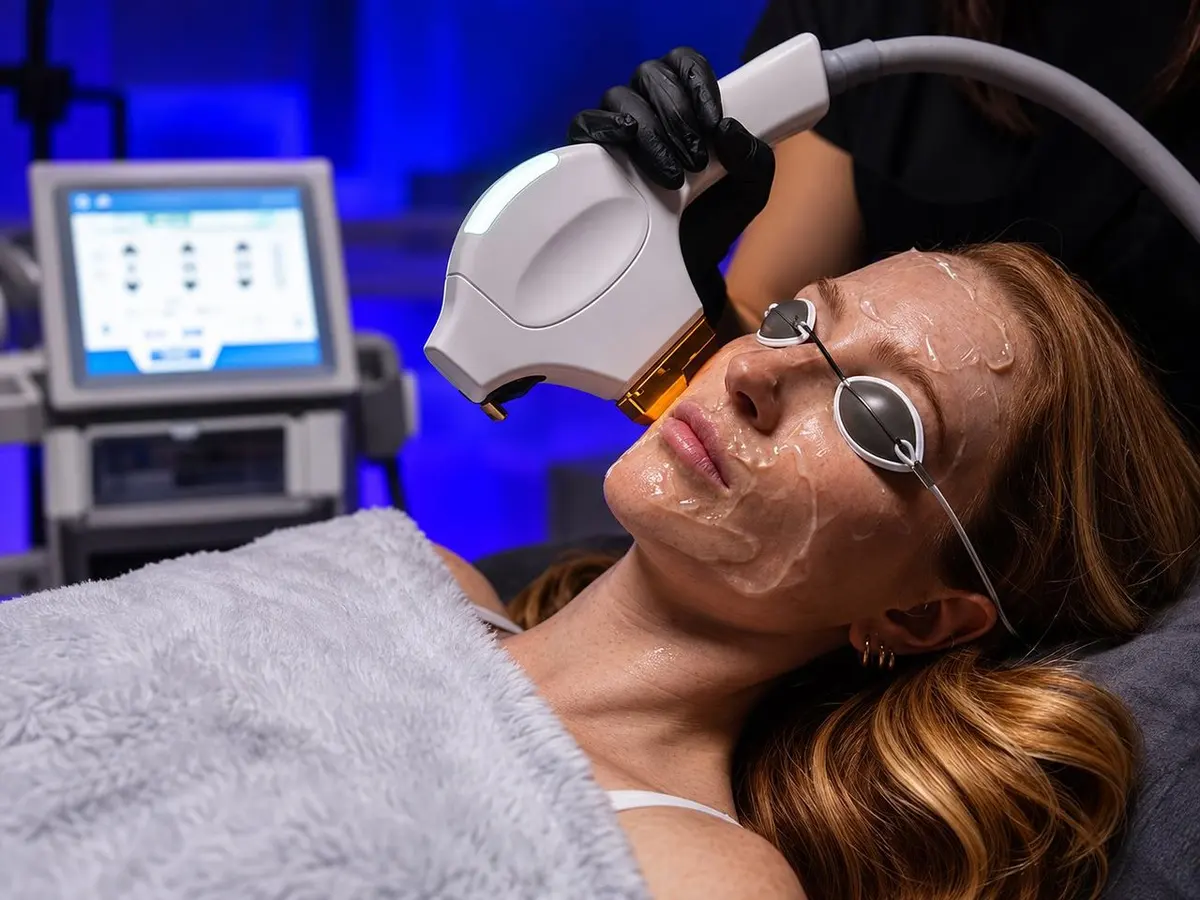
Sun damage & uneven tone
Fade tan and sun spots, and bring back an even, bright complexion.
Understanding sun damage & uneven tone
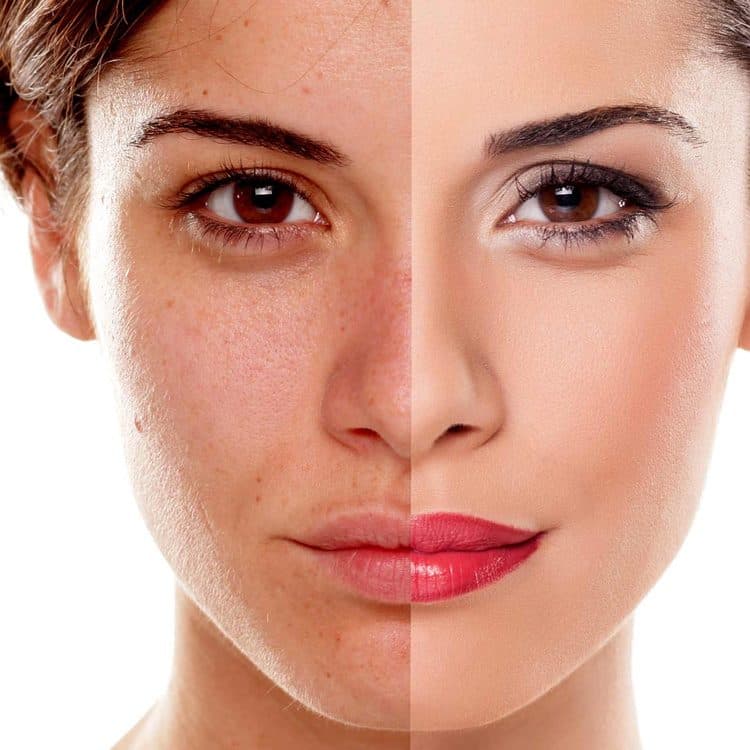
Sun damage builds up quietly over years. Every time skin is exposed to ultraviolet light, it responds by making more pigment and, over time, by losing collagen. The visible result is tanning, sun spots, freckles, blotchy tone, rough texture and, later, fine lines. Much of what people think of as ageing is in fact sun damage, which is why protected areas such as the inner arm usually look younger and more even.
Delhi has strong sun for a large part of the year, and much exposure is incidental — the drive to work, a walk to the market, sitting near a window. Indian skin tans quickly and holds on to pigmentation, so the face, neck, forearms and hands are often several shades darker than protected skin. Visible light and heat can also deepen pigmentation in darker skin types, not only ultraviolet rays.
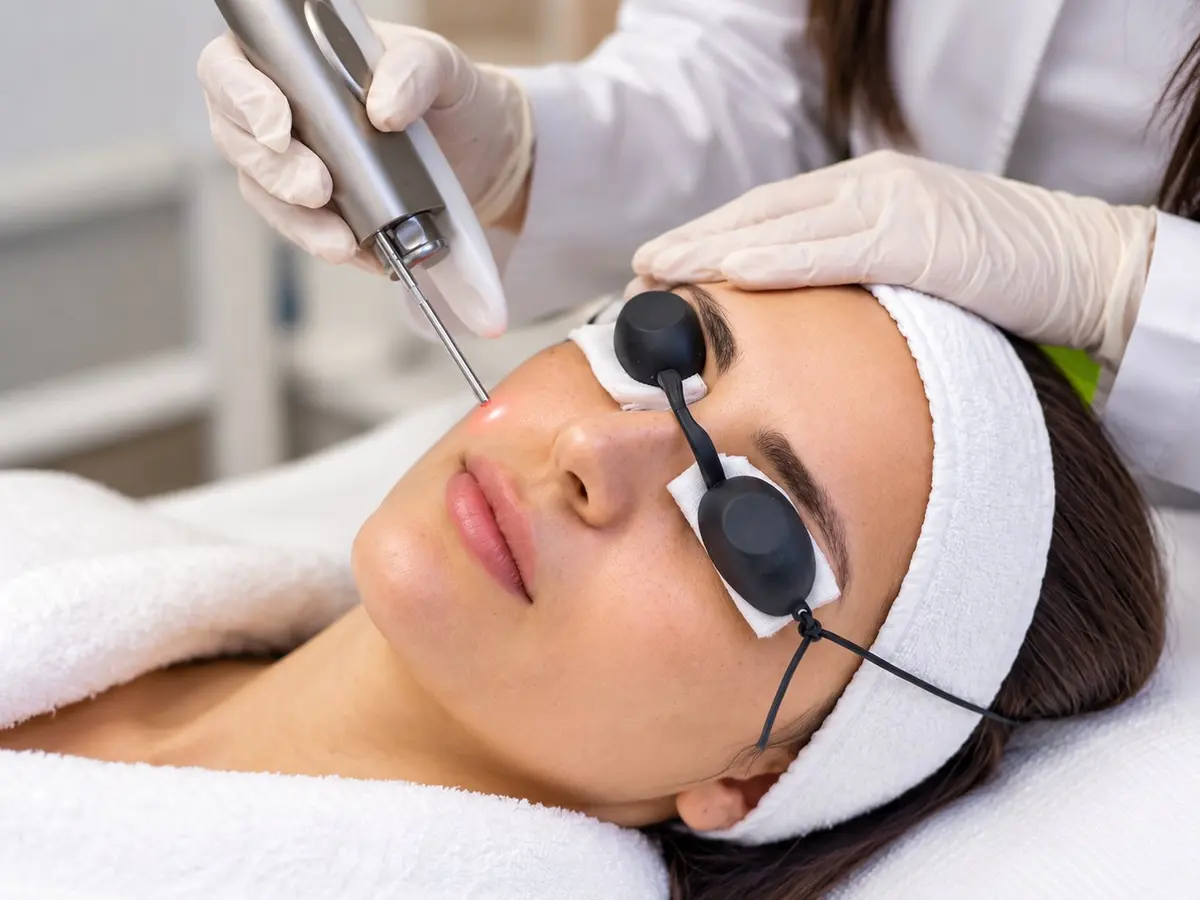
Sun damage responds well to treatment when it is combined with consistent daily sun protection. At Paradise Wellness, a doctor first checks that your spots are harmless and identifies the type of pigmentation, then chooses between IPL, laser toning and peels for your skin tone. Results vary, and protecting your skin afterwards is what keeps them. Treatments are usually timed to avoid the peak of summer where possible, when tanning risk is highest.
Types of sun damage & uneven tone
Tanning
An overall darkening of exposed skin that may fade slowly but often lingers on Indian skin.
Sun spots
Flat brown spots on sun-exposed areas that tend to increase with age.
Freckles
Small light-brown spots that darken in summer and lighten in winter.
Photo-ageing
Rough texture, dullness, fine lines and loss of firmness caused by long-term sun exposure.
Treatments that can help
Your doctor recommends the right one — or a combination — after assessing your skin.
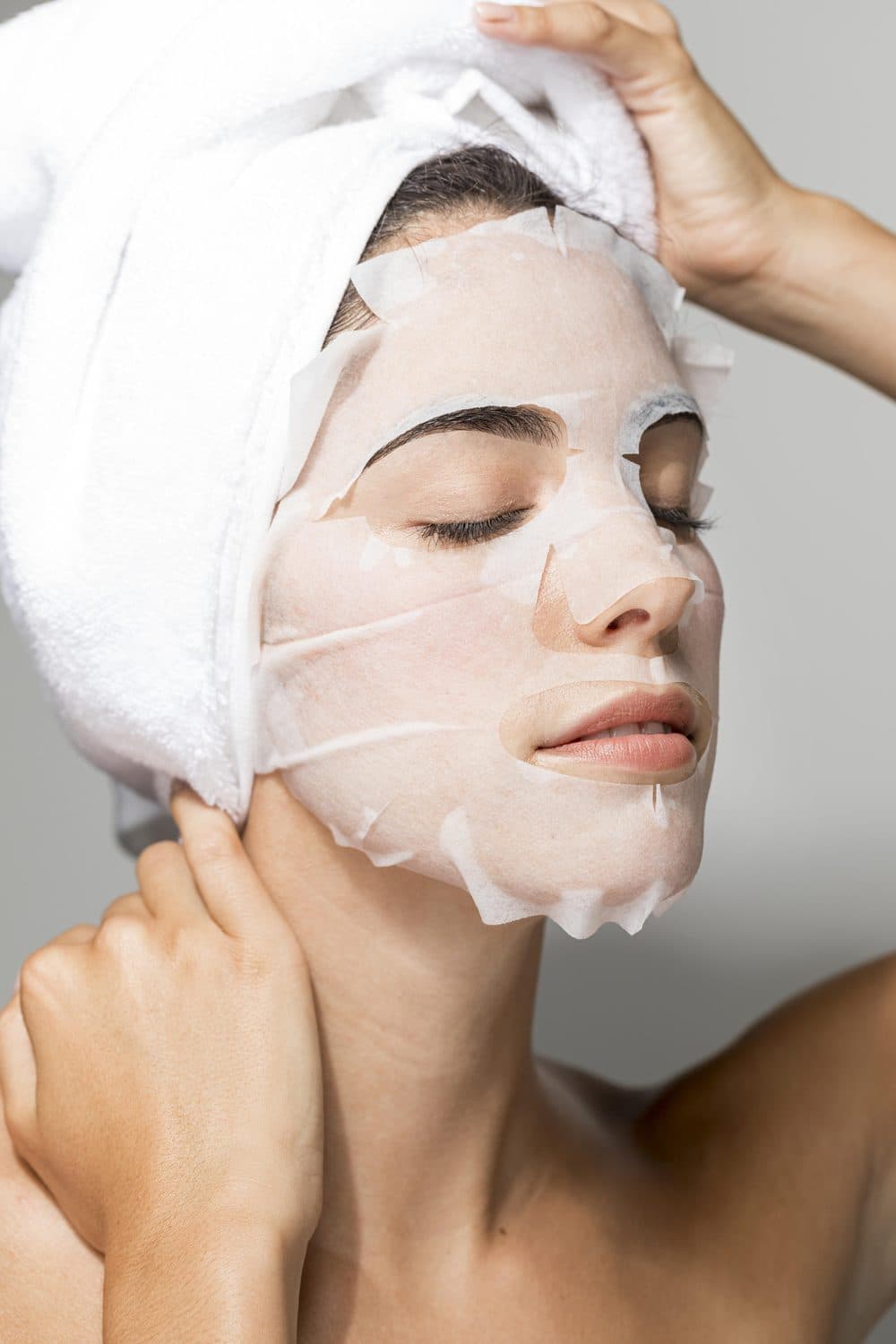
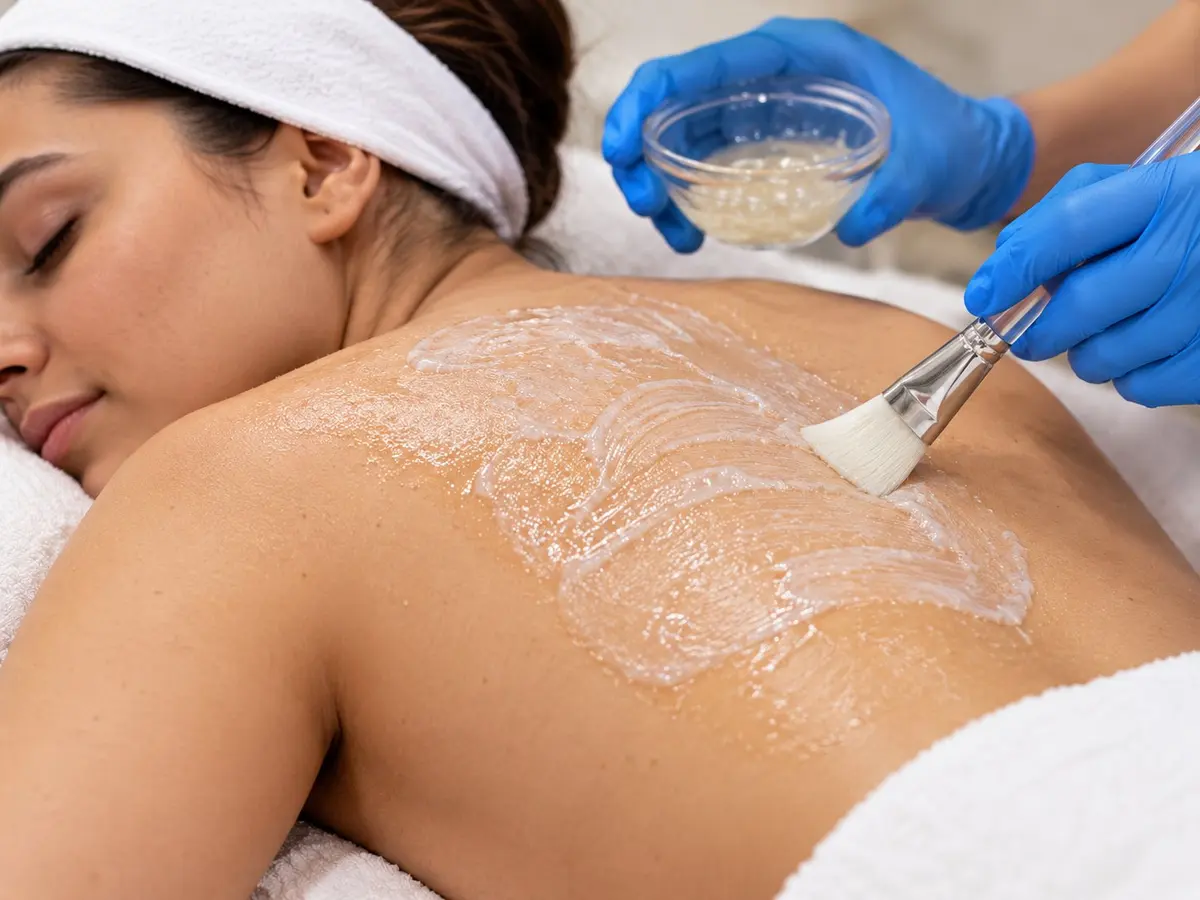
What a plan usually looks like
- Consultation & skin checkA doctor examines your spots to make sure they are harmless and identifies the type and depth of pigmentation.
- Daily sun protectionSunscreen and protective habits start straight away, as treatment works best on protected skin.
- Course of treatmentIPL, laser toning or peels are scheduled every two to four weeks, with settings chosen for your skin tone.
- MaintainOne or two maintenance sessions a year, plus daily sunscreen, help keep tone even.
Typical experience — plans and results vary from person to person.
Helpful at home
- Apply a broad-spectrum sunscreen of SPF 30 or more to face, neck and hands every morning.
- Reapply sunscreen every two to three hours outdoors, and after sweating or swimming.
- Use a hat, sunglasses and full sleeves on long days out.
- Plan outdoor activity for early morning or evening in the summer months.
- Avoid tanning before treatments — tanned skin needs gentler settings or a short wait.
See a doctor promptly if
- A spot that is growing, changing colour, has an irregular border or bleeds
- A rough, scaly patch that keeps coming back on sun-exposed skin
- A sore that does not heal within a few weeks
- Severe sunburn with blistering, fever or dizziness
Get an honest plan for sun damage & uneven tone
Free consultation in clinic, or start with a video or phone call. Walk-ins are welcome at all our clinics.
Sun damage & uneven tone FAQs
Can a tan be removed completely?
A tan usually fades on its own over weeks to months once sun exposure is reduced, but on Indian skin it can linger. Laser toning, peels and body polishing can speed up fading and even out tone. Daily sunscreen is essential, otherwise the tan simply returns.
Is IPL safe for Indian skin?
IPL can be used on many Indian skin types when the settings are chosen carefully, but darker skin needs particular caution to avoid pigment changes. For some people, laser toning or a peel is a safer choice. Our doctors assess your skin before every course and may start with a test area.
Why do my dark spots look darker after IPL?
This is expected. After an IPL session, treated spots often darken for a few days and then flake away like coffee grounds, leaving lighter skin underneath. Do not pick them. If you are unsure whether a reaction is normal, contact the clinic.
Which sunscreen is best for Delhi weather?
Look for a broad-spectrum sunscreen of SPF 30 or higher. Gel or matte formulas suit oily skin in humid months, while cream formulas suit drier winter skin. Tinted sunscreens also help protect against visible light, useful for pigmentation-prone skin. The best sunscreen is the one you will wear every day and reapply.
How many sessions will I need to treat sun damage?
Most people need four to six sessions of IPL or laser toning, spaced a few weeks apart, followed by occasional maintenance. The number depends on the depth of pigmentation, your skin type and how well the skin is protected between sessions.