





Unwanted hair
Long-term hair reduction, planned by doctors for Indian skin.
Understanding unwanted hair
Unwanted hair is one of the most common reasons people visit a skin clinic. For many, it means years of waxing, threading and shaving — along with ingrown hairs, razor bumps and darkening from repeated hair removal. Coarse facial hair, a dark upper lip or dense hair on the arms, legs, back or chest can also affect confidence, and the time and cost of repeated salon visits add up over the years.
Hair growth is influenced by genetics and hormones. In women, new or increasing coarse hair on the chin, jawline, upper lip, chest or abdomen can be a sign of a hormonal condition such as PCOS, and is worth discussing with a doctor. Some medicines can also increase hair growth. In men, common concerns include the back, chest, shoulders and a beard line that needs daily shaping.
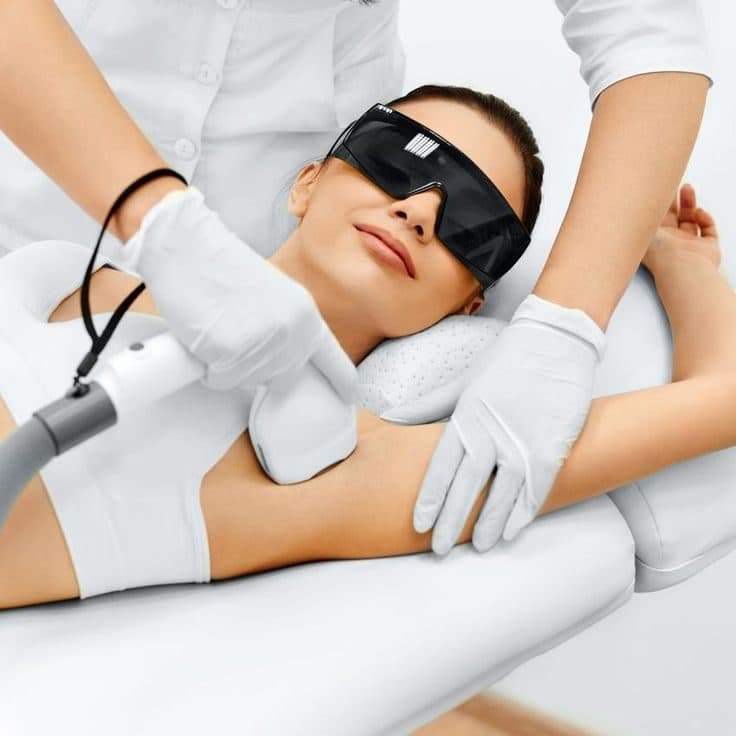
Laser hair removal offers long-term hair reduction rather than permanent removal. At Paradise Wellness, we use the Soprano Titanium by Alma Lasers, which combines three wavelengths with built-in cooling, and our doctors set it for your skin tone and hair type after a patch test. Most people need six to eight sessions, and treated hair becomes sparse, finer and lighter over the course. Individual results vary.
Treatments that can help
Your doctor recommends the right one — or a combination — after assessing your skin.
What a plan usually looks like
- Consultation & patch testA doctor checks your skin tone, hair type and medical history, looks for hormonal causes and carries out a patch test.
- PrepareYou shave the area 24 hours before, stop waxing and threading, and avoid tanning.
- Course of sessionsSix to eight sessions, spaced about four to six weeks apart for the face and six to eight weeks for the body.
- Manage hormones if neededIf PCOS or another hormonal cause is suspected, your doctor may suggest tests and treatment alongside laser.
- MaintenanceOccasional top-up sessions help if hormones trigger new growth later.
Typical experience — plans and results vary from person to person.
Helpful at home
- Shave, rather than wax or thread, between laser sessions so the root stays in place.
- Use sunscreen on treated areas and avoid tanning during your course.
- Avoid hot showers, saunas and the gym for 24–48 hours after each session.
- Tell us about any new medicines before each session.
- Exfoliate gently once or twice a week to help treated hairs shed and reduce ingrown hairs.
See a doctor promptly if
- Rapid increase in coarse hair on the face, chest or abdomen
- Excess hair along with irregular periods, acne or scalp hair thinning
- A deepening voice or other new body changes alongside hair growth
- Painful, recurring ingrown hairs or boils
Get an honest plan for unwanted hair
Free consultation in clinic, or start with a video or phone call. Walk-ins are welcome at all our clinics.
Unwanted hair FAQs
Is laser hair removal permanent?
Laser hair removal gives long-term hair reduction rather than permanent removal. Most treated hair does not grow back, and any regrowth is usually finer and lighter. Hormonal changes can trigger new growth, so some people have occasional maintenance sessions. Individual results vary.
Is laser hair removal safe for Indian skin?
Yes, when the right laser and settings are used under medical supervision. We use the Soprano Titanium by Alma Lasers, which combines three wavelengths (755, 810 and 1064 nm) with built-in cooling. Our doctors choose settings for your skin tone and hair after a patch test.
Can laser help with PCOS facial hair?
Yes. Laser reduces hair well in PCOS, though hormones can stimulate new growth, so more sessions or maintenance may be needed. Your doctor may suggest managing the hormonal cause alongside laser for the best result.
How many sessions will I need?
Most people need six to eight sessions, spaced four to six weeks apart for the face and six to eight weeks for the body, because hair grows in cycles and laser works on actively growing hair. Your doctor confirms your plan at consultation.
Does laser work on light or grey hair?
Lasers target pigment in the hair, so very light, grey, white or blonde hair responds poorly. Your doctor will tell you honestly at consultation whether laser is right for you, and suggest other options if it is not.
Should I stop threading my eyebrows or upper lip?
Between laser sessions, avoid waxing, threading and plucking the treated area, because these remove the hair root that the laser needs to target. Shaving or trimming is fine. Eyebrow shaping itself is not usually treated with laser.