





Sagging skin & jawline
A firmer, more defined look — without surgery.
Understanding sagging skin & jawline
As we age, the face gradually loses collagen, elastin, fat and even some bone support. Skin becomes less able to spring back, and tissue slowly moves downwards. The result is a softer jawline, early jowls, deeper folds from the nose to the mouth, heavier-looking brows and looser skin on the neck. These changes happen slowly, so they are often noticed only when comparing photos from a few years ago.
These changes often begin in the late thirties and forties, but sun damage, significant weight loss, smoking and genetics can bring them on earlier. Many people first notice them in photos or video calls, where the jawline looks less defined than it used to. Looking down at a phone for long periods can also make the area under the chin and neck look softer in photos and on camera.
Non-surgical treatments work best for mild to moderate sagging. They stimulate new collagen, tighten deeper layers or reposition tissue, with little or no downtime. Very loose skin may need surgery, and our doctors will tell you honestly if that is the case. At Paradise Wellness, every plan starts with an assessment of your skin, face shape and goals. Results vary and develop gradually.
Treatments that can help
Your doctor recommends the right one — or a combination — after assessing your skin.
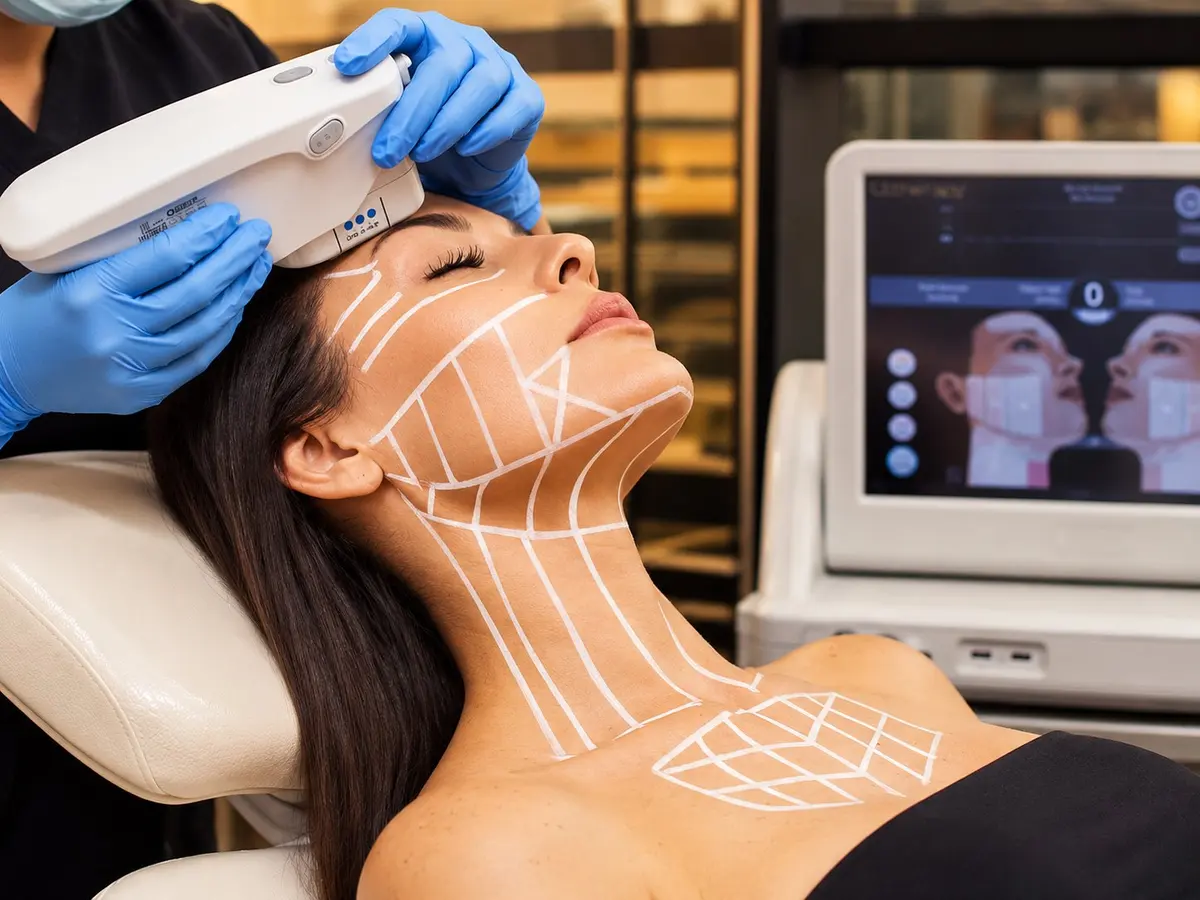

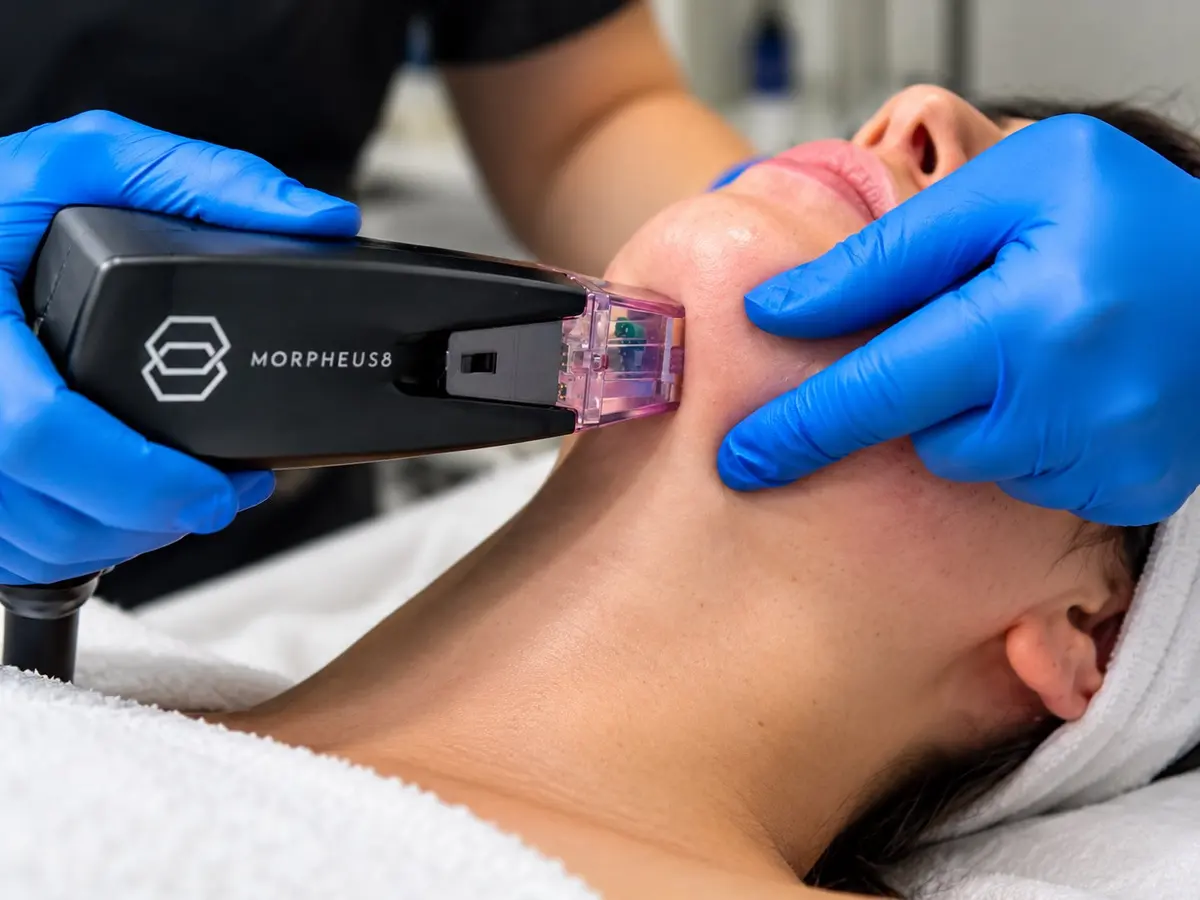
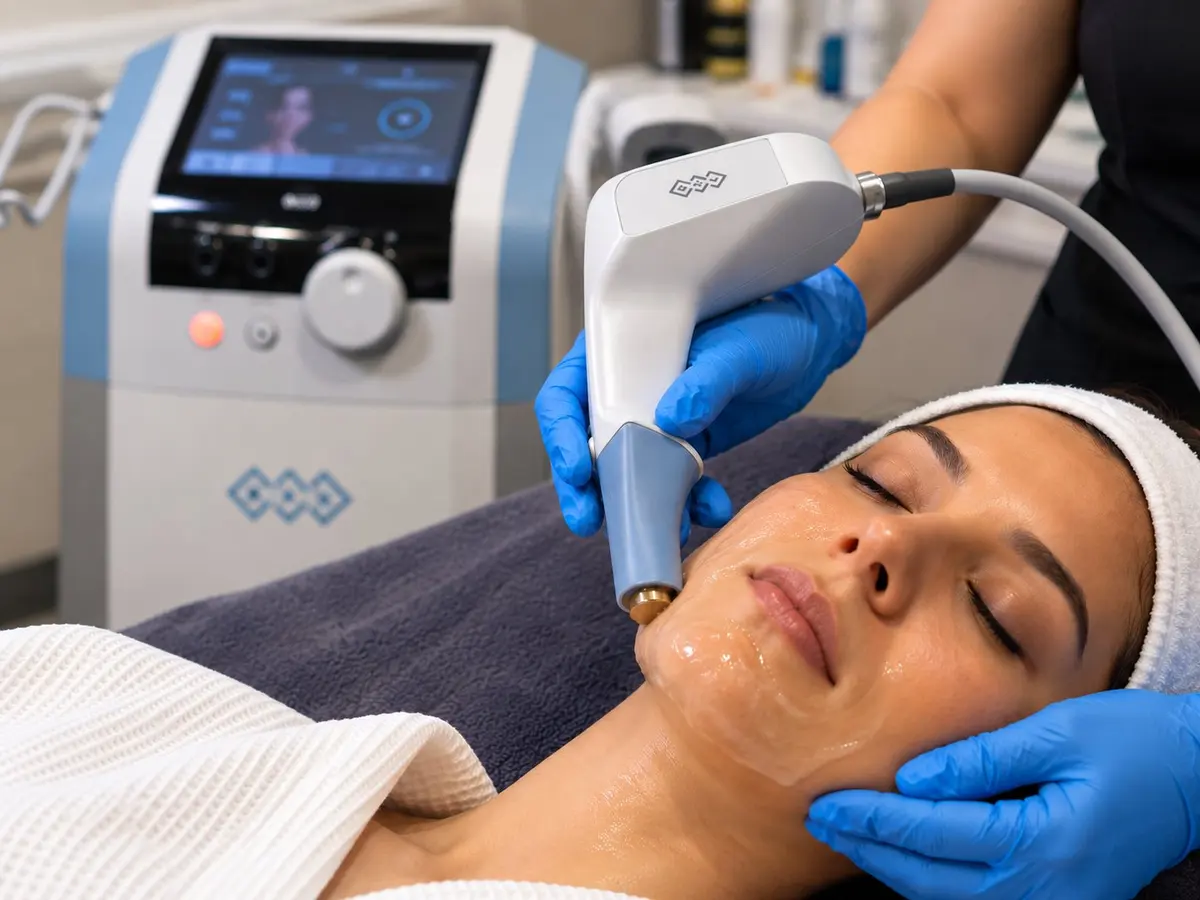
What a plan usually looks like
- Consultation & facial assessmentA doctor assesses skin laxity, volume loss and bone structure, and discusses what you would like to improve.
- Choose the right approachTightening, lifting and volume restoration are matched to your needs — often in combination for a natural result.
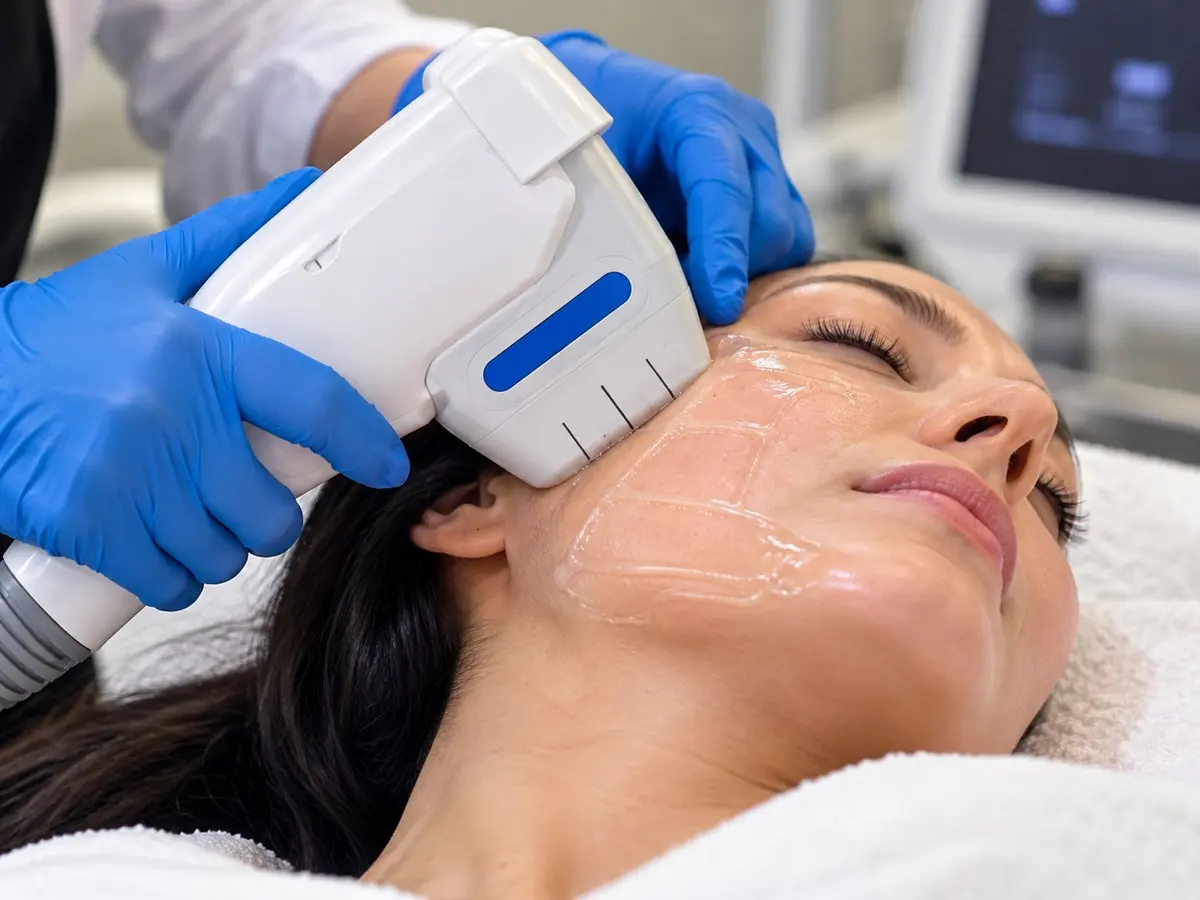
- TreatmentHIFU is usually a single session; RF and Exilis treatments are given as a course; threads and fillers are placed in one visit.
- Review as collagen buildsResults develop over two to three months, so your doctor reviews progress before suggesting anything further.
- MaintainMaintenance sessions, often once a year for ultrasound treatments, help keep skin firmer for longer.
Typical experience — plans and results vary from person to person.
Helpful at home
- Protect your skin from the sun every day — sun damage is a major cause of early sagging.
- Keep your weight stable where possible, as repeated gain and loss stretches the skin.
- Use a moisturiser and sunscreen on the neck as well as the face.
- Get enough protein in your diet to support the skin’s natural repair.
- Avoid smoking, which breaks down collagen and elastin.
See a doctor promptly if
- Sudden drooping of one side of the face or mouth — seek emergency care straight away
- A new lump or swelling in the jaw or neck
- Rapid, unexplained weight loss causing loose skin
- Lumps, pain or asymmetry after a thread lift or filler done elsewhere
Get an honest plan for sagging skin & jawline
Free consultation in clinic, or start with a video or phone call. Walk-ins are welcome at all our clinics.
Sagging skin & jawline FAQs
Is HIFU or a thread lift better for sagging?
They work differently. HIFU is non-invasive and stimulates collagen in the deeper layers, so results build gradually over two to three months. A thread lift uses dissolvable threads to give a visible lift straight away, with a few days of swelling. Your doctor will recommend the one — or the combination — that suits your skin and the degree of sagging.
How long do HIFU results last?
Results develop over about three months as new collagen forms, and typically last around a year. Many people choose a maintenance session once a year. Natural ageing continues, so results vary from person to person.
Can I tighten my jawline without surgery?
For mild to moderate sagging, non-surgical treatments such as HIFU, Ultherapy, RF microneedling, thread lifts and fillers can improve jawline definition. Very loose skin or heavy jowls may need surgery for a significant change, and our doctors will tell you honestly if that is the case.
Does HIFU hurt?
Most people feel warmth and brief deep tingling or prickling in some areas, especially near the jawbone. The session usually takes 45 to 90 minutes, and there is no downtime — most clients return to their day straight afterwards.
At what age does skin start to sag?
Collagen begins to decline from the mid-twenties, but visible sagging usually appears in the late thirties and forties. Sun exposure, weight loss, smoking and genetics can make it start earlier. Starting sun protection early and treating early laxity usually gives the most natural-looking results.