






Dark circles & under-eye hollows
Brighter, fresher-looking eyes — treated for the real cause.
Understanding dark circles & under-eye hollows
Dark circles are one of the most common reasons people say they look tired, even when they are not. The skin under the eyes is among the thinnest on the body, so pigment, blood vessels and shadows show through easily. In Indian skin, dark circles are very often caused by pigmentation, and they frequently run in families. They can appear in childhood or the teenage years and tend to become more noticeable with age.
Not all dark circles are the same. Some are brown from extra pigment, some are bluish-purple from visible blood vessels, and some are really shadows from hollows or puffiness. Many people have a mix. Rubbing the eyes because of allergies — common in Delhi’s dust and pollution seasons — screen time and poor sleep can all make them look worse.
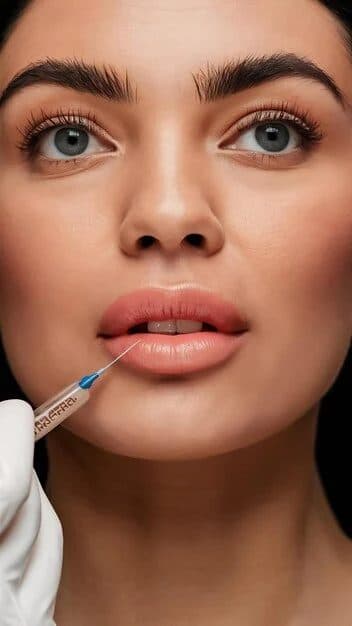
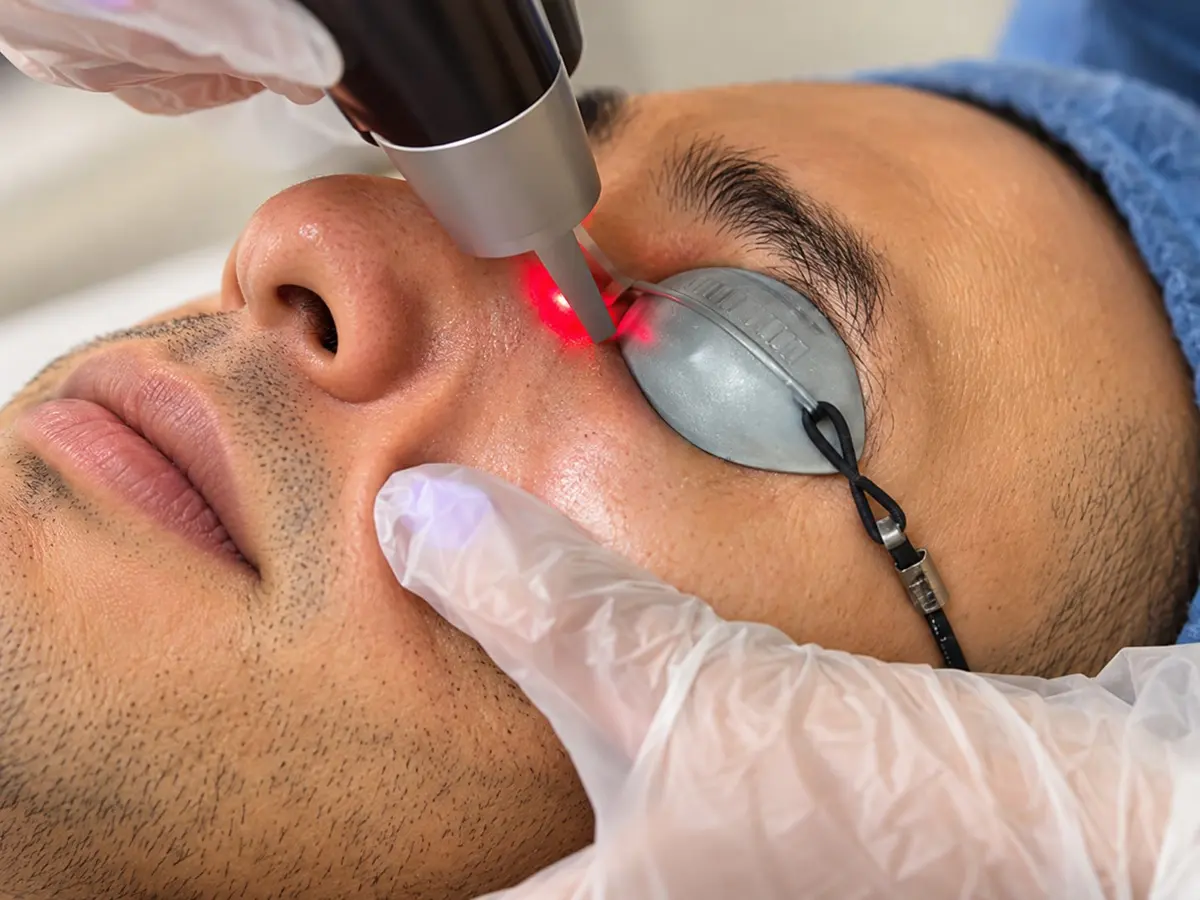
Because the cause decides the treatment, a doctor at Paradise Wellness first examines the area in good light and asks about allergies, sleep and family history. A plan may combine gentle laser toning or peels for pigment, boosters for thin skin and, occasionally, filler for hollows. Results vary, and genetics play a large part, so the goal is a brighter, more rested look rather than a complete change.
Types of dark circles & under-eye hollows
Pigmented
Brown or grey-brown colour, very common in Indian skin. Often responds to laser toning, peels and sun protection.
Vascular
Bluish or purple tones from visible blood vessels under thin skin. Treatments that improve skin thickness and quality can help.
Structural (hollows)
Shadows caused by a groove or loss of volume under the eye. Boosters or, in suitable cases, filler may help.
Mixed
Most people have more than one type, which is why a combined plan often works best.
Treatments that can help
Your doctor recommends the right one — or a combination — after assessing your skin.

What a plan usually looks like
- Consultation & diagnosisA doctor identifies whether your dark circles are pigmented, vascular, structural or mixed, and looks for triggers such as allergies.
- Home care firstSunscreen, sunglasses, gentle eye care and managing allergies form the base of every plan.
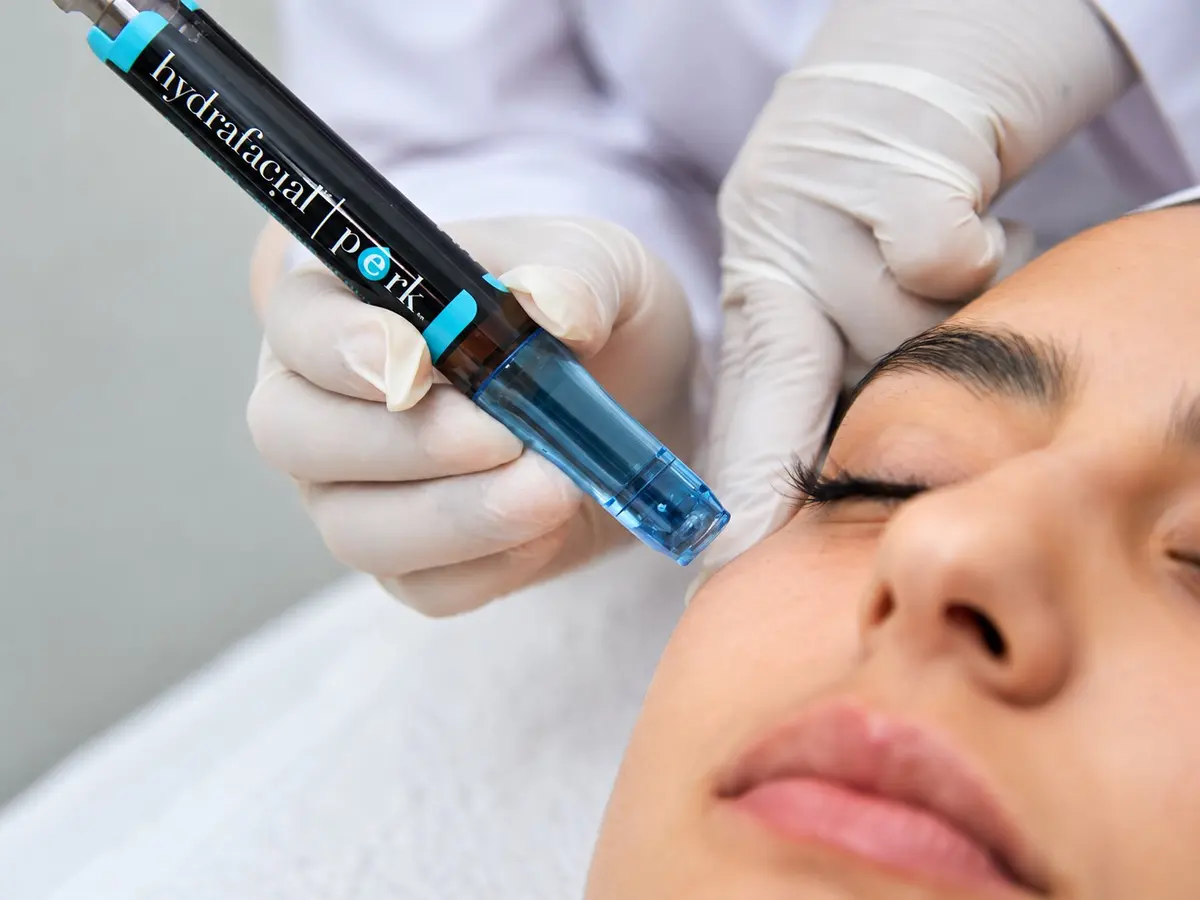
- Targeted treatmentEye laser toning or peels for pigment, boosters for thin skin, or filler for hollows — often combined over a few months.
- Review and maintainProgress is reviewed at follow-ups, and maintenance sessions help keep the area brighter.
Typical experience — plans and results vary from person to person.
Helpful at home
- Apply a gentle sunscreen around the eyes and wear sunglasses outdoors.
- Avoid rubbing your eyes; if they itch, speak to a doctor about managing allergies.
- Aim for regular, sufficient sleep and take breaks from screens.
- Use a light eye cream and tap it in gently with your ring finger.
- A cold compress in the morning can ease puffiness.
- Remove eye makeup gently every night with a mild remover.
See a doctor promptly if
- Swelling, redness or pain around one eye
- Dark circles that appeared suddenly with tiredness, breathlessness or weight change
- Persistent puffiness in the eyes or ankles
- A lump, bump or change in the eyelid skin
Get an honest plan for dark circles & under-eye hollows
Free consultation in clinic, or start with a video or phone call. Walk-ins are welcome at all our clinics.
Dark circles & under-eye hollows FAQs
Can dark circles be removed permanently?
Dark circles often have a genetic component, so they cannot always be removed completely or permanently. Treatment can lighten them considerably and make the area look brighter and fresher. Sun protection, not rubbing the eyes and occasional maintenance sessions help keep the improvement.
Which treatment is best for dark circles?
It depends on the cause. Brown, pigmented circles often respond to eye laser toning or an under-eye peel. Thin, crepey skin may benefit from an under-eye booster such as Lumi Eyes. Hollows that cast shadows may need filler. A doctor’s examination shows which type you have.
Are under-eye fillers safe?
Tear-trough filler can give good results in the right person, but the under-eye area is delicate and needs an experienced doctor. Not everyone is a good candidate — for example, people with significant puffiness may not suit it. Your doctor will assess you carefully and explain the options.
Does lack of sleep cause dark circles?
Poor sleep can make dark circles and puffiness look worse, but it is rarely the only cause. Genetics, pigmentation, thin skin and hollows are often involved. Better sleep helps, but many people also need targeted treatment.
Do eye creams work for dark circles?
A good eye cream can hydrate the area and improve the look of fine lines, and some ingredients may help mild pigmentation over time. Eye creams alone rarely change deeper pigmentation or hollows. They work best alongside sun protection and, where needed, clinic treatments.