






Pigmentation & melasma treatment
Understand what is darkening your skin — and how to fade it safely.
Understanding pigmentation & melasma
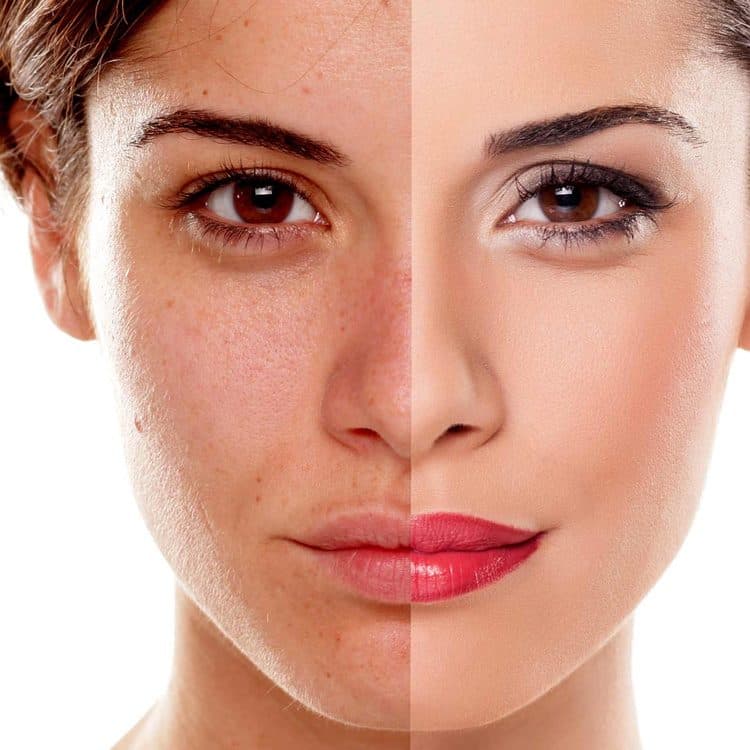
Pigmentation simply means areas of skin that are darker than the skin around them. It happens when the pigment cells in your skin make extra melanin — after sun exposure, hormonal changes, a pimple or an injury. Indian skin has active pigment cells, so it tans easily and tends to hold on to marks longer than lighter skin types. In Delhi, strong sun for much of the year, heat and pollution all add to the problem.
Melasma is one specific, stubborn type of pigmentation. It usually appears as symmetrical brown or grey-brown patches on the cheeks, forehead, upper lip or nose, and is closely linked to hormones, sunlight and heat. Melasma is a chronic condition: it can be controlled and lightened, but it can return, especially after sun exposure or during pregnancy. That is why melasma care is best thought of as long-term management rather than a one-off fix.
Because different types of pigmentation need different treatments — and the wrong treatment can make some types darker — every plan at Paradise Wellness begins with a doctor confirming what kind of pigmentation you have. Treatment then usually combines sun protection, prescribed home care and in-clinic peels or laser toning. Results vary from person to person, and patience matters: pigment fades gradually over weeks and months.
Types of pigmentation & melasma
Melasma
Symmetrical patches on the cheeks, forehead, nose or upper lip, linked to hormones, sun and heat. Chronic and prone to coming back, so it needs long-term care.
Post-inflammatory hyperpigmentation (PIH)
Flat dark marks left after acne, bites, cuts or irritation. Very common on Indian skin and often fades well with treatment and sun protection.
Sun spots and freckles
Small, defined brown spots on sun-exposed skin such as the cheeks, nose and hands, which usually darken in summer.
Tanning
An overall darkening of exposed skin after sun exposure, usually on the face, neck, arms and feet.
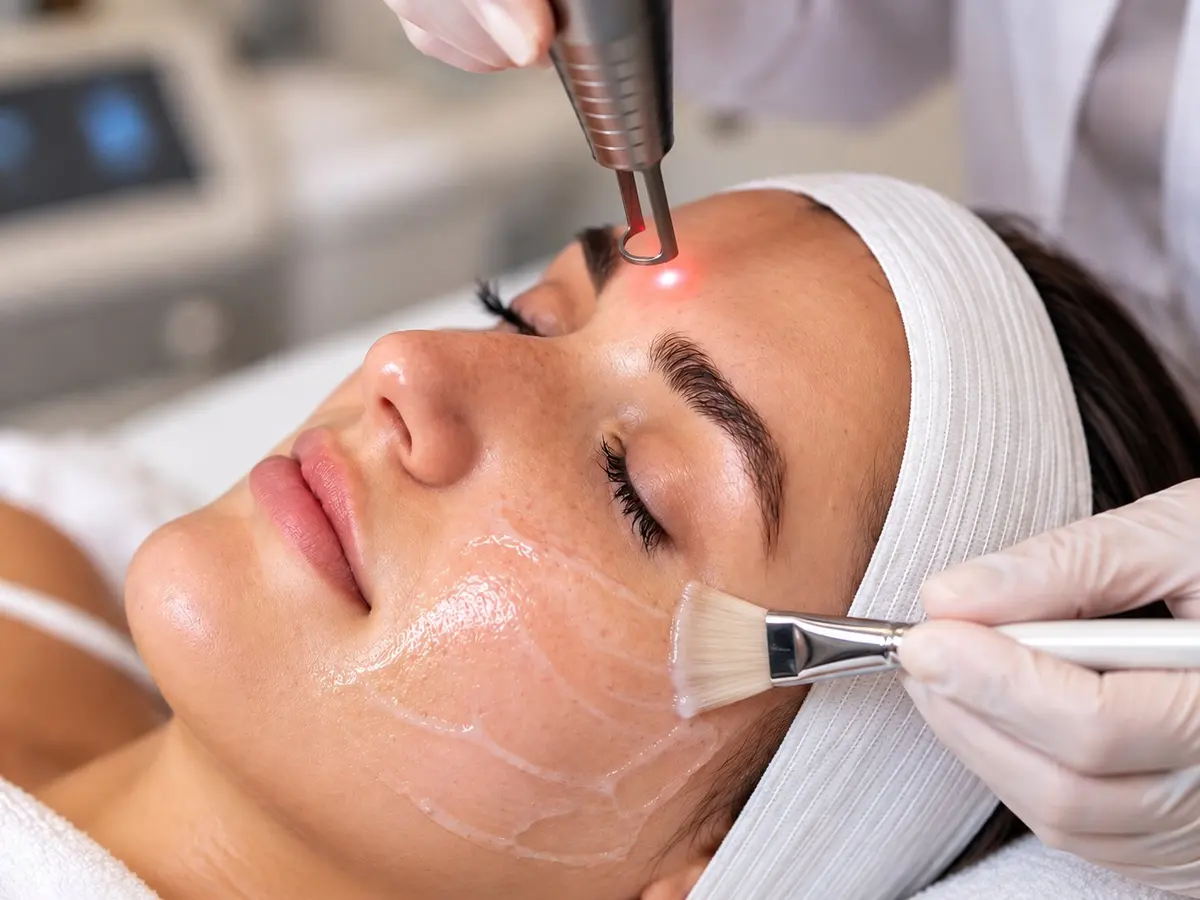
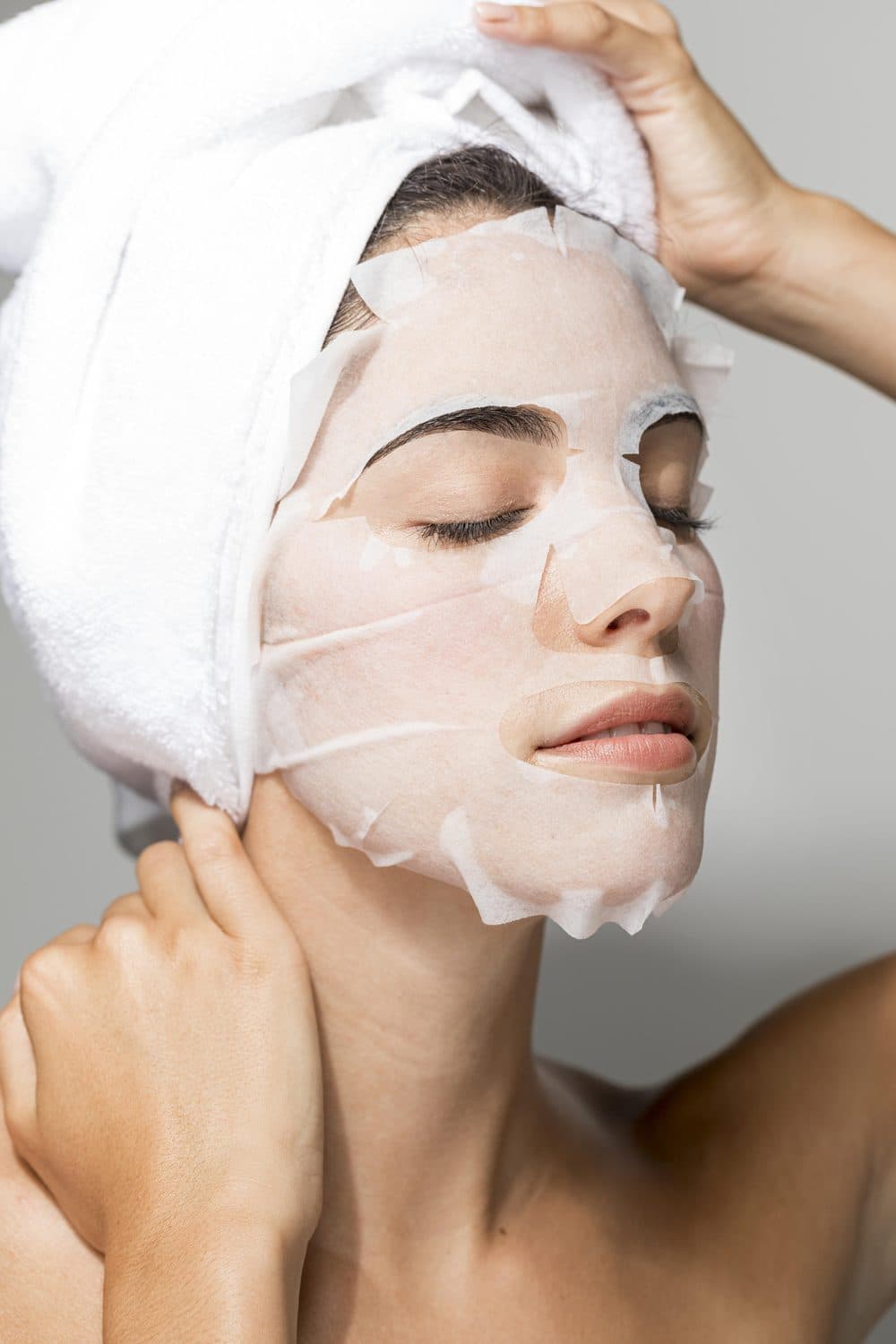
Treatments that can help
Your doctor recommends the right one — or a combination — after assessing your skin.
What a plan usually looks like
- Consultation & skin assessmentA doctor examines your skin, asks about hormones, medicines and sun habits, and confirms the type and depth of pigmentation.
- Protect and prepareYou start daily sunscreen and a prescribed home-care routine, which prepares the skin and lowers the risk of rebound darkening.
- In-clinic coursePeels, laser toning or a combination are scheduled every few weeks, with settings adjusted as your skin responds.
- Review and adjustProgress photos are compared at follow-ups and the plan is changed if a patch is not responding as expected.
- MaintenanceBecause pigmentation, and especially melasma, can return, occasional maintenance sessions and ongoing sun care help keep results.
Typical experience — plans and results vary from person to person.
Helpful at home
- Use a broad-spectrum sunscreen of SPF 30 or higher every morning, indoors too, and reapply every 2–3 hours outdoors.
- Choose a tinted sunscreen if you have melasma — tinted formulas also help block visible light.
- Wear a wide-brimmed hat or carry an umbrella in the Delhi summer and avoid the midday sun where you can.
- Stop picking or squeezing pimples, which leaves marks that last far longer than the spot itself.
- Avoid unprescribed “fairness” or steroid creams — they can thin the skin and make pigmentation worse over time.
- Keep heat exposure down: steam rooms, saunas and hot yoga can trigger melasma flares.
See a doctor promptly if
- A dark spot or mole that is changing in size, shape or colour, bleeding or itching
- Patches that appeared suddenly after starting a new medicine
- Darkening together with thick, velvety skin on the neck or underarms
- Skin that has become thin, red or sensitive after using a cream bought without a prescription
- Pigmentation during pregnancy — some treatments must wait, so ask before starting anything
Get an honest plan for pigmentation & melasma
Free consultation in clinic, or start with a video or phone call. Walk-ins are welcome at all our clinics.
Pigmentation & melasma FAQs
Can melasma be cured permanently?
Melasma is a chronic condition, so no treatment can promise it will never return. With the right plan — daily sun protection, prescribed home care and in-clinic treatment such as depigmentation peels or laser toning — many people see their patches lighten considerably. Maintenance and sun care help keep it under control, and flares after sun exposure or hormonal changes can be treated again.
Which is better for pigmentation — laser or peel?
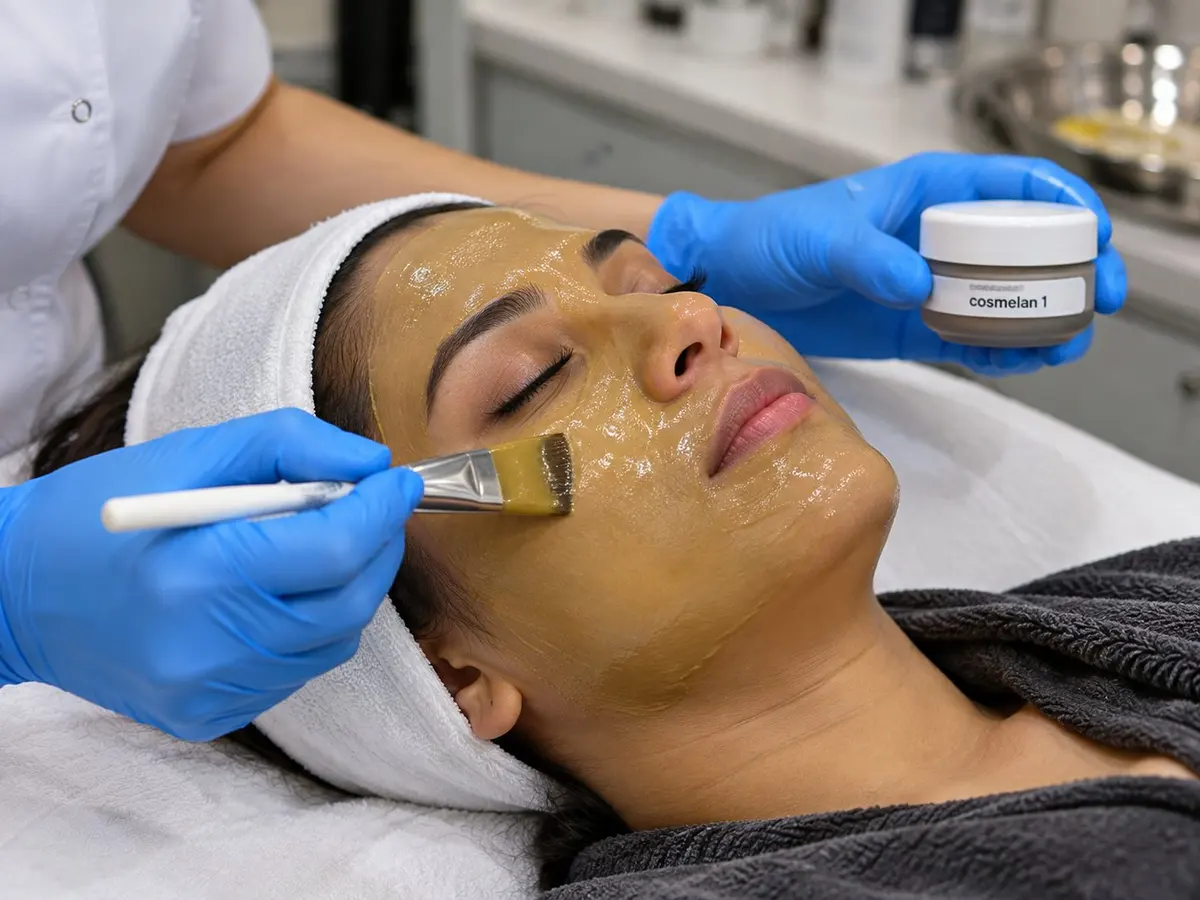
It depends on the type and depth of your pigmentation, your skin type and your lifestyle. Peels such as Cosmelan are often chosen for melasma, while laser toning suits tanning, uneven tone and some types of melasma. Many plans combine the two. Your doctor recommends the right approach after examining your skin.
How long does it take for pigmentation to fade?
Most people start to notice a difference within four to eight weeks, with fuller results over a course of treatment lasting a few months. Post-acne marks often fade faster than melasma. Progress depends on the type of pigmentation, how deep it sits and how consistently you use sunscreen and home care.
Is IPL good for melasma?
IPL works well for sun spots and freckles, but melasma can sometimes worsen with heat and light. For melasma, doctors usually prefer depigmentation peels, low-energy laser toning and prescribed home care. Your doctor will tell you honestly whether IPL is suitable for your skin.
Can I treat pigmentation during pregnancy?
Many pigmentation treatments and some creams are not suitable during pregnancy and breastfeeding. Melasma that appears in pregnancy often improves afterwards. In the meantime, careful sun protection is the safest step. Speak to your doctor before starting any treatment.
Why does my pigmentation come back every summer?
Pigment cells in Indian skin respond quickly to sunlight and heat, and Delhi summers bring both. Even after successful treatment, the skin remembers its tendency to pigment. Daily sunscreen, reapplication outdoors and occasional maintenance sessions are the best way to keep the tone even through the year.