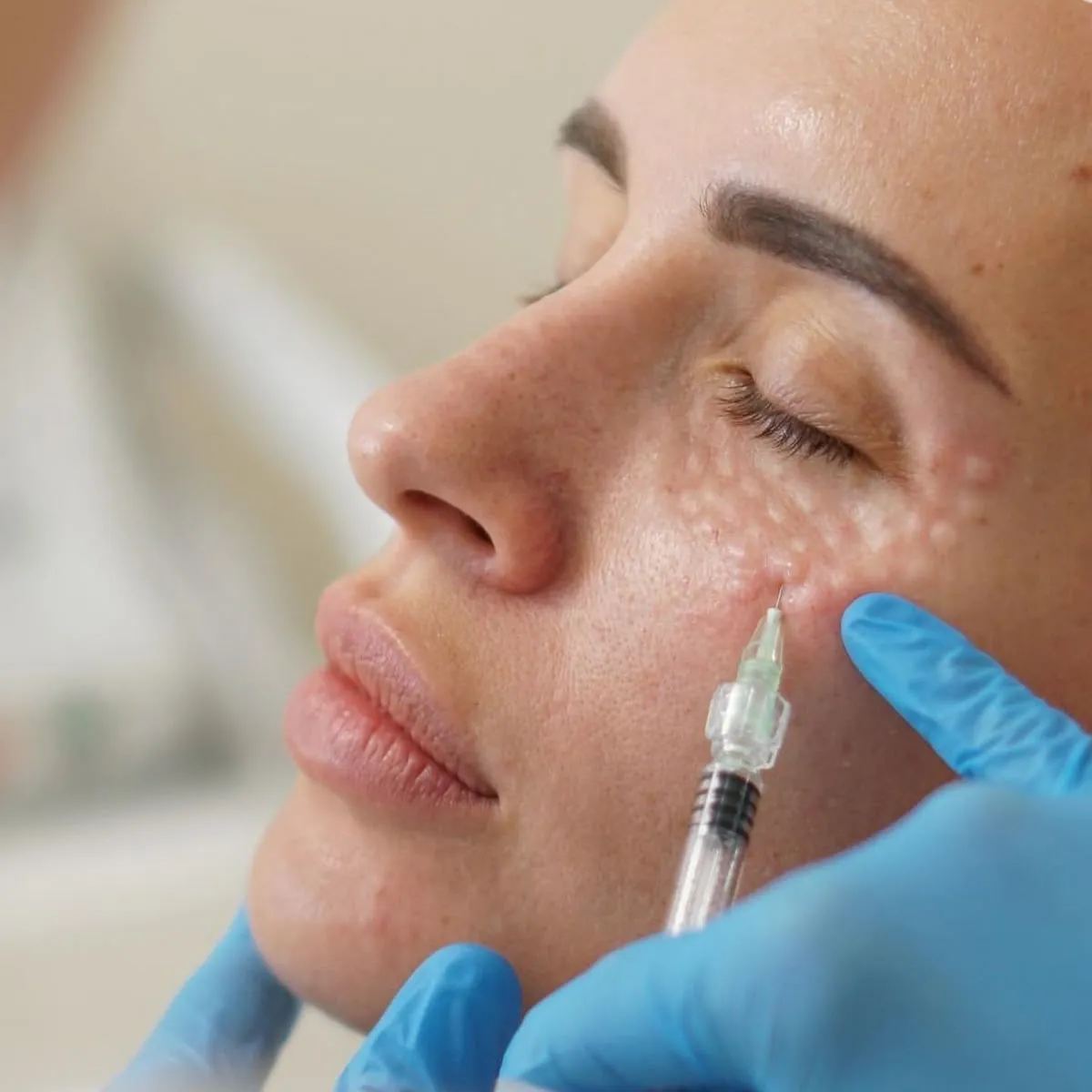





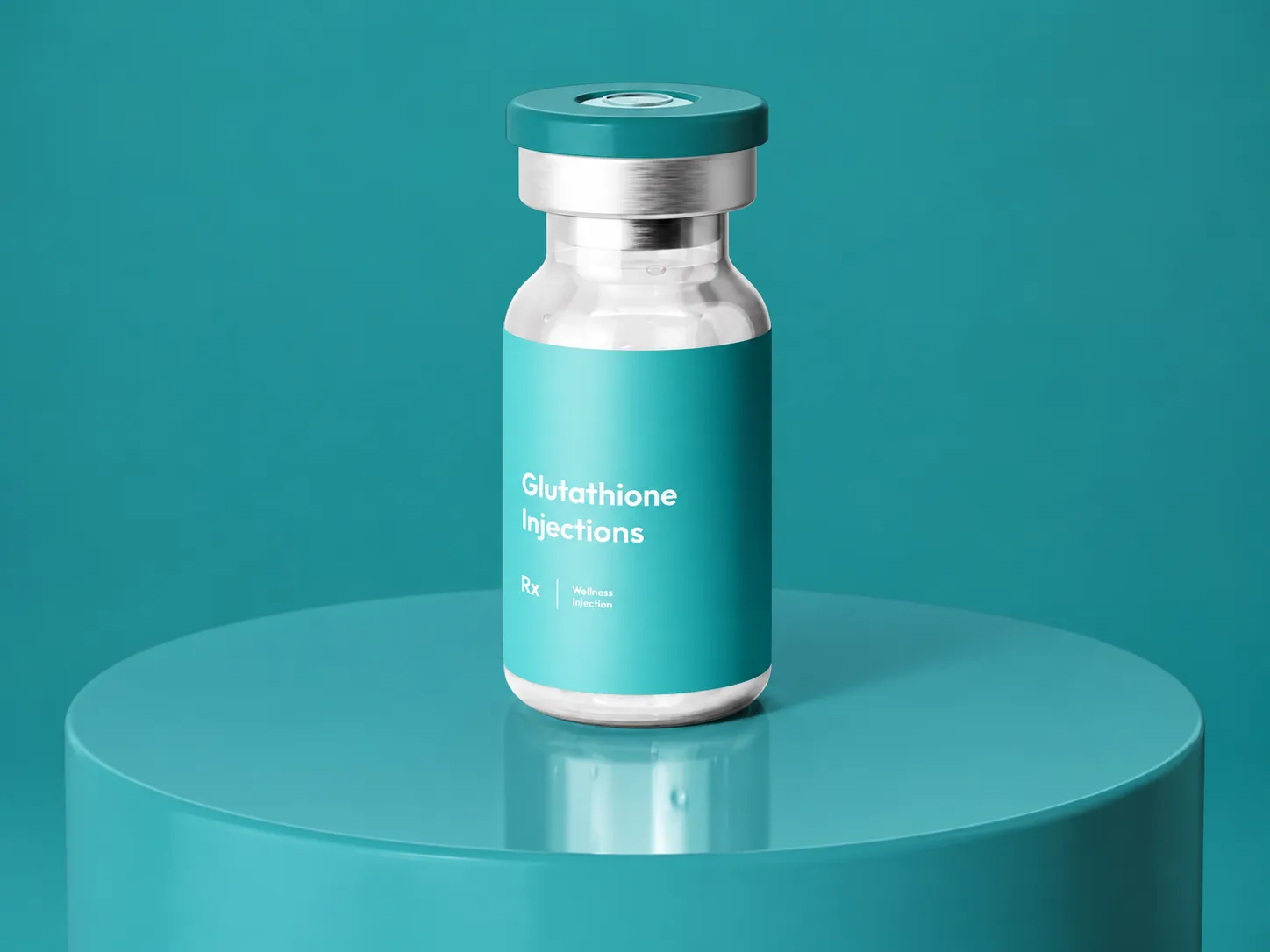
A glutathione IV drip gives the antioxidant glutathione slowly into a vein, usually with vitamins, under a doctor's supervision. The honest answer is that evidence for skin benefits is limited and mixed: some people feel their skin looks fresher or more even for a while, others notice little change, and any effect fades when the drips stop. It does not change your natural skin colour, and it should only be given after a doctor's assessment and safety checks.
If you are considering a glutathione IV drip in Delhi, this guide sets out what is known, what is not, and the questions to ask first.
What is glutathione?
Glutathione is an antioxidant your body makes naturally, mainly in the liver. It helps protect cells from oxidative stress, the kind of wear caused by things like sun exposure, pollution and normal metabolism. Levels can be affected by age, illness and lifestyle.
In a drip, glutathione is given straight into the bloodstream rather than swallowed. It is often combined with other ingredients, such as vitamin C. At our clinics, glow drips include the Paradise Glow Drip, the Vita Drip and the Paradise Reglow Drip, and the doctor explains what each one contains before you decide anything.
What can a glutathione drip realistically do?
Here is a balanced view of what people may notice:
- Antioxidant support: the main reason it is used in wellness care.
- A fresher look: some people feel their skin looks brighter or less tired for a while.
- A more even-looking tone: reported by some, but not consistently.
Studies on glutathione for skin glow are small, and the results are mixed. That means we cannot promise a visible change, and you should be wary of anyone who does. Results vary from person to person, and they are often subtle, if they appear at all.
What a glutathione drip cannot do
It is just as important to know the limits. A glutathione drip:
- Does not change your natural skin colour.
- Does not treat melasma, deep pigmentation or sun damage on its own.
- Does not replace sunscreen or a good skincare routine.
- Does not give a lasting effect; any change fades after the drips stop.
- Is not a detox, a weight-loss treatment or a cure for any illness.
Your natural skin tone is healthy skin. The aim of any skin plan should be skin that looks rested, clear and even, not a different colour.
What safety checks should happen before a drip?
Any drip is a medical procedure, even in a clinic setting. Before a drip, a doctor should:
- Take a full medical history, including allergies and any past reactions to injections or medicines.
- Review your current medicines and supplements.
- Ask for blood tests where needed, including a G6PD test.
- Explain the evidence honestly and tell you if another treatment suits your concern better.
G6PD deficiency is an inherited condition. In people who have it, some drip ingredients, such as high-dose vitamin C, can damage red blood cells. A simple blood test helps the doctor decide whether a drip is safe for you.
During the drip, a small cannula is placed in a vein in your arm and the infusion runs slowly, usually over 30 to 45 minutes. Your blood pressure and comfort are checked, and you rest for a short time afterwards before you leave.
Who should avoid glutathione IV drips?
A drip is not suitable, or needs extra caution, if you:
- Are pregnant or breastfeeding: please do not have a drip
- Have G6PD deficiency
- Have kidney or liver disease, or heart problems
- Have asthma, especially if it is not well controlled
- Have had a reaction to a drip, injection, vitamin or medicine before
- Are unwell with a fever or infection on the day; the session should be rescheduled
Bring a list of your medicines and recent blood reports to your consultation. If the doctor feels a drip is not right for you, that is a good outcome, not a lost appointment.
Side effects and warning signs
Most people have no problems, but you should know what is normal and what is not.
| Usually normal | Contact the clinic or seek care |
|---|---|
| A small bruise or tenderness where the cannula was placed | Rash, itching, or swelling of the face or lips |
| A cool feeling in the arm during the infusion | Breathlessness, chest tightness, dizziness or a racing heart |
| Mild tiredness or a metallic taste for a short time | Dark urine, yellow eyes or unusual tiredness in the days after |
| Brief soreness in the arm | Redness, heat or pus at the cannula site |
Breathlessness, swelling of the lips or face, or chest symptoms during or after a drip need urgent medical help. Our IV drip aftercare guide explains what to do in the hours after a session.
Drips vs tablets vs unsupervised injections
Glutathione is sold in many forms. Tablets and capsules are a different product, and their evidence for skin is also limited. Injections offered at salons, at home or without a doctor's assessment are a real concern: there is no screening, no check on how the product was prepared, and no one trained to manage a reaction. We advise against any glutathione injection given without a doctor's assessment.
If you want to compare wellness drips more broadly, our IV drips page explains the different options and how they are supervised.
What works better for pigmentation and uneven tone?
If your main concern is tanning from the Delhi sun, dark patches or melasma, a drip is unlikely to be the answer. Treatments with stronger evidence for these concerns include:
- Laser toning, planned for your skin type
- Pigmentation peels, built up gradually
- A doctor-guided home routine with daily broad-spectrum sunscreen
Our page on pigmentation and melasma explains how these are planned. A drip, if suitable, would only ever be an add-on to this kind of care.
Frequently asked questions
Will a glutathione drip change my skin colour?
No. A drip does not change your natural skin colour, and we do not offer it for that purpose. Some people feel their skin looks brighter or more even for a while, but the evidence is limited and results vary. For tanning or pigmentation, treatments such as laser toning or peels, with daily sunscreen, usually do more.
How many glutathione drips would I need?
There is no fixed number. If a drip suits you, your doctor suggests a short course and reviews how you feel and how your skin looks along the way. Because any effect fades after the drips stop, long-term use without a medical reason is not recommended.
Why do I need a G6PD test before a drip?
G6PD deficiency is an inherited condition that many people do not know they have. In people with it, some drip ingredients can break down red blood cells, which can be serious. A simple blood test before your first drip helps the doctor decide whether it is safe for you.
Can I have a drip if I am trying to conceive?
Tell the doctor at your consultation. Drips are not given in pregnancy or while breastfeeding, and the doctor may advise waiting if you are actively trying to conceive. This is a precaution, because there is not enough safety information for these situations.
Is a glutathione drip safe?
For screened, healthy adults, a drip given by a trained team in a clinic is generally well tolerated, but no medical procedure is risk-free. Allergic reactions, vein irritation and problems in people with G6PD deficiency are the main concerns. Screening, slow infusion and observation are there to reduce these risks.
Do I need to stop my skincare routine during a course?
No. Keep using your sunscreen and usual skincare. A drip does not replace them, and daily sun protection does more for even tone in Delhi's climate than any drip. Mention any new prescription creams or medicines to your doctor at each visit.
If you would like an honest opinion on whether a drip suits you, or whether another treatment would help more, book a free consultation at any of our four clinics in Vasant Vihar, Gurugram, Pitampura or Civil Lines. A doctor will review your health and explain the glutathione IV drip options before anything is planned.