







Dandruff keeps coming back because the most common cause, seborrhoeic dermatitis, is a long-term tendency rather than a one-off problem. A yeast that lives on everyone's scalp feeds on oil, and in some people this triggers flaking, itch and redness that flare with heat, sweat, stress and infrequent washing. It can be well controlled with the right routine, and stubborn cases may need doctor-led dandruff treatment in Delhi.
What actually causes dandruff?
Most dandruff is not caused by a dry scalp. It is usually linked to three things working together:
- Oil (sebum). The scalp has many oil glands. More oil means more food for yeast.
- A yeast called Malassezia. It lives on almost everyone's skin. In people who are sensitive to it, its by-products irritate the scalp.
- Individual sensitivity. The scalp reacts by shedding skin cells faster. These clump together with oil and show up as flakes.
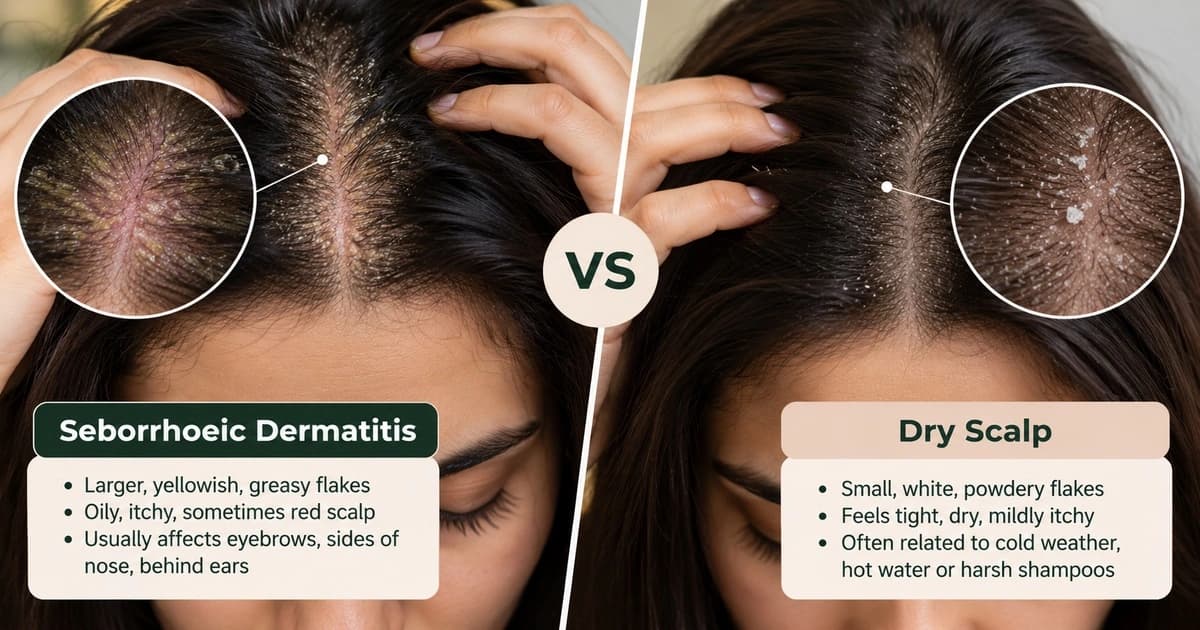
When this reaction comes with redness, greasy yellow scales and itch, doctors call it seborrhoeic dermatitis. It can also affect the eyebrows, the sides of the nose, behind the ears and the chest.
Why does dandruff keep coming back?
Medicated shampoos reduce yeast and calm inflammation, but they do not change the oil glands or your natural sensitivity. When you stop treatment, the yeast slowly builds up again and flakes return. This is why dandruff often seems to come back a few weeks after it clears.
Common triggers that bring it back sooner include:
- Heat and humidity. Delhi's monsoon and summer months mean more sweat and oil on the scalp.
- Winter. Cold, dry air and hot showers can also trigger flares in some people.
- Infrequent washing. Oil and flakes build up, especially under helmets and caps.
- Heavy oiling left on for long periods. Some oils can feed the yeast.
- Stress and poor sleep. Many people notice flares around exams, deadlines or travel.
- Stopping treatment too early, or using a medicated shampoo without leaving it on for the advised contact time.
- Pollution and hard water, which can leave residue and make the scalp feel more irritated.
Seeing it as a condition to manage, rather than cure once, makes it much easier to stay in control.
Seborrhoeic dermatitis vs dry scalp: how to tell the difference
Many people treat dandruff with more oil because they assume the scalp is dry. If the real cause is seborrhoeic dermatitis, this can make it worse. The table below shows the usual differences. Several conditions look alike, so a doctor's examination is the reliable way to know.
| Feature | Seborrhoeic dermatitis | Dry scalp |
|---|---|---|
| Flakes | Larger, yellowish, greasy or sticky | Small, white, powdery |
| Scalp feel | Oily, itchy, sometimes red | Tight, dry, mildly itchy |
| Other areas | Eyebrows, sides of the nose, behind ears | Often dry skin elsewhere on the body |
| Worse with | Heat, sweat, stress, heavy oiling | Cold weather, hot water, harsh shampoos |
| Usual approach | Medicated shampoos and anti-inflammatory care | Gentler shampoo, less frequent hot washing |
Could it be something other than dandruff?
Some scalp conditions look like dandruff but need different treatment:
- Scalp psoriasis: thick, silvery, well-defined plaques that may extend past the hairline.
- Fungal infection (tinea capitis): scaly patches with broken hair, more common in children.
- Contact dermatitis: itch and redness after a new hair colour, shampoo or styling product.
- Product build-up: residue from gels, sprays and dry shampoo that flakes off.
If anti-dandruff shampoos have not helped after a few weeks, or you have thick plaques, patches of hair loss or crusting, see a doctor rather than trying more products.
How to control dandruff at home
A steady routine prevents most flares. Your doctor will tailor it, but the basics usually include:
- Use a medicated shampoo correctly. Massage it into the scalp, not just the hair, and leave it on for the time stated, often a few minutes, before rinsing.
- Wash often enough. In humid months, or if you sweat daily, you may need to wash more often than you think.
- Rotate shampoos if advised. Some people do well alternating a medicated shampoo with a gentle one.
- Be careful with oiling. If you love oiling, ask your doctor whether it suits your scalp and how long to leave it on.
- Dry your scalp well, especially after workouts or under a helmet.
- Keep combs, caps and pillow covers clean.
- Go into maintenance mode. Once flakes settle, keep using a medicated shampoo at a lower frequency rather than stopping completely.
What clinic treatments help stubborn dandruff?
When over-the-counter shampoos are not enough, a doctor can step in. At Paradise Wellness, the plan usually has three parts:
- Diagnosis. The doctor examines your scalp, sometimes with a magnifier, and asks about your products and routine.
- Medical treatment. Prescription shampoos and lotions, used in a specific way. For stubborn cases, the doctor may prescribe tablets or stronger topical treatments.
- In-clinic scalp care. Where suitable, gentle scalp cleansing and exfoliation followed by a medicated scalp treatment, to clear build-up and calm itch.
Many people notice less itch and flaking within a few weeks of following the plan. Stubborn cases take longer, and results vary. You can read more on our dandruff and scalp treatment page.
Does dandruff cause hair fall?
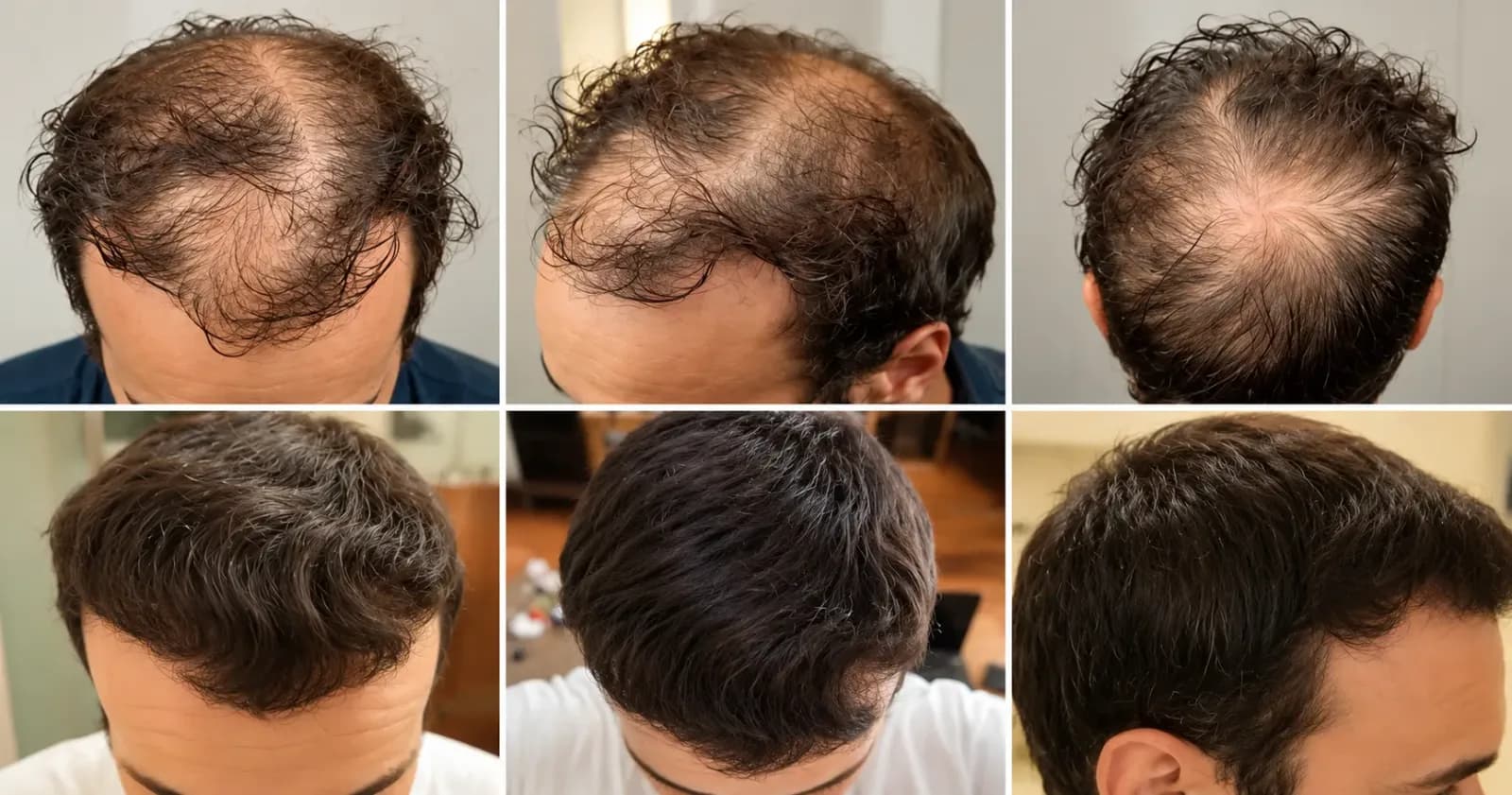
Dandruff does not usually cause lasting hair loss on its own. However, strong itch and inflammation can add to shedding, and scratching can break hair. People often have both problems at once, so it helps to treat them together in the right order.
The doctor will calm the scalp first. Once it is settled, a separate plan for thinning may include hair mesotherapy or GFC and PRP for hair, depending on the cause. Injections are not done on an inflamed or infected scalp. Read more about causes and options on our hair fall and thinning page.
When to see a doctor about dandruff
Book an assessment if:
- Flaking and itch have not improved after a few weeks of a medicated shampoo used correctly.
- The scalp is red, sore or swollen.
- You notice pus, crusting or oozing.
- Hair is falling out in patches.
- A rash spreads to your face, ears or neck, or appears after a new product.
- You are pregnant or breastfeeding, as some medicines are avoided.
Frequently asked questions
Can dandruff be cured permanently?
Dandruff, especially seborrhoeic dermatitis, tends to come and go throughout life. It cannot usually be switched off for good, but it can be kept well under control. A medicated routine during flares, followed by lighter maintenance washing, prevents most episodes. Expect it to return sometimes, particularly in hot, humid or stressful periods, and restart treatment early when it does.
Should I oil my hair if I have dandruff?
Heavy oiling left on for many hours, or overnight, can make some types of dandruff worse because the yeast behind it feeds on oil. That does not mean every scalp reacts the same way. If oiling is part of your routine, ask your doctor whether it suits your scalp, which oil to use and how long to leave it on.
How often should I wash my hair if I have dandruff?
There is no single rule. People with oily scalps, or those who sweat a lot in Delhi's heat, often need to wash more frequently than they expect. Your doctor will suggest a schedule that includes how often to use the medicated shampoo and how long to leave it on. Washing too rarely lets oil and flakes build up.
Is dandruff contagious?
No. The yeast linked to dandruff lives on almost everyone's skin, and dandruff happens because of how your scalp reacts to it. You cannot catch it from someone. A fungal scalp infection is different and can spread, especially among children, which is one reason why scaly patches with broken hair should be checked by a doctor.
Why does my dandruff get worse in winter?
Some people flare in winter because of dry air, hot showers and washing less often. Others flare in summer and the monsoon because of sweat and humidity. Both patterns are common in Delhi. Noticing your own pattern helps you increase medicated washing before your usual flare season begins.
If dandruff keeps returning despite a careful routine, a doctor can find the cause and set a routine that works. Book a free consultation at any of our four clinics in Vasant Vihar, Gurugram, Pitampura and Civil Lines.