



Laser and light-based treatments can help with active acne by calming breakouts, reducing oiliness and fading the marks pimples leave behind. They do not cure acne on their own, and they work most reliably alongside a doctor's medical plan of creams or tablets. Acne laser treatment suits mild to moderate acne and oily, congested skin, while severe or cystic acne needs medical control first.
This guide explains how laser works on active acne, who it suits, and how it compares with peels and medicines. Results vary from person to person.
Can laser really treat active acne?
Laser can help, but it is one part of the answer. Acne forms when oil, dead skin cells and bacteria block pores and cause inflammation. Hormones, genes, certain products and stress can all play a part.
Laser and light treatments act on some of these steps, such as excess oil and congestion, and on the marks left afterwards. They do not change hormones or genes. That is why a medical plan, good home care and follow-up remain important. Without them, breakouts can return once sessions stop.
How does laser work on acne?
At our clinics, the main in-clinic options for active acne are:
Carbon laser peel
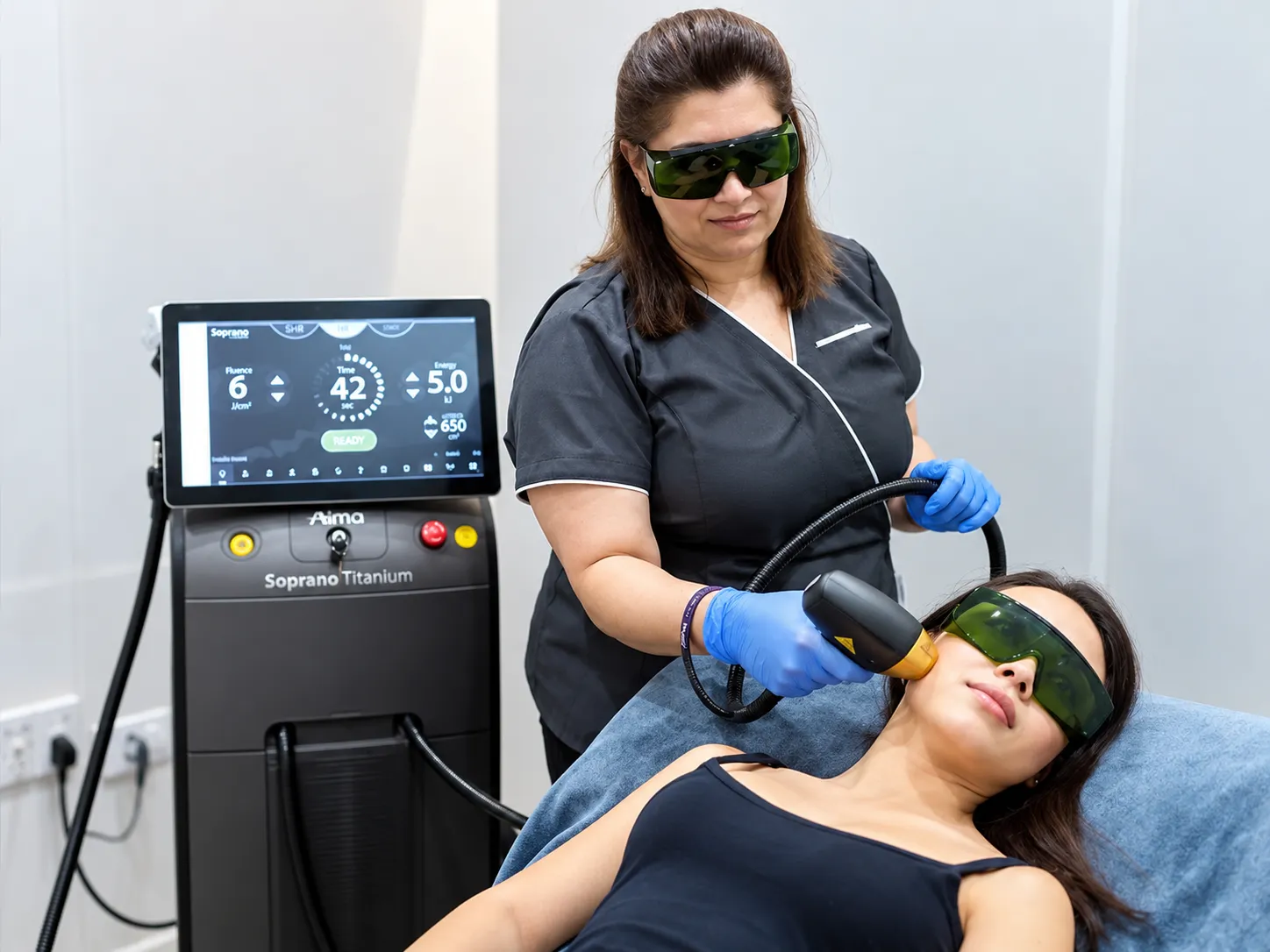
A thin layer of carbon lotion is applied to the skin. It settles into pores and binds to surface oil. A laser then heats and lifts the carbon away. This can help reduce oiliness and congestion and leave the skin feeling clearer. It suits oily, congested, breakout-prone skin. Read more about the carbon laser peel.
Laser toning for marks
After a pimple heals, it often leaves a dark or red mark. Laser toning uses gentle, low-energy pulses to target pigment, helping these marks fade over several sessions. It does not treat the pimple itself but helps the skin recover after breakouts. See laser toning for details.
Chemical peels alongside laser
Peels are not lasers, but they are often part of the same plan. They loosen dead skin, help clear blocked pores and fade marks. The doctor may alternate peels and laser sessions over time.
Laser vs peels vs medicines: which is right for you?
Each option does a different job. Many people do well with a combination.
| Option | What it does | Often suits | Limits |
|---|---|---|---|
| Prescription creams | Unblock pores, calm inflammation, reduce bacteria | Most acne, as the foundation of care | Need daily use for weeks; can cause dryness at first |
| Prescription tablets | Treat acne from inside, including hormonal or more severe acne | Moderate to severe or persistent acne | Need medical monitoring; some limit other procedures |
| Chemical peels | Exfoliate, clear blocked pores, fade marks | Blackheads, whiteheads, mild breakouts, dark marks | Several sessions; short peeling or dryness |
| Carbon laser peel | Helps reduce oiliness and congestion | Oily, congested, breakout-prone skin | Does not replace medical treatment |
| Laser toning | Fades dark marks after acne | Stubborn post-acne marks | Does not stop new pimples |
Your doctor will grade your acne, look for triggers and then choose the mix that fits your skin. For a broader look at causes and medical care, see our page on acne and breakouts.
Who is acne laser suitable for?
Acne laser often suits:
- Mild to moderate active acne, alongside medical treatment
- Oily, congested skin with frequent breakouts
- Dark or red marks left after pimples
- Breakouts on the back and chest
- People who want to reduce reliance on long-term tablets, with medical guidance
In Delhi, heat, humidity, sweat and pollution can make oily skin feel more congested in summer and the monsoon. In-clinic sessions can complement a home routine during these months.
Who should not have acne laser yet?
- Severe or cystic acne: deep, painful lumps need medical control first.
- Isotretinoin: if you are taking it, or have taken it recently, certain procedures usually need to wait.
- Pregnancy or breastfeeding: some options are not suitable.
- Active cold sores or skin infection on the face.
- A recent tan or heavy sun exposure.
- Strong retinoids or acids used without the doctor knowing.
Acne that suddenly appears in adulthood, comes with irregular periods or excess hair growth, or flares around the jawline may have a hormonal cause. The doctor may suggest tests or a referral alongside skin care.
How many sessions do you need, and what does it feel like?
Most people need several sessions, spaced a few weeks apart. Each session usually takes 20 to 45 minutes. The number depends on your acne, your marks and how your skin responds. You can find more on our laser acne treatment in Delhi page.
During a session, most people feel warmth, tingling or a light snapping. Eyes are protected throughout. Afterwards, the skin may look red or warm for a few hours, then feel slightly dry for a few days. Some people notice a short flare of small spots in the first weeks. This usually settles.
Side effects and warning signs
Normal reactions include redness or warmth for a few hours, mild dryness or light peeling, and a brief flare of small spots. Contact the clinic if you notice:
- Blisters, crusting or oozing
- Pain or swelling that keeps increasing
- New dark or light patches that do not fade
- Signs of infection, such as pus or fever
Our laser aftercare guide explains how to look after your skin between sessions.
Acne marks vs acne scars: does laser treat both?
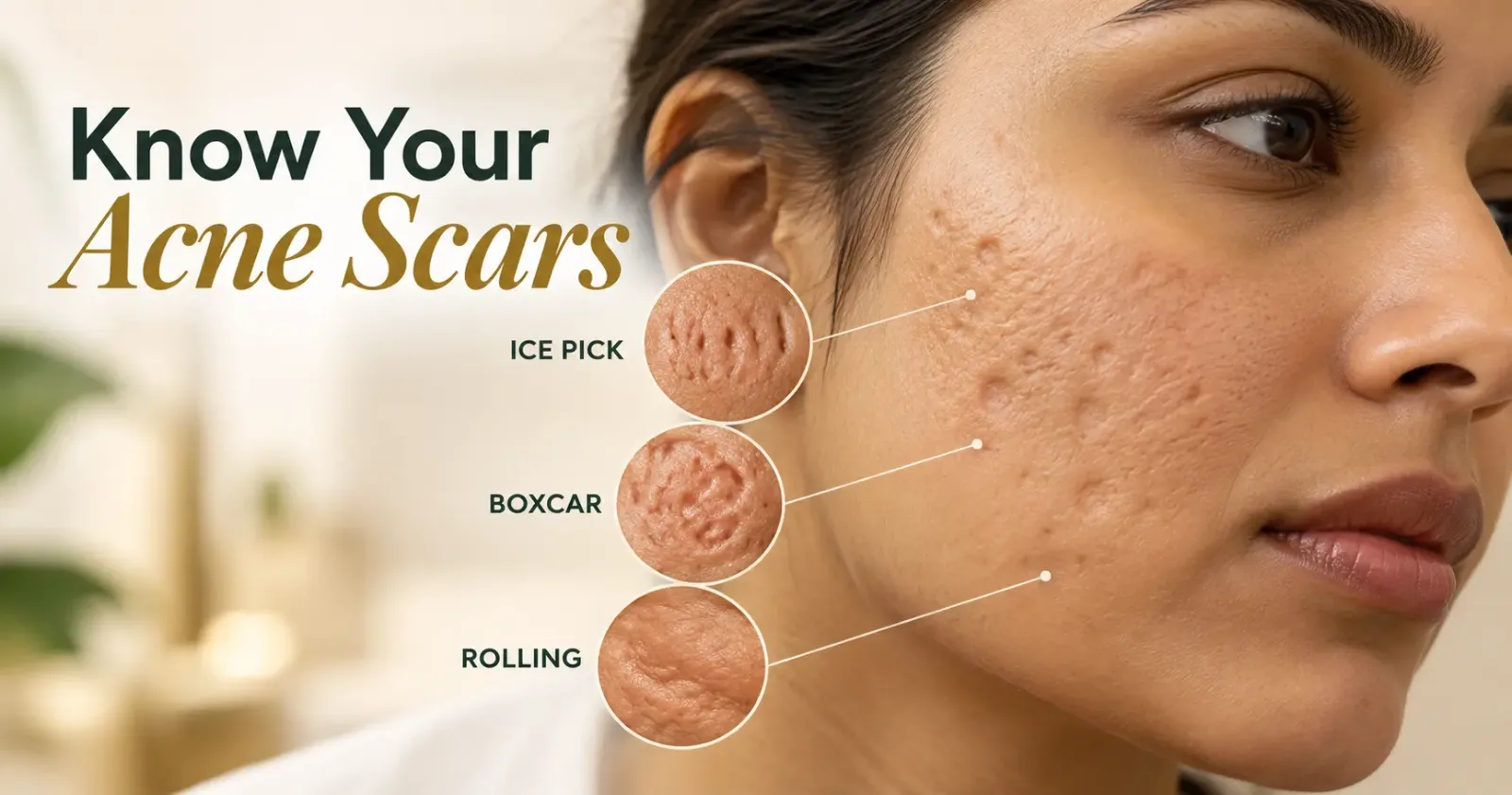
Dark and red marks are flat and sit in the skin's colour. They often fade with laser toning, peels and sun protection. Acne scars are different. They are pits, dents or raised areas in the skin's texture. They usually need resurfacing treatments such as CO2 laser or MNRF, which are planned once active acne is under control. Our page on acne scars explains these options.
Frequently asked questions
Can lasers cure acne for good?
No. Lasers and light treatments help calm breakouts, reduce oiliness and fade marks, but acne is often a long-term condition. Results last longer when the cause is managed with a medical plan and good home care. Some people need occasional maintenance sessions, especially during hot, humid months.
Is laser better than tablets for acne?
They do different jobs, so it is not a straight choice. Tablets treat acne from inside and are often needed for moderate to severe or hormonal acne. Laser helps with oiliness, congestion and marks. For many people, a combination works better than either alone. The doctor will advise on what suits your acne.
Can I have laser while taking acne tablets?
It depends on the medicine. Isotretinoin usually means waiting before certain procedures, and the doctor will advise on timing. Some other tablets can be used alongside in-clinic care. Always tell the doctor about every tablet, cream and supplement you use, including those prescribed elsewhere.
Will my acne get worse after laser?
Some people notice a short flare of small spots in the first weeks, as congestion clears. This usually settles. If you see painful lumps, blisters, crusting or signs of infection, contact the clinic. Keep using your prescribed acne treatment and do not pick or squeeze spots.
Is acne laser safe for Indian skin?
It can be, with settings chosen for your skin type and strict sun protection. Darker skin has a higher risk of temporary dark patches after any heat-based treatment, so sessions are not rushed and a recent tan means waiting. Daily broad-spectrum sunscreen is essential, especially in Delhi's strong sun.
Can I wear makeup after a session?
It is better to avoid heavy makeup for a day after a session to let the skin settle. Use a gentle cleanser, a non-comedogenic moisturiser and sunscreen. After that, choose non-comedogenic products that are less likely to block pores, and remove makeup fully every night.
If you are struggling with breakouts, a doctor can assess your acne and build a plan that combines medical care with the right in-clinic treatment. Book a free consultation at any of our four clinics in Vasant Vihar, Gurugram, Pitampura or Civil Lines.