





Yes, warts are contagious. They are caused by the human papillomavirus (HPV) and spread through skin contact, shared towels and razors, and damp floors. Most warts are harmless, but home remedies often fail because they do not reach the whole wart and can damage the skin around it. Doctor-led wart removal with cautery, freezing or laser is a safer route when a wart is spreading, painful or simply bothering you.
Below we explain how warts spread, the main types, why they keep coming back, and what each removal method can and cannot do. Results vary from person to person.
Are warts contagious, and how do they spread?
Warts spread when the virus enters the skin through tiny cuts or cracks. You can catch them from another person, or spread them on your own body. Common routes include:
- Direct skin contact, such as shaking hands with someone who has warts on their fingers
- Sharing towels, razors, nail clippers or socks
- Walking barefoot on wet floors in gym showers, changing rooms and swimming pools
- Picking, biting or shaving over a wart, which carries the virus to nearby skin
Not everyone who is exposed gets warts. Your immune system plays a big part. Warts can also take weeks or months to appear after contact, so it is often hard to know where they came from. In Delhi's monsoon months, damp feet and shared footwear can make plantar warts more common.
What are the different types of warts?
- Common warts: rough, raised bumps, usually on the hands, fingers and knees.
- Flat warts: small, smooth, slightly raised spots, often in clusters on the face, neck or legs. Shaving can spread them in lines.
- Plantar warts: on the soles of the feet. They are pressed flat by walking, can feel like a stone in your shoe, and often show tiny black dots.
- Filiform warts: thin, thread-like growths, often around the mouth, nose or eyelids.
- Periungual warts: around the fingernails or toenails, often linked to nail biting.
- Genital warts: these need separate medical care and are not treated as a cosmetic procedure at our clinics. Our doctors can guide you discreetly on where to go.
Is it a wart, or something else?
Several common growths look like warts. A corn on the foot can be mistaken for a plantar wart. Skin tags, moles, molluscum and age-related spots can also look similar. Occasionally, a growth that looks like a wart is something that needs testing.
This is why a doctor should confirm the diagnosis before any removal. If a growth turns out to be a skin tag or mole, a different approach is used. You can read about mole and skin tag removal separately, and about how moles are assessed on our mole removal page. A growth that bleeds without injury, changes colour or grows quickly should always be checked.
Why do home remedies for warts often fail?
Many people try home remedies first. Some warts do clear on their own in time, especially in children, but home treatments often fail or cause problems for these reasons:
- They do not reach the root. Warts sit in the top layers of skin, and surface treatments may remove only the visible part.
- They burn healthy skin. Apple cider vinegar, garlic, lime and strong acids can cause burns, blisters and dark marks, especially on the face and on Indian skin.
- Cutting and tying cause bleeding. Thread, blades and nail clippers can lead to infection and spread the virus to new spots.
- They are slow and easy to stop. Over-the-counter wart paints need weeks of daily use, and many people stop too early.
- The growth may not be a wart. Treating the wrong thing at home can delay proper care.
Over-the-counter acid treatments can help some small warts on the hands. They are not suitable for the face, the genital area or for people with diabetes or poor circulation in the feet. Please ask a doctor before using them.
What are the safe removal options?
No single method suits every wart. The doctor chooses based on the wart's type, size, number and location, and on your skin.
| Method | How it works | Often used for | Things to know |
|---|---|---|---|
| Radiofrequency cautery | Removes wart tissue with controlled heat after numbing | Common and filiform warts | Small scab that heals over one to two weeks |
| Cryotherapy | Freezes the wart so it blisters and falls off | Common warts on hands and fingers | Can sting briefly; may need repeat visits; can leave a light patch on darker skin |
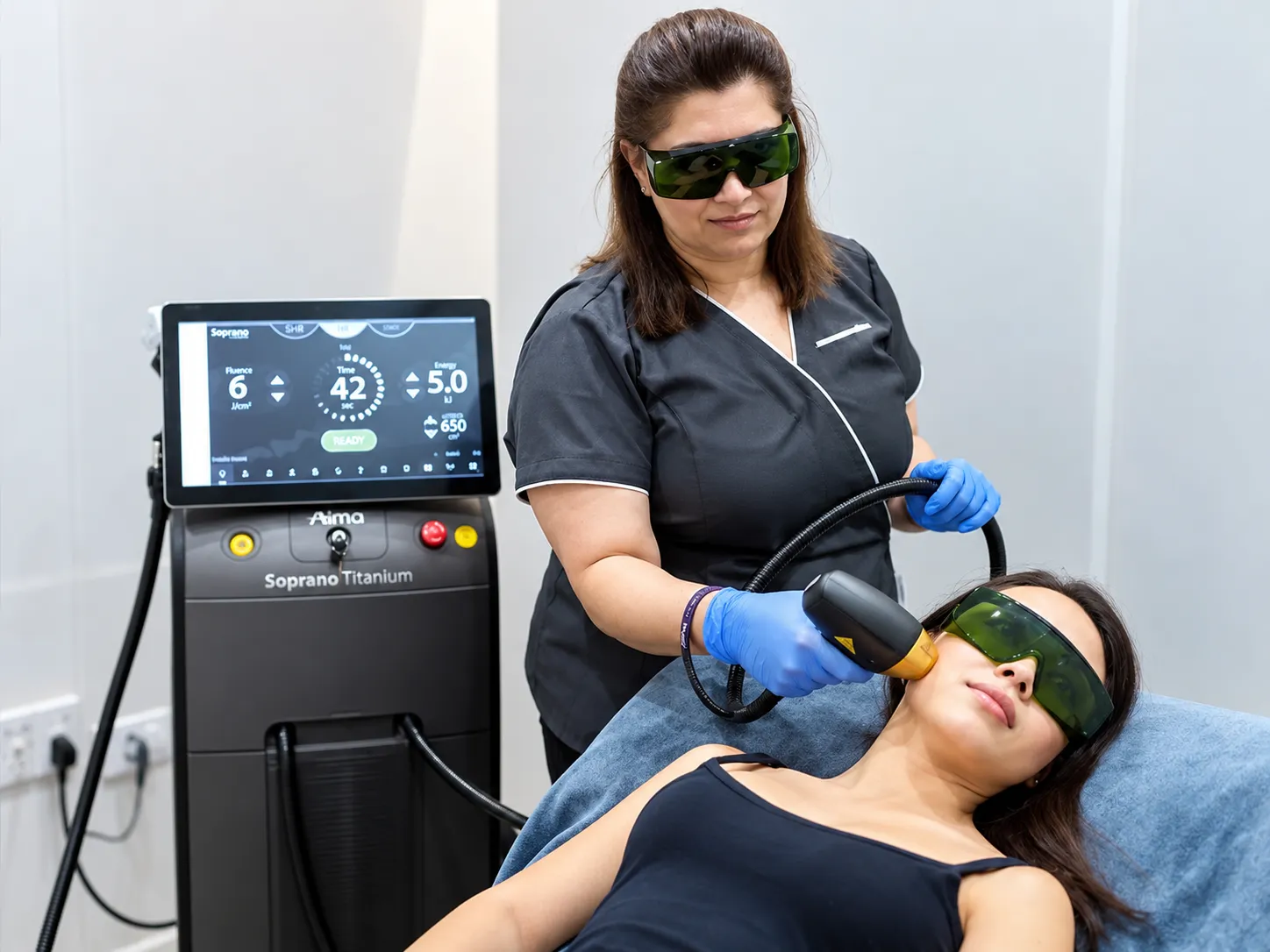
| Laser | Targets wart tissue with light energy after numbing | Selected stubborn warts | Choice depends on location and skin type |
| Prescription creams | Help the skin shed or respond to the wart | Flat warts, or alongside a procedure | Slow; can irritate the skin |
Many small warts need only one visit, while thick warts on the soles may need two or three. You can read more about how cautery works. Facial and flat warts need a gentle approach to limit marks.
Will warts come back after removal?
They can. Removing a wart does not clear the virus from your body. Some people never get another wart. Others see new ones in the same area or elsewhere, sometimes months later.
You can lower the chance of new warts by not picking or biting, keeping feet dry, wearing slippers in shared showers, not sharing towels or razors, and treating new warts early while they are small. If you have many warts, weak immunity or warts that keep returning, your doctor may suggest a staged plan with follow-up visits.
Who needs extra care before wart removal?
Tell the doctor if any of these apply to you:
- Pregnancy or breastfeeding, as some methods may be delayed
- Blood thinners or a bleeding disorder
- A history of keloids or raised scars
- Diabetes or poor circulation, especially for foot warts
- Weak immunity, or medicines that suppress the immune system
- A growth that is infected, bleeding or changing quickly
What is recovery like, and when should you call the clinic?
Recovery is usually quick. Mild redness, stinging or tenderness for a few days is normal. Cryotherapy may leave a small blister. Temporary light or dark marks can take weeks to fade, so use sunscreen on healed facial areas. Let scabs fall off on their own.
Contact the clinic if you notice increasing pain, swelling, warmth or pus, bleeding that does not stop with gentle pressure, a fever, or a wound that has not healed after two weeks.
Frequently asked questions
Can warts spread to other people in my family?
Yes, warts can pass between family members through close skin contact and shared items. Use separate towels, nail clippers and razors, and avoid walking barefoot at home if someone has plantar warts. Children often pick up warts at school or swimming. Keeping warts covered and treating them early helps lower the chance of spread.
Do warts go away on their own?
Some do, especially in children, but it can take many months or longer. During that time, the wart can spread or grow. If a wart is painful, spreading, on your face, or catching on clothes, it is reasonable to have it assessed rather than waiting. A doctor can tell you whether treatment is worth it now.
Does wart removal hurt?
Cautery and laser are done after numbing, so most people feel only mild discomfort. Cryotherapy can sting for a short time as the area freezes. Afterwards, the spot may feel tender for a few days. Plantar warts can be more sore while walking until they heal.
Will wart removal leave a scar?
Most small warts heal with little or no mark. Any procedure can leave a small scar or a change in colour, especially on darker skin or in people prone to keloids. Following aftercare, not picking scabs and using sunscreen all help lower this risk. Your doctor will discuss this before treatment.
Can children have warts removed?
Children are often assessed with a parent present. Many childhood warts clear on their own, so the doctor may suggest gentle care or waiting, depending on the wart. If removal is needed, the method is chosen with comfort in mind. Older children usually manage numbing and quick procedures well.
Can I go to the gym or swim after wart removal?
Keep the area clean and dry for the first few days, as advised. Avoid swimming pools and shared showers until the wound has healed, both to protect the area and to avoid spreading the virus. Wear slippers in changing rooms. Your doctor will tell you when it is safe to return.
If you have a wart that is spreading, painful or simply in the way, a doctor can confirm what it is and recommend the right method for your skin. Learn more about wart removal in Delhi, or book a free consultation at any of our four clinics.