



Low-level laser therapy (LLLT) can help some people with early to moderate pattern hair loss, but the effect is usually modest and depends on regular use for months. It uses gentle red light that does not heat or cut the skin, and it does not regrow hair on areas that have been bald for a long time. If you are thinking about a laser hair cap treatment in Delhi, it works most reliably as one part of a wider plan, not on its own.
What is low-level laser therapy for hair?
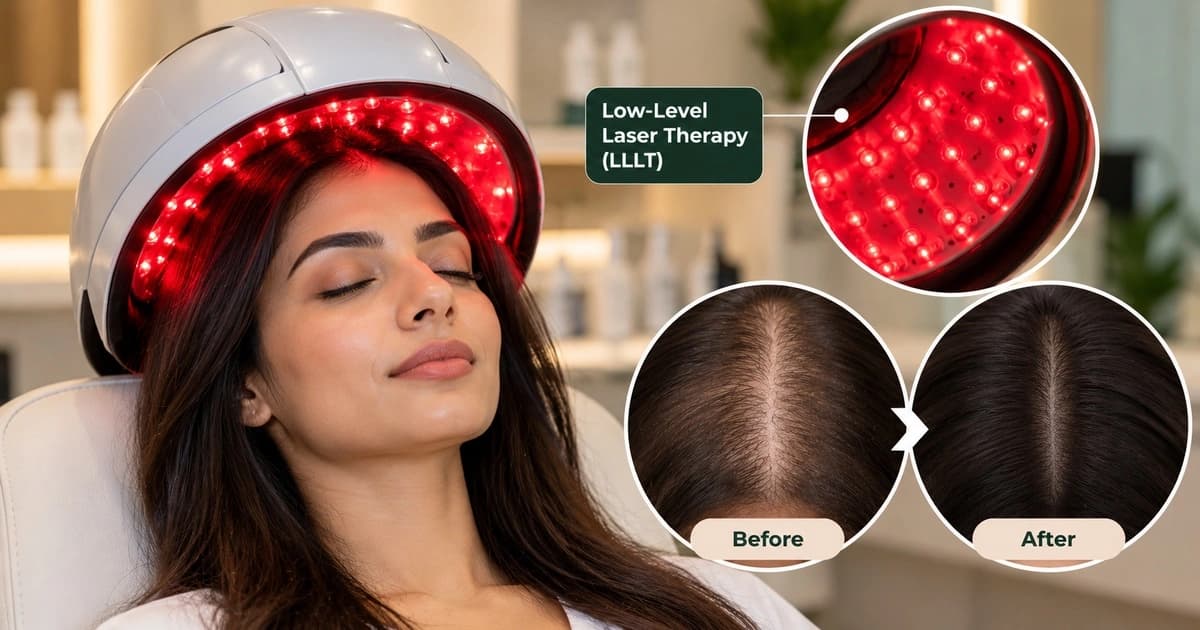
LLLT, also called red light therapy or photobiomodulation, delivers low-energy red light to the scalp through a cap, helmet or panel. The light is thought to support the energy activity of cells in the hair follicle and help follicles stay in the growing phase for longer.
A session takes about 20 to 30 minutes. You sit and relax while the device is placed over your scalp. Most people feel nothing, or slight warmth. There is no downtime, no needles and no recovery.
Does it actually work?
Studies suggest LLLT can reduce thinning and improve hair thickness in some people with early pattern hair loss. The key words are some and modest.
- It tends to help hair that is thinning, not areas that are already bald.
- Changes are usually gradual: less shedding, slightly thicker strands, a little more coverage.
- Some people see little or no change.
- Benefits tend to fade if you stop.
Results vary. It is fair to see LLLT as a supportive, low-risk add-on rather than a main treatment.
Who may benefit from laser therapy for hair?
- Adults with early to moderate pattern thinning, in men or women
- People with a thinning crown, a widening parting or reduced density
- Those who want a no-needle, no-downtime option alongside other care
- People supporting their hair after other treatments, including a transplant
- Anyone able to commit to several sessions a week for months
If your hair fall is sudden, patchy or comes with other symptoms, see a doctor first. Thyroid problems, low iron, hormonal changes and scalp conditions all need their own treatment. Our page on hair fall and thinning explains how causes are checked.
How long before I see results?
Expect to wait. Hair grows slowly, and LLLT works over several hair cycles.
- First weeks: usually no visible change. A short phase of extra shedding can happen in some people.
- Three to six months: the earliest point at which most people see any difference, if they respond.
- Six to twelve months: a fairer time to judge whether it is worth continuing.
Progress is easier to judge with photos taken in the same light at each review. Your doctor will compare these rather than relying on how your hair feels day to day.
How often do I need sessions?
LLLT needs consistency. Sessions are usually repeated several times a week, and gains tend to fade if you stop. After an initial phase, your doctor may suggest a maintenance schedule. If you know you cannot commit to frequent visits, say so at consultation, as another option may suit your routine better.
LLLT vs other hair treatments: how does it fit in?
LLLT is gentle and easy, but it is usually less powerful than other options. Many people use it alongside them.
| Point | Low-level laser therapy | PRP or GFC | Hair mesotherapy |
|---|---|---|---|
| How it works | Red light delivered to the scalp | Concentrate from your own blood injected into the scalp | Nutrient-based solution delivered into the scalp |
| Needles | None | Yes | Yes |
| Downtime | None | Usually minimal | Usually minimal |
| Frequency | Several times a week, ongoing | A course of sessions, then maintenance | A course of sessions, then maintenance |
| Expected effect | Usually modest | Varies; often used for early to moderate thinning | Varies; often used as support |
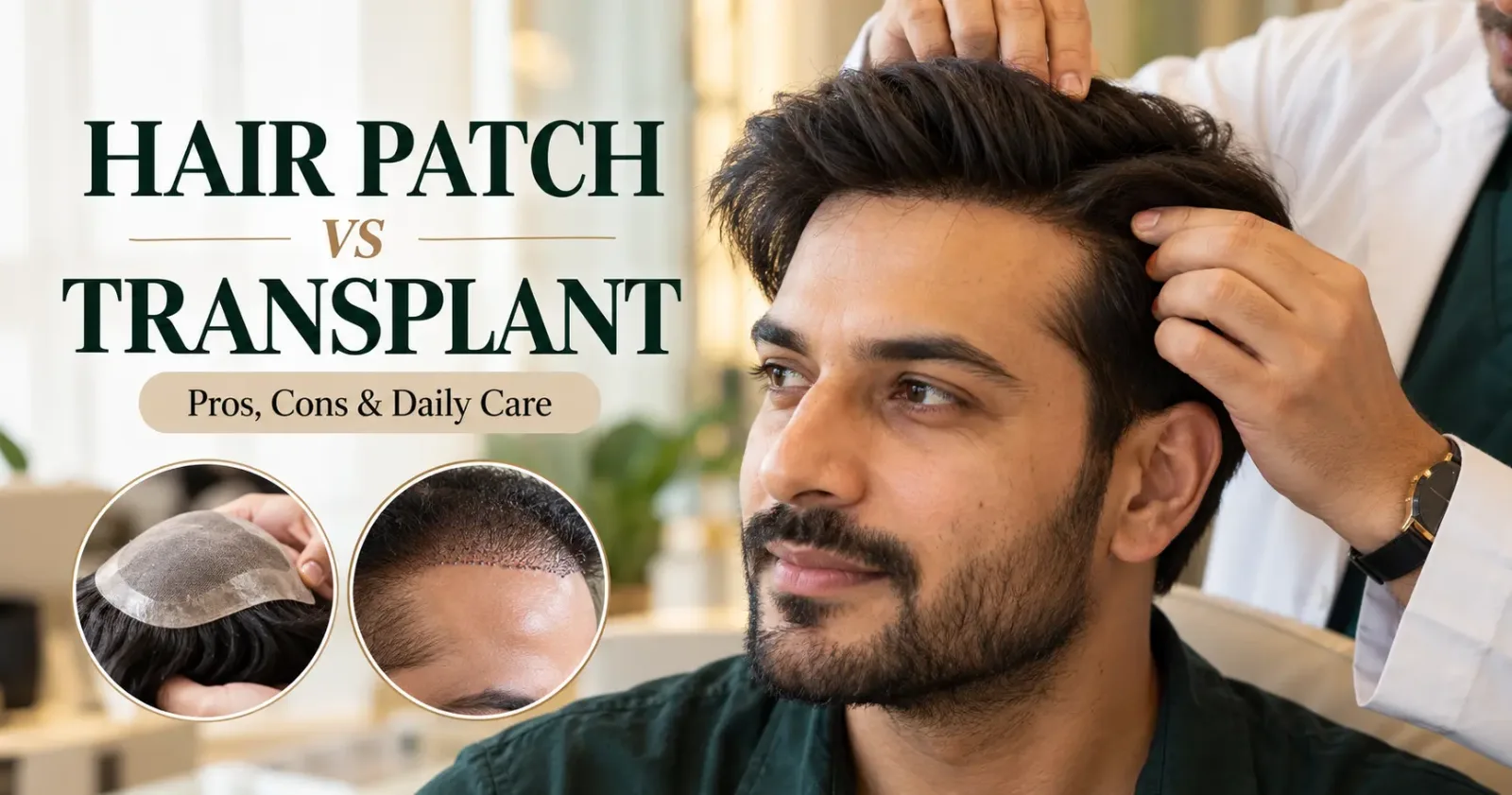
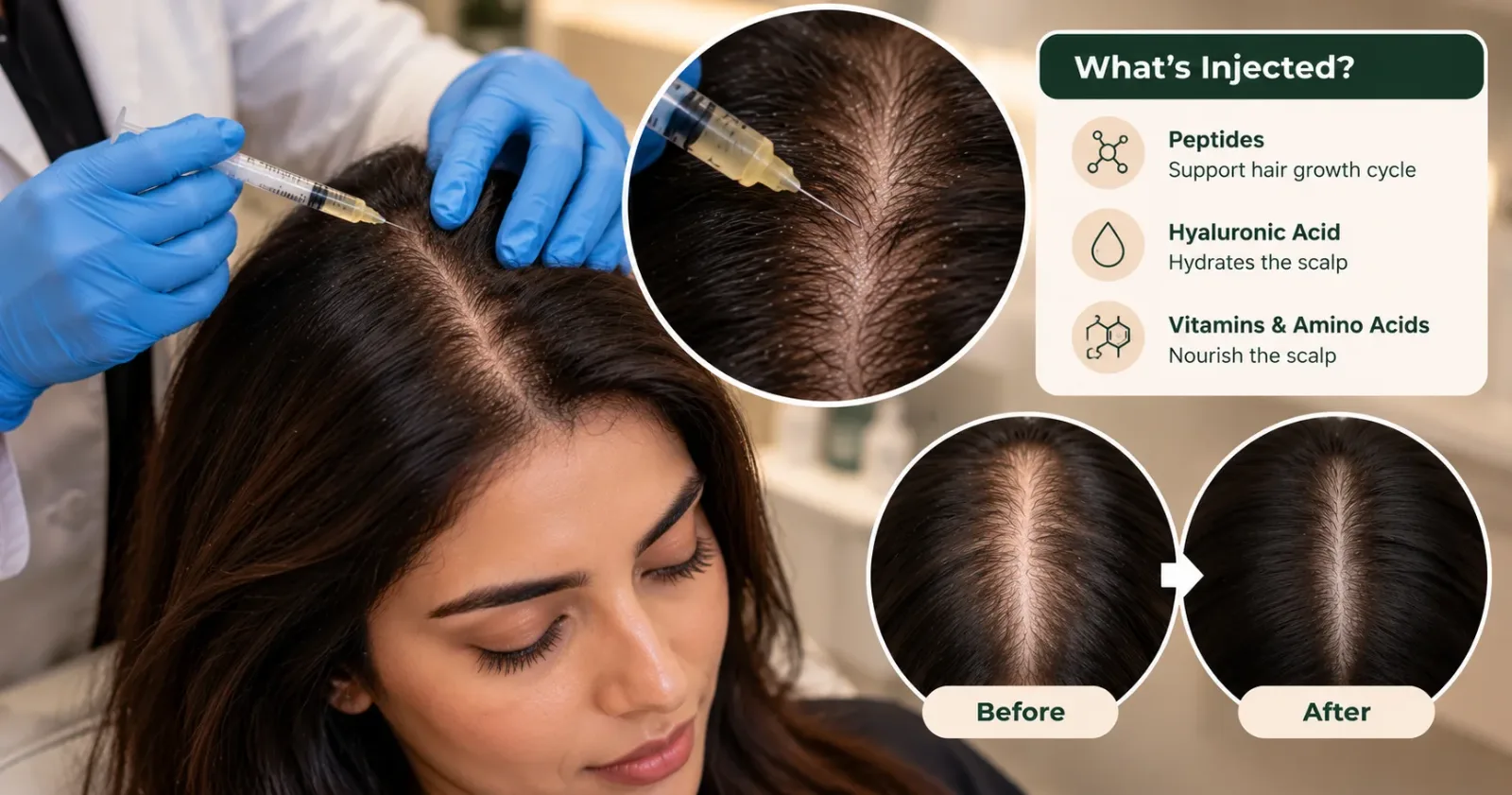
Your doctor may suggest combining LLLT with GFC and PRP hair treatment, hair mesotherapy or prescription medicines, depending on your pattern of hair loss.
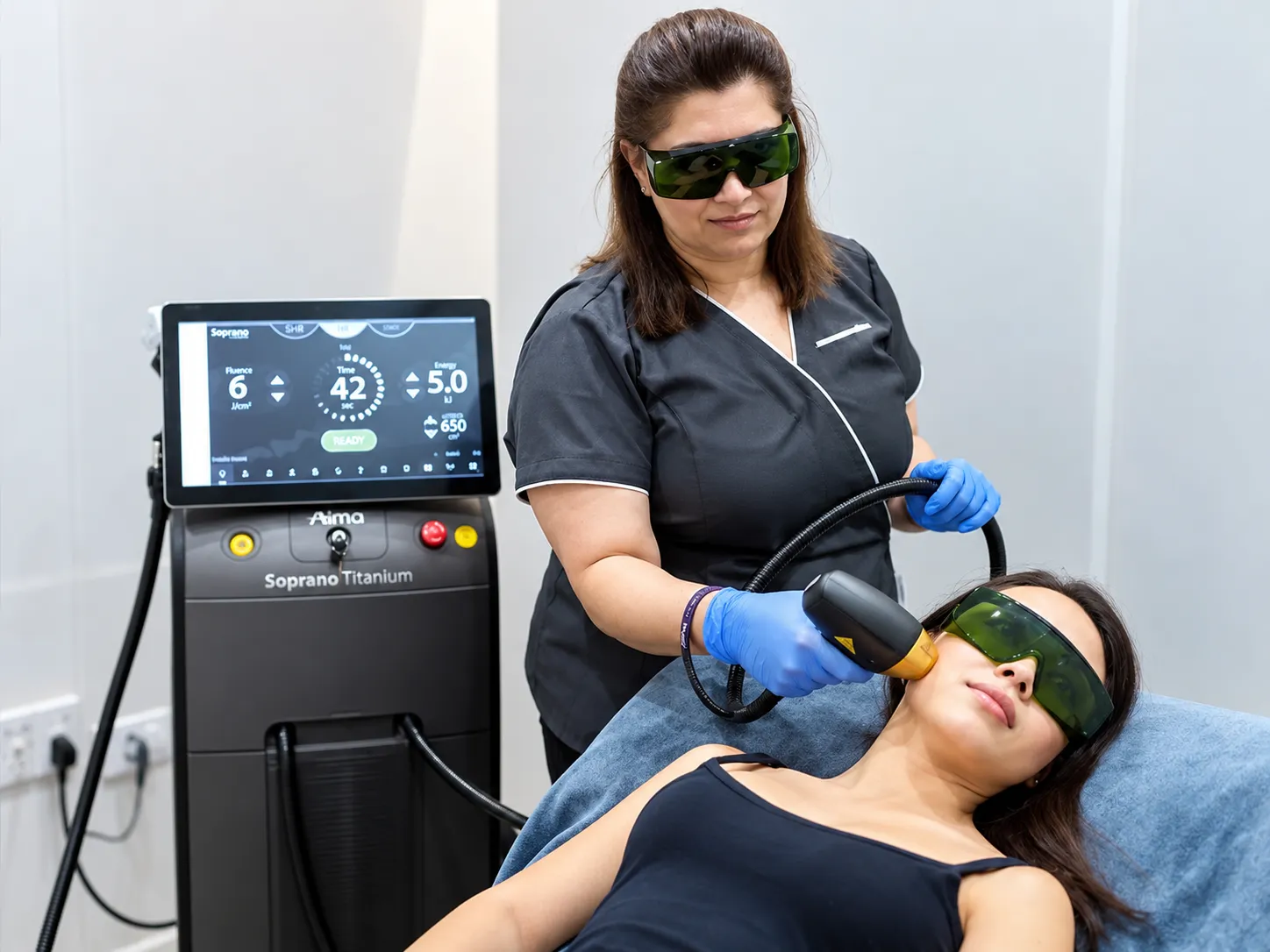
Is LLLT the same as laser hair removal?
No, they are opposites in purpose. Laser hair removal uses targeted heat to disable follicles so hair stops growing. LLLT uses low-level light that does not heat or damage the follicle. The two use very different energy levels and are not interchangeable.
Who should avoid laser therapy for hair?
- Pregnant or breastfeeding women
- People taking medicines that make the skin sensitive to light
- Those with light-sensitive conditions or a history of skin cancer on the scalp
- Anyone with an active scalp infection, wounds or untreated scalp disease
- People with eye conditions sensitive to light, unless their doctor agrees
Side effects are uncommon and usually mild, such as slight warmth or itching. Tell your doctor if you notice scalp redness, burning or a rash that does not settle, headaches or eye discomfort during or after sessions, or sudden or patchy hair loss.
Tips to get more from LLLT in Delhi
- Come with a clean, dry scalp. Heavy oils, serums and sprays can block light.
- Protect your scalp from strong sun with a cap, especially in summer.
- Keep the scalp clean in the humid monsoon to avoid build-up and itching.
- Keep to your schedule. Missed sessions are the most common reason for disappointing results.
- Continue any other treatment your doctor has prescribed.
Frequently asked questions
Can red light therapy regrow a bald patch?
Usually not. LLLT works on follicles that are thinning but still active. Areas that have been bald for a long time often have no working follicles left to respond. Patchy hair loss can also be a sign of alopecia areata, which needs a doctor's assessment. For long-standing bald areas, other options such as a transplant may be discussed.
Are home red light caps the same as in-clinic treatment?
Devices differ in their light source, power and how evenly they cover the scalp, so they are not all the same. Whatever you use, it works only with regular, long-term use. A doctor's assessment first makes sure LLLT suits your type of hair loss and that a medical cause is not being missed.
Is low-level laser therapy safe?
For most people it is low risk, with no downtime. Side effects are uncommon and usually mild, such as slight warmth or itching. It is not suitable for everyone, including people on light-sensitising medicines or with certain skin or eye conditions. Tell your doctor about all medicines before starting.
Can I use LLLT after a hair transplant?
Yes, some people use LLLT to support their hair after a transplant, once the scalp has healed and their doctor agrees. It does not speed up the growth timeline dramatically, but it may help support existing hair around the grafts. Follow your doctor's advice on when to start.
What happens if I stop LLLT?
Pattern hair loss is ongoing, so gains from LLLT tend to fade gradually after you stop. Some people move to a lighter maintenance schedule instead of stopping completely. Your doctor will review your photos and progress and help you decide whether continuing is worth it for you.
Does LLLT work for women?
It can help some women with early pattern thinning, such as a widening parting. Women's hair loss often has several causes at once, including hormones, iron levels and thyroid function, so these need checking first. LLLT then makes most sense as part of a plan that may include other treatments.
If you would like an honest view on whether a laser hair cap is worth adding to your hair plan, book a free consultation at Vasant Vihar, Gurugram, Pitampura or Civil Lines. Our doctors will check the cause of your thinning first.