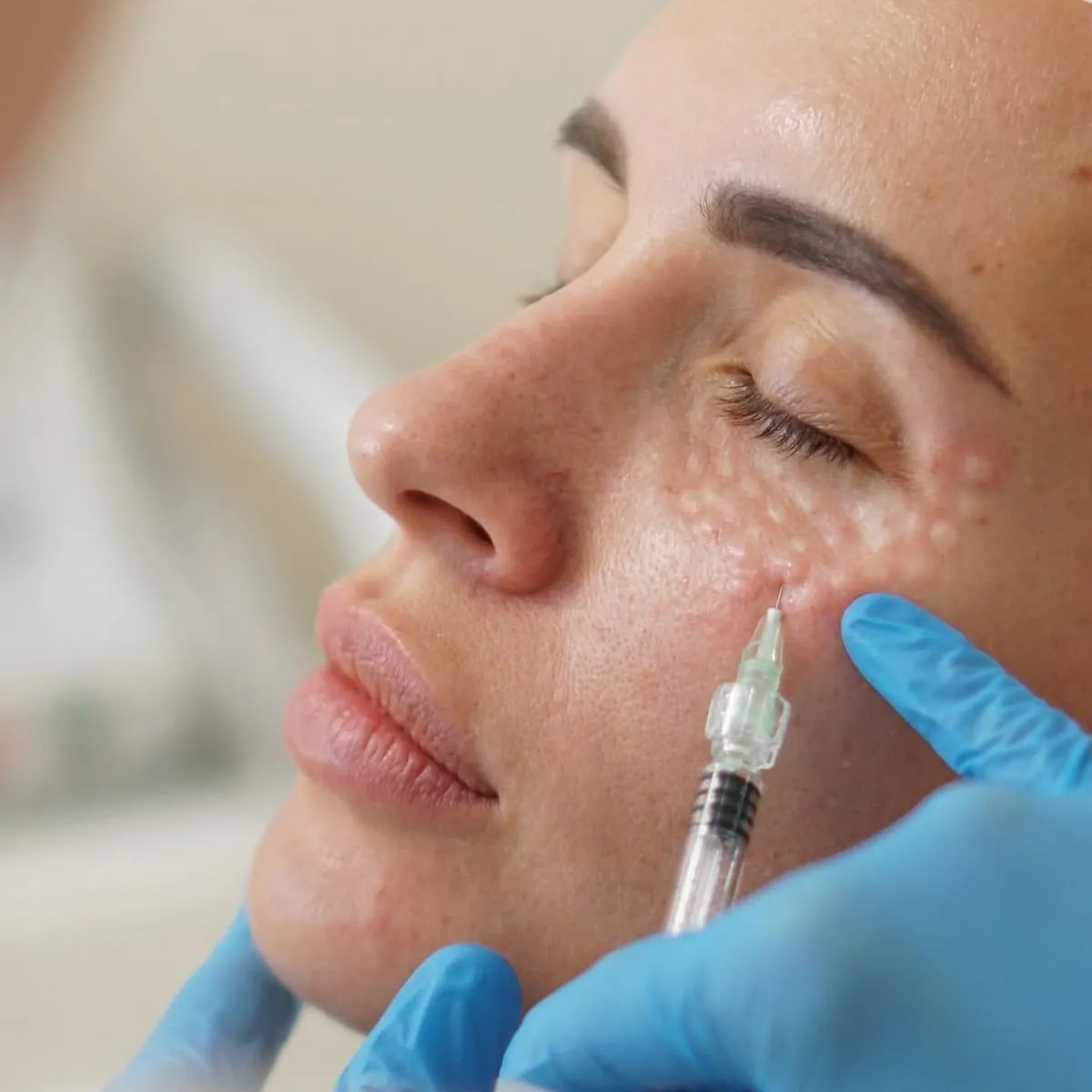


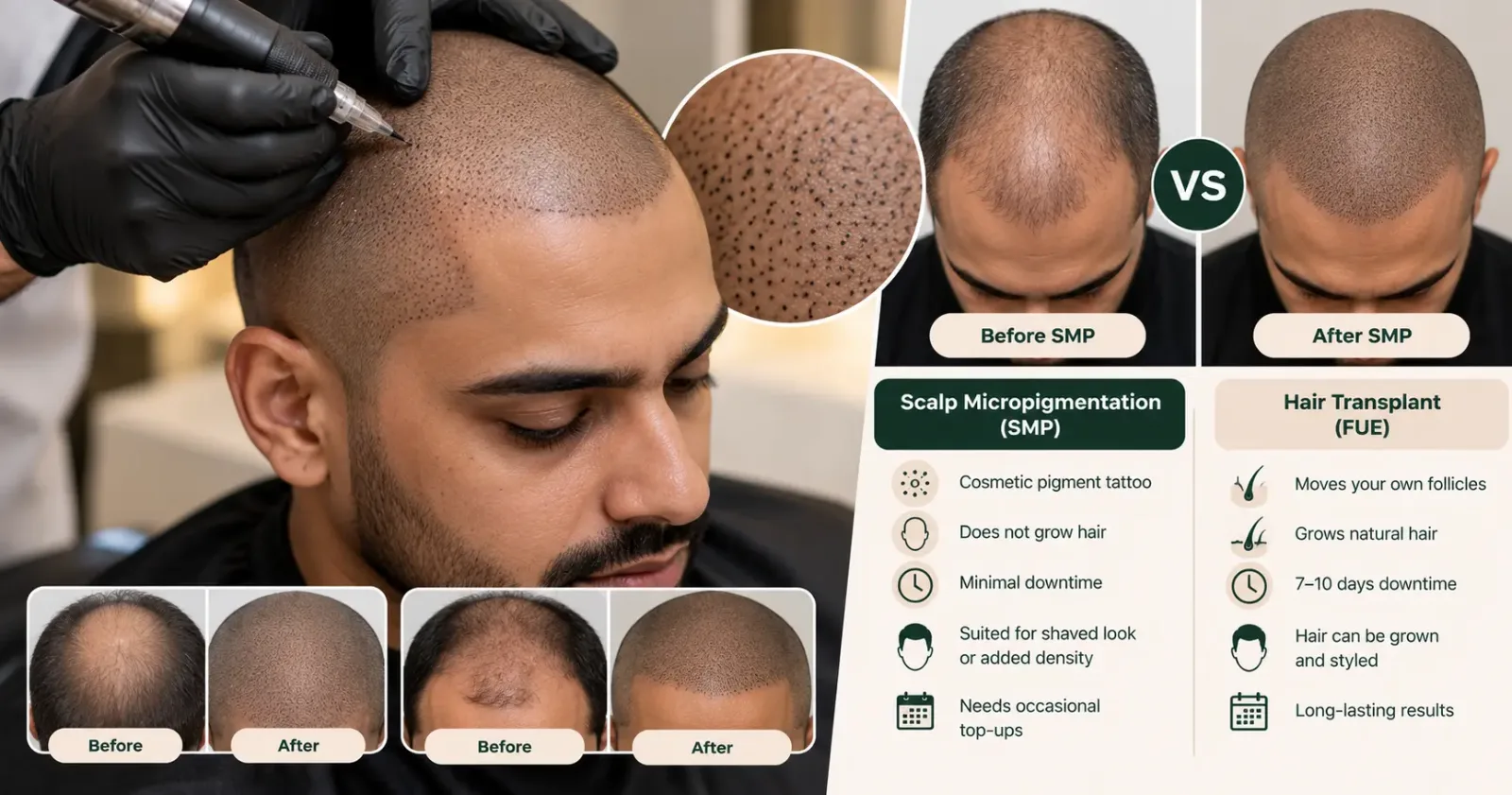
Scalp micropigmentation (SMP) is a cosmetic tattoo for the scalp. Very fine dots of pigment are placed in the upper skin to look like tiny hair follicles or short stubble, which can create the look of a buzz cut, make thinning areas look denser or hide scars. It does not grow hair, so it suits people who want camouflage rather than regrowth. This guide explains how it looks over time and how it compares with a transplant, so you can decide whether scalp micropigmentation in Delhi is right for you.
How does scalp micropigmentation work?
A fine needle places tiny dots of pigment in layers. The dots are varied slightly in size and depth so they look like natural follicles rather than a flat block of colour. The shade is matched to your skin tone and hair colour.
Most people need two to three sessions, usually a week or more apart. Each session takes around two to four hours. The first session lays down a light base, and later sessions add depth and fill gaps. Building up slowly gives a softer, more realistic result.
Who is scalp micropigmentation suitable for?
SMP can work well for:
- People with advanced hair loss who are happy to keep a very short, buzz-cut style
- Men and women with thinning at the crown or parting who want the scalp to show less under longer hair
- People with scars from surgery, injury or a past hair transplant
- Those who are not suitable for a transplant, or do not want surgery
- People who want to add the look of density behind transplanted hair
It is less suitable if you want your own hair to grow back, if your hair loss is patchy and still changing, or if you are unsure about a long-lasting tattoo on your scalp.
What does SMP look like over time?
This is the question people most often forget to ask. SMP changes as the years go by, and planning for that leads to a better long-term result.
The first few weeks
Dots look darker and slightly sharper at first. As the skin heals, they soften and settle into a more natural shade. Mild redness and tiny flakes in the first days are normal.
Years one to several
Pigment fades gradually. Sun exposure is the main reason it fades faster, which matters in Delhi, where the scalp is exposed to strong sun for much of the year. Sweat, frequent exfoliation and some scalp products can also shorten its life.
Top-ups
Most people need occasional top-up sessions to keep the look fresh. A top-up is usually shorter than the first treatment.
As your own hair changes
Your natural hair may continue to thin, or turn grey. The SMP pigment does not change colour with it. If you grey significantly, the contrast between dots and surrounding hair may need adjusting at a top-up. Thinking about this at the design stage helps.
When dots are placed too deep or too large, they can blur or take on an unwanted tone. This is why fine, careful technique and a conservative, age-appropriate hairline matter.
SMP vs hair transplant: which is right for you?
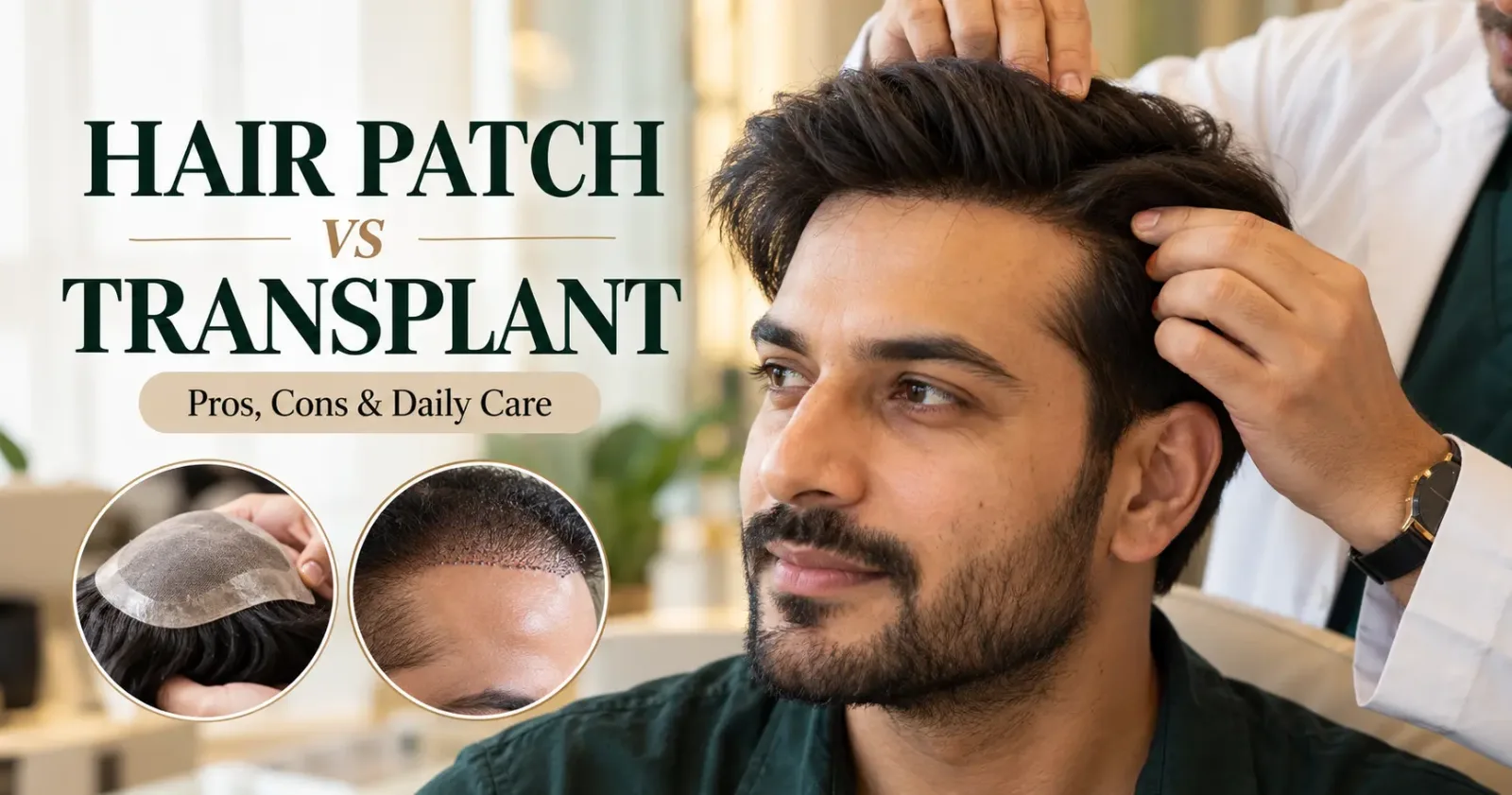
They solve different problems. A hair transplant moves real follicles and grows hair. SMP creates the look of follicles without any hair. Some people use both.
| Point | Scalp micropigmentation | Hair transplant (FUE) |
|---|---|---|
| What it is | Cosmetic pigment tattoo | Minor surgery moving your own follicles |
| Grows hair | No | Yes |
| Needs donor hair | No | Yes, a healthy donor area is essential |
| Downtime | Minimal, about 2 to 3 days | About 7 to 10 days |
| When you see the result | After the first session | Gradually, over 9 to 12 months |
| Hairstyle | Suits very short hair or as density behind longer hair | Hair can be grown and styled |
| Upkeep | Occasional top-ups as pigment fades | Ongoing care to protect existing hair |
| Can it be undone? | Removal is possible with several laser sessions but may be incomplete | Transplanted hair keeps growing |
A transplant may fit better if you have a good donor area and want hair you can style. SMP may fit better if your donor area is limited, you like a shaved look, or you want to avoid surgery. Your doctor will help you weigh these after examining your scalp.
Can SMP be combined with other hair treatments?
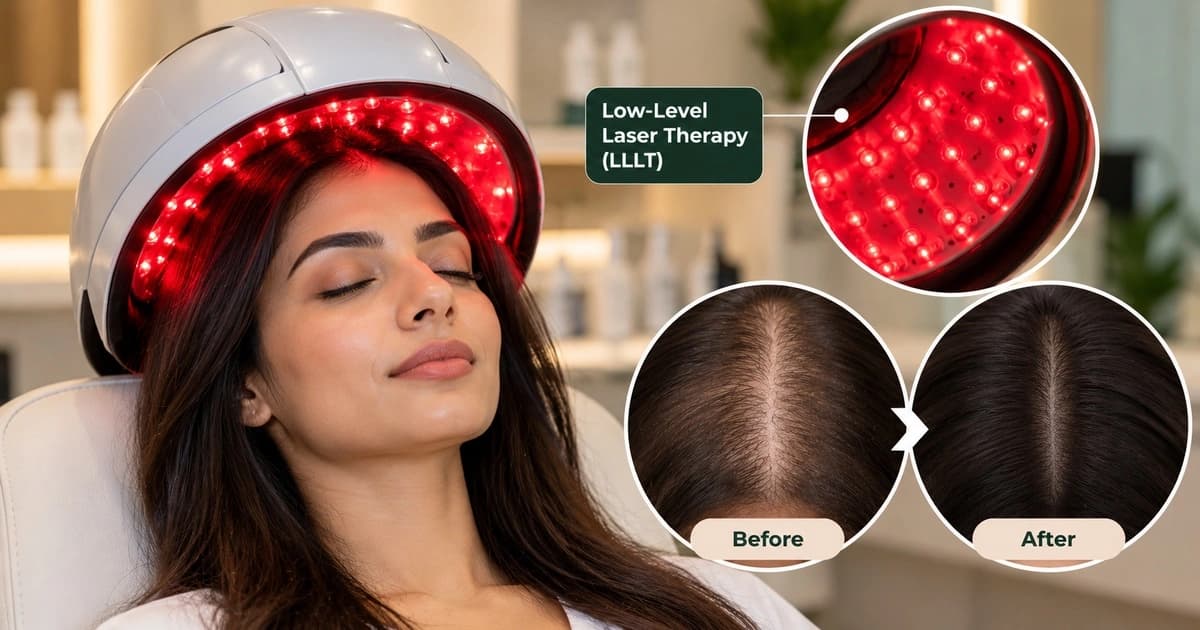
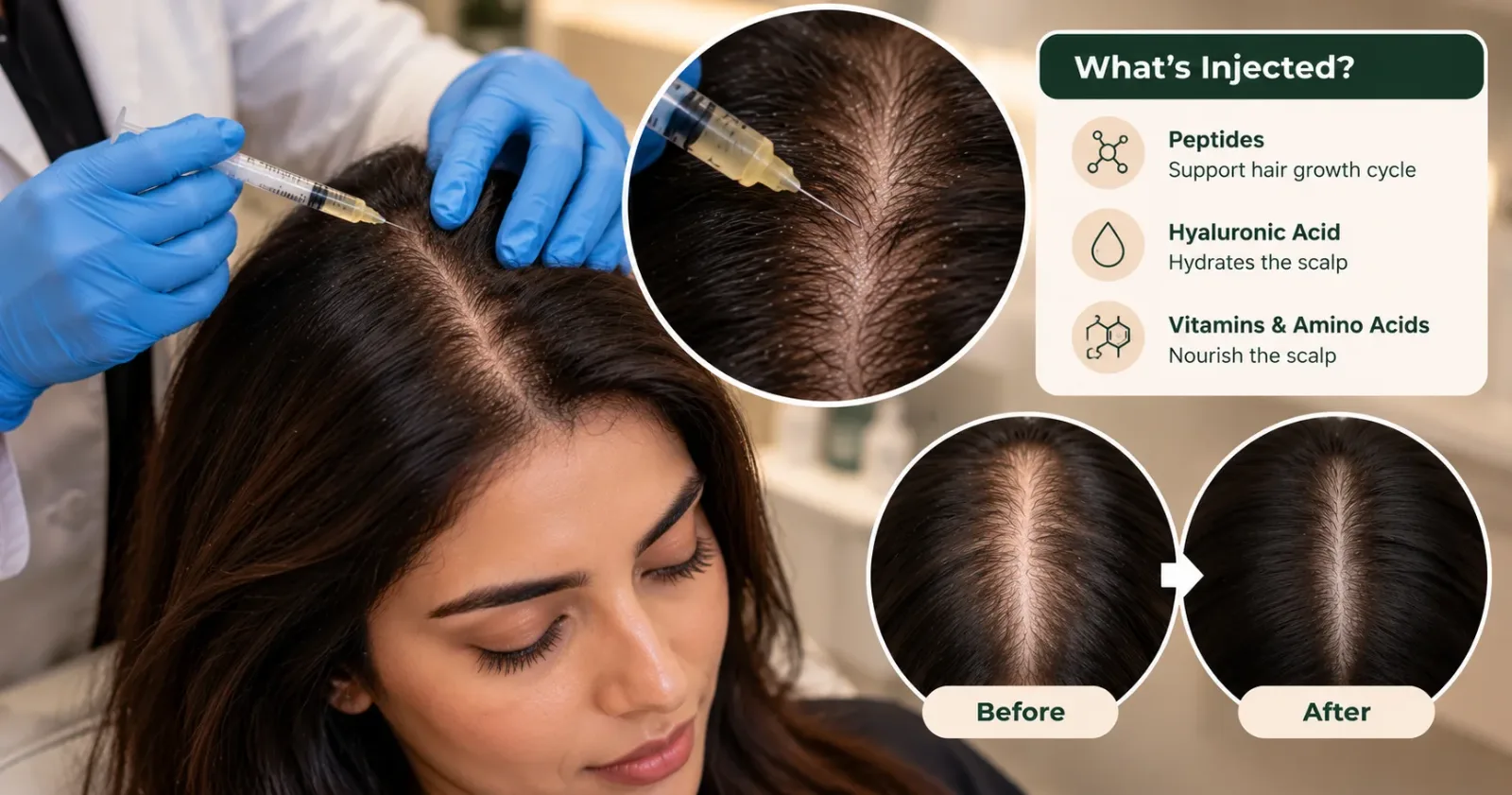
Yes. SMP is camouflage, so it pairs well with treatments that support your own hair. If you still have thinning hair you want to protect, your doctor may suggest GFC and PRP hair treatment or hair mesotherapy alongside it. The timing between treatments matters, so plan these together with your doctor.
If you have not yet found out why your hair is thinning, start there. Our page on hair fall and thinning covers common causes and how they are checked.
Who should not have scalp micropigmentation?
Your doctor may advise waiting or choosing another option if you:
- Are pregnant or breastfeeding
- Have an active scalp infection, psoriasis, eczema or acne on the scalp
- Have a history of keloids or raised scars
- Have a known allergy to pigments, tattoo inks or numbing cream
- Take blood thinners or have a bleeding disorder
- Have patchy hair loss that is still changing
Side effects and warning signs
Normal: mild redness and tenderness for one to two days, dots that look darker at first, and tiny flakes as the skin settles.
Call your clinic if you notice increasing redness, swelling, heat or pus, an itchy raised rash that could be an allergy, or fever and feeling unwell.
Aftercare matters. Keep the scalp dry for the time advised, avoid sweating, gym, swimming and steam for a few days, protect your scalp from the sun with a cap and, once healed, use sunscreen on the scalp.
Questions to ask before you book
- Who will assess my scalp and the cause of my hair loss?
- How will the hairline be designed for my age and face shape?
- How is the pigment shade matched to my skin and hair?
- How many sessions and top-ups should I expect?
- Is a patch test advised for me?
Frequently asked questions
Does scalp micropigmentation grow hair?
No. SMP is a cosmetic tattoo that creates the look of hair follicles on the scalp. It does not grow hair, and it does not slow or stop hair loss. If you want regrowth or want to protect the hair you have, ask your doctor about medical treatment, PRP, GFC, hair mesotherapy or a hair transplant.
How long does scalp micropigmentation last?
The pigment fades gradually over several years rather than disappearing suddenly. Sun exposure speeds up fading, so a cap and, once healed, scalp sunscreen help it last longer. Most people need occasional top-up sessions to keep the look fresh. How long it lasts varies with skin type, lifestyle and aftercare.
Will SMP look fake?
It can look natural when the dots are very fine, layered in several sessions and matched to your skin and hair colour. A soft, age-appropriate hairline also helps. Results look less natural when dots are too large, too dense or placed too deep, which is why careful design matters more than speed.
Does scalp micropigmentation hurt?
Most people describe it as uncomfortable rather than painful, similar to a light scratching sensation. Sensitivity varies across the scalp. A numbing cream may be used if suitable for you. Mild tenderness for a day or two afterwards is common and usually settles quickly.
Can scalp micropigmentation be removed?
Because SMP is a type of tattoo, removal is possible but not simple. It can take several laser sessions, such as laser tattoo removal, and may not be complete. Take time to decide, and choose a conservative design that you are likely to be happy with for years.
Can women have scalp micropigmentation?
Yes. Women with diffuse thinning or a widening parting often use SMP to reduce the contrast between hair and scalp under longer hair. It does not change hair density, but it can make thinning look less obvious. A doctor's assessment first helps rule out causes such as thyroid problems or low iron.
If you would like to see whether scalp micropigmentation suits your hair loss, or whether another option fits better, book a free consultation at any of our four clinics in Vasant Vihar, Gurugram, Pitampura or Civil Lines.