




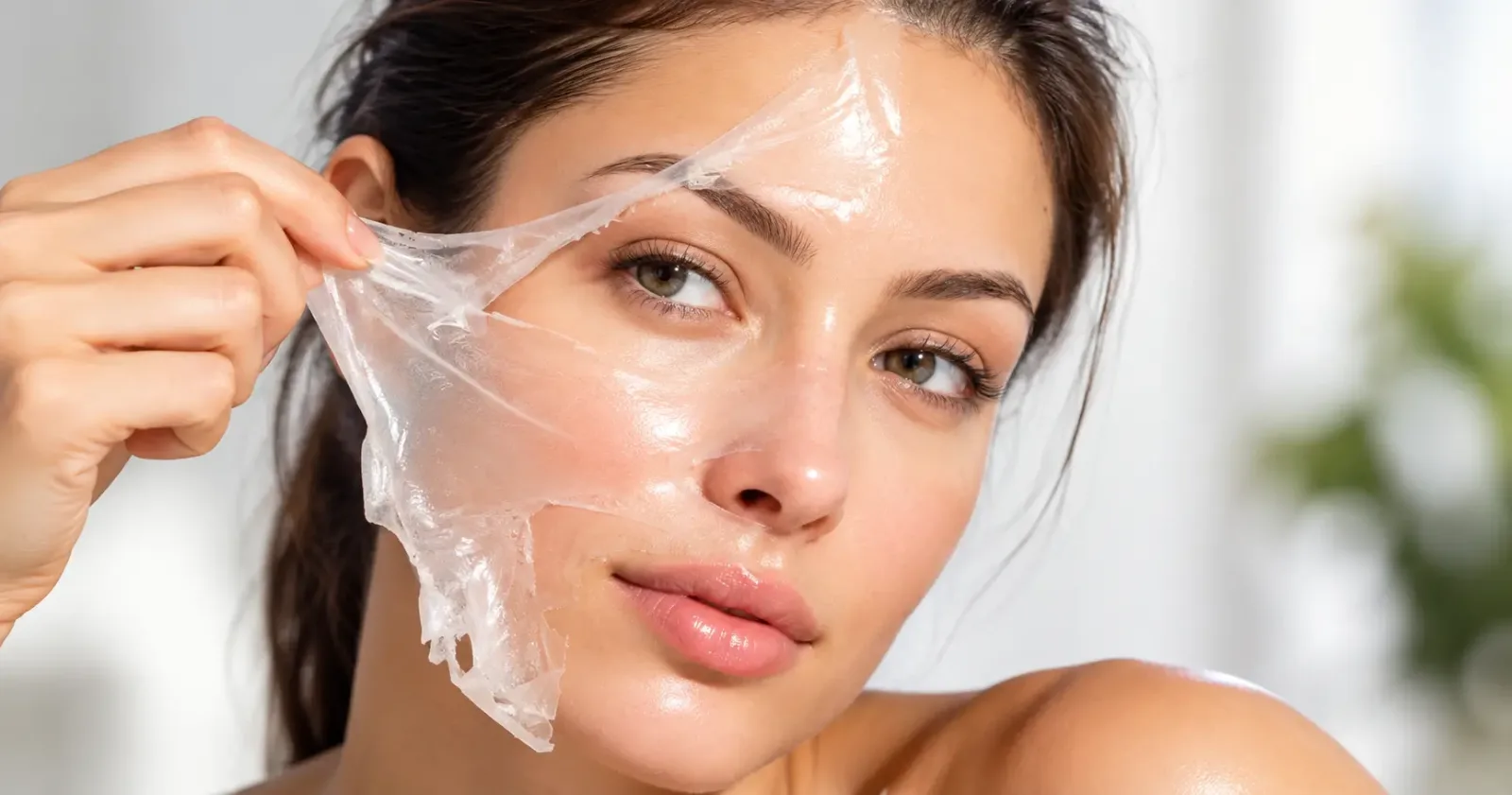
A glycolic peel is a superficial chemical peel that uses glycolic acid to loosen dead cells on the skin's surface, so dull, rough or uneven skin can look smoother and brighter. Most people need a course of around four to six peels, spaced a few weeks apart, with the strength built up slowly. Glycolic acid suits dullness and texture well, while salicylic acid is usually the better fit for oily, acne-prone skin.
This guide explains what peel strengths mean, what a course looks like and how the two acids compare. If you are already considering a glycolic peel in Delhi, it will help you ask the right questions at your consultation.
What is a glycolic peel and how does it work?
Glycolic acid is an alpha hydroxy acid (AHA) that comes from sugar cane. It has a very small molecule, so it moves into the upper layer of skin easily. There it loosens the "glue" that holds dead skin cells together, so they shed more evenly.
The result is a fresher surface. Over a course, many people notice:
- Brighter, less tired-looking skin
- Smoother texture and softer rough patches
- Fewer blocked pores and mild breakouts
- A more even tone, with dark marks after acne fading over time
A glycolic peel is a superficial peel. It works on the top layers only. That is why downtime is short, and also why it cannot fix deep problems on its own. Results vary from person to person.
What do glycolic peel strengths like 20%, 35% or 70% mean?
The percentage tells you how much glycolic acid is in the solution. In-clinic glycolic peels commonly range from about 20% up to 70%. Home products are much milder and are not the same thing as a clinic peel.
A higher number does not automatically mean a better result. Three things decide how strongly a peel acts:
- Concentration: the percentage of acid.
- pH: a lower pH means more "free" acid is active on the skin.
- Contact time: how long the peel stays on before it is neutralised.
A doctor usually starts with a lower strength and a short contact time, watches how your skin reacts, and then steps up gradually across the course. This matters more for Indian skin, which can react to irritation by producing extra pigment. Jumping straight to a strong peel can leave dark patches that take months to settle.
How many glycolic peel sessions do you need?
Most people have a course of four to six peels, a few weeks apart. Some notice brighter skin after the first session, but changes in tone and texture build gradually over the course.
How many you need depends on:
- What you want to improve: dullness responds faster than uneven tone.
- How your skin tolerates the acid at each step.
- Whether you use daily sunscreen and a steady home routine between visits.
- The season: many people plan peels for the cooler months, when the Delhi sun is less intense.
After a course, an occasional maintenance peel can help keep the effect. Your doctor will review your skin before each session and adjust the plan.
Glycolic vs salicylic acid peels: which is right for you?
Both are common superficial peels, but they behave differently. Glycolic acid is water-soluble and works on the surface. Salicylic acid is a beta hydroxy acid (BHA) that is oil-soluble, so it can work inside oily pores.
| Feature | Glycolic acid (AHA) | Salicylic acid (BHA) |
|---|---|---|
| Works mainly on | Skin surface | Inside oily pores |
| Often chosen for | Dullness, rough texture, uneven tone, early fine lines | Oily skin, blackheads, active acne, congestion |
| Calming effect | Little | Some, helpful for inflamed spots |
| Feel on the skin | Tingling or warmth | Tingling, sometimes a white "frost" from the acid |
| Take extra care if | Skin is very sensitive or recently tanned | You are allergic to aspirin or have very dry skin |
Many people do not need to choose themselves. For mixed concerns, such as acne with dull, uneven skin, a doctor may alternate peels or suggest a combination. If dark patches are your main worry, targeted pigmentation peels may suit you better than plain glycolic acid.
Is a glycolic peel safe for Indian skin?
It can be, when it is planned carefully. The main risk for Indian skin is post-inflammatory hyperpigmentation: dark patches that appear after irritation. This is more likely if:
- The peel is too strong or left on too long
- The skin is already tanned, sunburnt or irritated
- Sunscreen is skipped in the weeks after a peel
- Flaking skin is picked or scrubbed off
Delhi's strong sun makes daily broad-spectrum sunscreen essential through the whole course, even on cloudy or polluted days. A patch test may be done before your first peel.
What does recovery after a glycolic peel look like?
The peel itself takes about 20 to 30 minutes. You will feel tingling or warmth for the few minutes it is on. It is then neutralised, removed and followed by a soothing moisturiser and sunscreen.
Afterwards, it is normal to have:
- Mild redness or warmth for a few hours
- Tightness, dryness or light flaking for a few days
- Slight stinging when applying products for a day or two
Most people go straight back to work. Many see little or no visible peeling, and visible peeling is not needed for results. Use a gentle cleanser and plain moisturiser, avoid scrubs, acids, retinoids and steam for a few days, and follow our chemical peel aftercare guide.
Call the clinic if you notice blisters, crusting or oozing, burning pain that keeps getting worse, or dark or light patches that do not fade.
Who should not have a glycolic peel?
A peel may need to wait, or may not suit you, if you:
- Are pregnant or breastfeeding: tell the doctor first
- Are taking, or have recently taken, isotretinoin for acne
- Have active cold sores, an infection or open wounds on the face
- Have had waxing, threading or laser on the area recently
- Have sunburn, a fresh tan, or an eczema or rosacea flare
- Have a tendency to keloid scarring or very reactive skin
Bring a list of your skincare and medicines. Retinoids and other acids are usually paused a few days before a peel.
When is a glycolic peel not enough?
Being honest about limits saves time. A glycolic peel will not treat deep wrinkles, pitted acne scars or deep pigmentation such as stubborn melasma. For pitted scars, resurfacing options like MNRF or CO2 laser are usually more suitable. For deep or hormonal pigmentation, a pigmentation-focused plan, sometimes with laser toning, may fit better. For a quick pre-event glow without any flaking risk, a HydraFacial may be the gentler choice.
A good consultation will tell you which of these suits your skin, rather than selling you a peel by default.
Frequently asked questions
Can I do a glycolic peel at home instead?
Home glycolic products are much milder than clinic peels and can be useful for gentle, regular exfoliation. Strong peel solutions bought online are a different matter. Without assessment, timing and neutralising, they can burn the skin or leave dark patches, especially on Indian skin. If you want more than a mild home product, have a doctor assess your skin and plan the strength first.
Is a higher percentage glycolic peel more effective?
Not on its own. The effect depends on concentration, pH and how long the peel stays on, and on how your skin copes. A strong peel used too early can cause irritation and pigmentation, which sets you back. Most courses start gently and step up only when the skin has tolerated the previous session well.
How long do glycolic peel results last?
The fresher, smoother look from a course can last for a good while, but skin keeps renewing and is exposed to sun, pollution and ageing every day. Daily sunscreen, a simple routine and an occasional maintenance peel help keep the effect. Results vary from person to person.
Can I use retinol or vitamin C between peels?
Often yes, but timing matters. Retinoids and other acids are usually stopped a few days before a peel and restarted only when your doctor advises, once any dryness or flaking has settled. Using them too close to a peel can make the skin raw and more likely to darken. Ask for a simple schedule at your consultation.
Will a glycolic peel help with acne?
It can help with mild acne, blocked pores and the dark marks that acne leaves behind. For oily skin with active spots, a salicylic acid peel is often a better fit. Moderate or severe acne needs medical treatment first, and peels are then used alongside it rather than instead of it.
Which time of year suits a peel course in Delhi?
Many people prefer the cooler months, when the sun is gentler and sweating is less. Peels can be done at any time of year, though, as long as you protect your skin carefully. Avoid starting a course just before a beach holiday or a period of long hours outdoors.
If you would like to know whether a glycolic peel suits your skin, book a free consultation at any of our four clinics in Vasant Vihar, Gurugram, Pitampura or Civil Lines. A doctor will assess your skin, explain your options and plan a course that fits you. You can read more about the glycolic peel treatment or book an appointment online.