
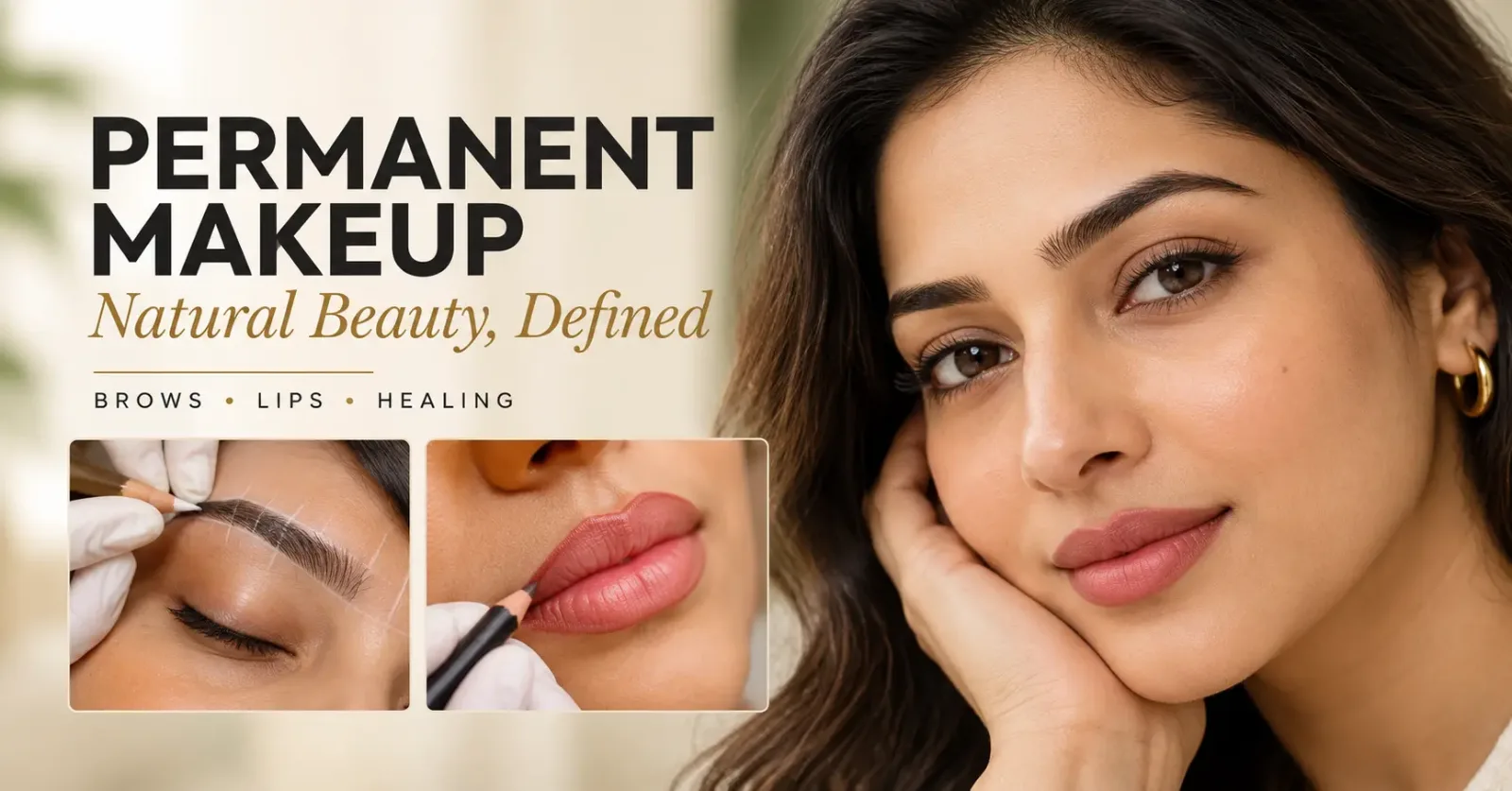
Permanent makeup is cosmetic tattooing that places fine pigment in the upper layer of the skin to define the brows or lips. Despite the name, it is semi-permanent: colour usually softens over about one to three years, depending on skin type, sun exposure and aftercare. Expect a darker look for the first week or two, flaking for about seven to ten days, and a touch-up a few weeks later. This guide covers what to expect before you book permanent makeup in Delhi.
What is permanent makeup, and is it really permanent?
Permanent makeup, sometimes called micropigmentation or cosmetic tattooing, uses a fine tool to deposit pigment just beneath the skin surface. It is shallower than a body tattoo, which is one reason it fades.
Over time, the skin naturally renews itself and breaks down pigment. Most people find colour softens noticeably over about one to three years. Some pigment can stay as a faint shade for longer. That is why a natural shape and shade are always the safer choice. Bold, trend-led shapes are hard to undo.
The most commonly treated areas are the brows and lips. Eyeliner tattooing is also done in some places, but it is a more delicate area close to the eye. If you are interested in eyeliner, ask at your consultation whether it is suitable and offered for you.
Brows, lips and eyeliner: which technique suits which area?
Area | Technique | Look | Often suits |
|---|---|---|---|
Brows | Microblading | Fine, hair-like strokes | Normal to dry skin, a natural look |
Brows | Powder or shaded brows | Soft, filled-in finish like brow powder | Oily skin, or a more defined look |
Lips | Lip blush | Soft tint and evened lip line | Pale, uneven or poorly defined lips |
Eyes | Eyeliner tattoo | Fine lash-line definition | Discussed case by case at consultation |
For brows, you can read more about the hair-stroke technique on our microblading page. Some people have a combination of strokes at the front and shading towards the tail.
Microblading vs powder brows: what is the difference?
Microblading uses a fine hand tool to draw individual hair-like strokes. It looks very natural on normal to dry skin. On oily skin, strokes can blur and fade sooner, which matters in Delhi's humid months.
Powder brows place pigment in tiny dots to create a soft, shaded effect. They tend to hold up better on oily skin and suit people who usually fill in their brows with makeup.
Your skin type, the look you want and how much natural hair you have all affect the choice. The shape is drawn on and adjusted with you before any pigment goes in. Our permanent makeup brows and lip blush page explains each step, from patch test to touch-up.
Can lip blush help with dark or uneven lips?
Lip blush adds a soft layer of colour and can even out an uneven lip tone or a blurred lip line. It looks like a natural flush rather than lipstick, and you can still wear lipstick on top.
If lips look darker because of pigmentation, it helps to understand the cause first. Sun exposure, smoking, lip licking and some medicines can all play a part. In some cases, lip laser toning may be considered to help even tone, either instead of or before lip blush. Your consultation will cover which approach suits you.
Lips are prone to cold sores. If you have had them before, tell the doctor, as preventive medicine may be advised before lip blush.
What does the healing process look like?
Healing is the part that surprises most people. Here is a typical timeline:
Days 1–3: colour looks darker and sharper than the final result. Redness and mild swelling are common. Lips may swell more than brows.
Days 4–10: itching, light scabbing and flaking. Colour may look patchy as flakes come away. Do not pick them.
Weeks 2–4: colour can look too light for a while, then gradually returns as the skin settles.
Weeks 4–8: the touch-up session fills patchy areas and perfects the shape.
During healing, keep the area clean and use only the aftercare balm you are given. Avoid makeup, swimming, saunas and heavy sweating on the area for seven to ten days. Plan around weddings, holidays and photo shoots, and leave at least a few weeks before any big event.
Why does permanent makeup fade, and how to make it last
Fading is normal, but some things speed it up:
Sun exposure. UV breaks down pigment. Use sunscreen on healed brows every day.
Oily skin. More oil tends to push pigment out faster.
Exfoliating products. Retinoids, acids and scrubs over the area can fade colour.
Facial treatments near the area. Peels and lasers should be planned with your doctor.
Picking during healing, which can pull pigment out and leave gaps.
Most people book a colour boost every year or two when they feel the shape has softened. Results vary, so your timeline may be shorter or longer.
Who should not have permanent makeup?
Treatment may need to wait, or may not be suitable, if you:
Are pregnant or breastfeeding.
Take isotretinoin, or stopped it within the last six months.
Have keloids or raised scars, or a skin condition in the area.
Take blood thinners or have a bleeding disorder. Do not stop prescribed medicines on your own.
Have had Botox, fillers or peels near the area in the last two to four weeks.
Get cold sores, for lip blush, until this has been discussed.
Everyone has a patch test with the pigment a few days before treatment. Permanent makeup does not regrow hair. If brows are very sparse because of hair loss, a medical check may come first, and an eyebrow transplant may be discussed.
Contact the clinic if you notice increasing redness, heat, pain or pus after the first two days, blisters on the lips, raised or lumpy skin along the treated area, or a rash or swelling that spreads.
Can permanent makeup be removed or corrected?
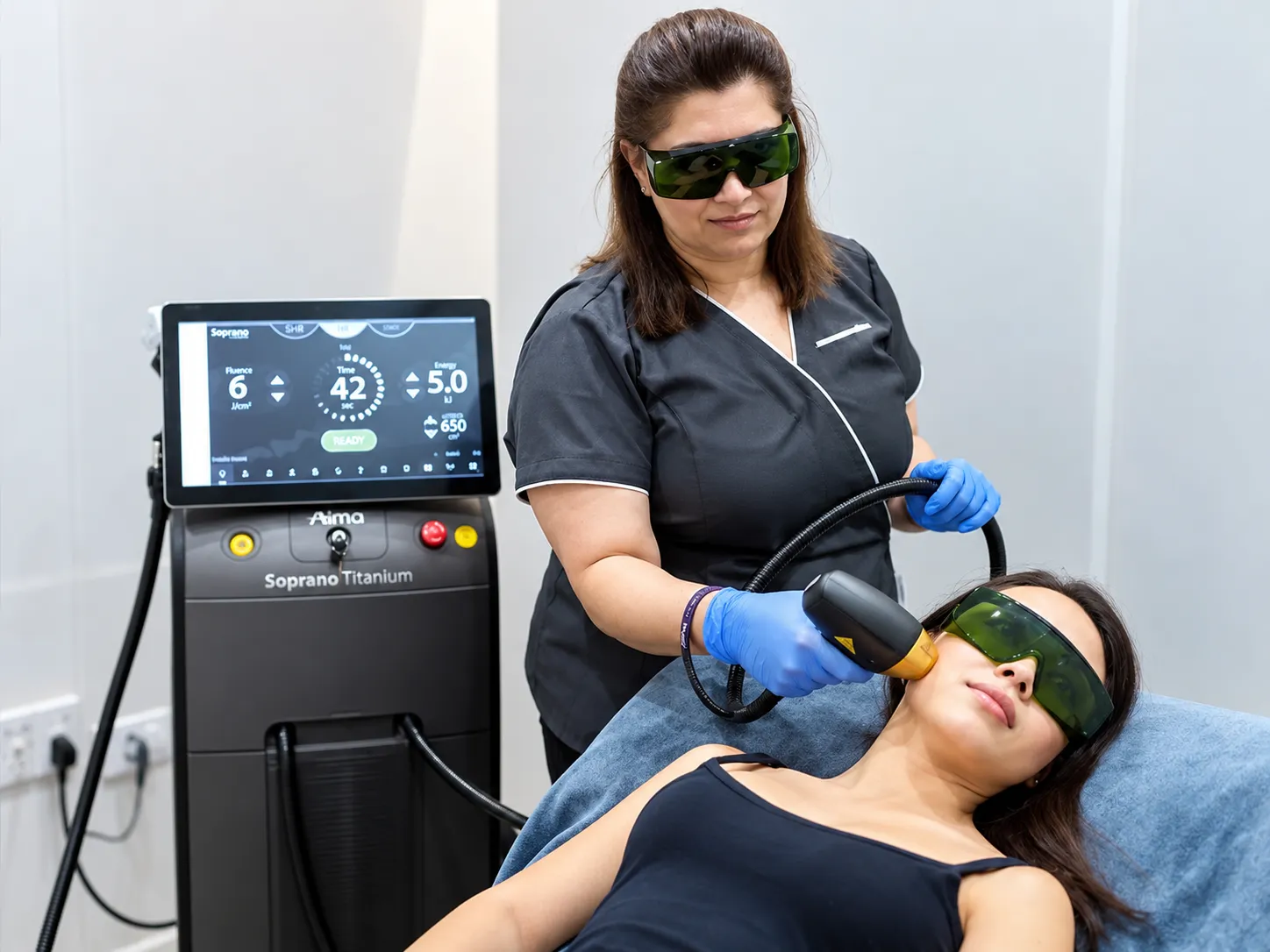
Pigment can be faded with laser, such as the Q-switch laser, but it usually takes several sessions and is not always complete. Some colours respond less well than others. You can read more on our tattoo removal page. Because removal is slow, it is far better to agree a soft, natural shape at the start. You can always add more definition at the touch-up.
Frequently asked questions
How long does permanent makeup last?
Most people find it lasts about one to three years before it needs refreshing. Oily skin, regular sun exposure and exfoliating skincare tend to shorten that time. Some pigment may stay as a faint shade for longer. A colour boost every year or so keeps the shape crisp, and we will advise you when it is due.
Does permanent makeup hurt?
A numbing cream is applied before and during treatment, so most people feel scratching or light pressure rather than pain. Lips are usually more sensitive than brows. The session itself takes about two to three hours, including mapping the shape and choosing the shade, so allow plenty of time on the day.
Why do my brows look so dark after the treatment?
This is normal. For the first week or two, pigment sits close to the surface along with healing skin, so it looks darker and sharper. As flakes come away, colour softens, sometimes looking too light for a while before it settles. Judge the result only after full healing, ahead of your touch-up.
Do I really need a touch-up session?
Yes, it is part of the treatment. Skin does not hold pigment evenly the first time, so some areas heal lighter or patchier. The touch-up, about four to eight weeks later, fills these gaps and allows fine adjustments to shape and colour. Skipping it often leaves an uneven result.
Can I have permanent makeup before my wedding?
Yes, with good planning. Have the first session at least two to three months before the wedding, so there is time for healing and the touch-up. Avoid booking it in the final weeks, as colour can look too dark or patchy while the skin heals. Tell the doctor about any facials or injectables planned for the same period.
If you would like natural-looking brows or lips that save you time each morning, book a free consultation at any of our four clinics in Vasant Vihar, Gurugram, Pitampura and Civil Lines. We will map the shape with you, do a patch test and explain what to expect at each stage.