






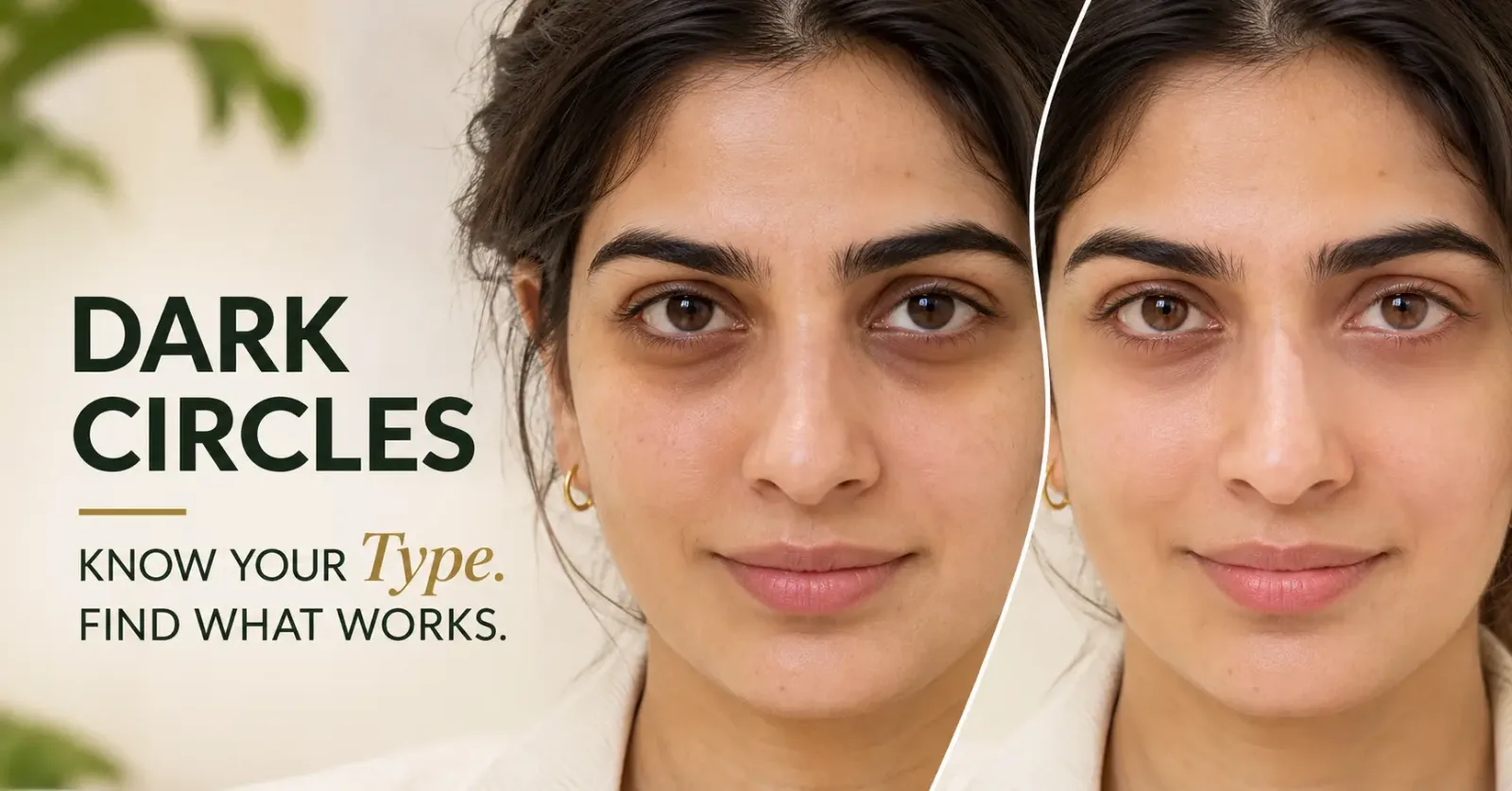
If you have tried every under-eye cream and your dark circles are still there, the problem is probably not the cream. The right dark circles treatment depends on what is causing them: excess pigment, visible blood vessels, a shadow from hollowness, or a mix. Each type responds to a different treatment, which is why one person swears by a peel and another sees no change.
This guide helps you work out your type, understand what actually helps, and decide when a clinic treatment is worth it.
Why dark circles are so common in Indian skin
Dermatologists call pigmented dark circles periorbital hyperpigmentation. It is very common in South Asian skin, which naturally produces more melanin and tends to darken after irritation. An editorial in the Indian Dermatology Online Journal lists genetics, poor sleep, puffiness, tear-trough depression and thin skin over the eye muscle as key contributors, along with darkening after eczema or allergic rubbing.
Common triggers include:
- Family tendency – often visible from childhood or the teens
- Rubbing the eyes because of allergies, dust or pollution
- Sun exposure without sunglasses or sunscreen around the eyes
- Lack of sleep, screen fatigue and dehydration, which make circles more noticeable
- Ageing and weight loss, which thin the skin and deepen hollows
- Anaemia, thyroid problems or other health issues in some people
Find your type: a simple mirror check
Stand near a window in natural light and look straight ahead.
1. Pigmented (brown) dark circles
- Brown or grey-brown colour on the lower and sometimes upper lids
- Colour stays the same when you gently stretch the skin
- Often genetic or linked to rubbing and sun exposure
2. Vascular (blue, purple or pink) dark circles
- Bluish or purple tint, more obvious when tired or unwell
- Colour fades slightly when you press or stretch the skin
- Common with thin, fair skin and puffy eyes
3. Structural (shadow) dark circles
- A groove or hollow running from the inner corner of the eye (the tear trough)
- Looks darker under overhead light and better when you tilt your face up to the light
- Common with ageing, weight loss or a naturally deep-set eye shape
4. Mixed
Most adults have a combination, for example brown pigment plus a mild hollow. The editorial notes a dermoscopy study of 200 patients where over half had a mixed pattern.
This check is a starting point. A doctor can confirm the type with a closer examination.
What helps each type
For pigmented dark circles
- Daily sun protection around the eyes, plus UV-blocking sunglasses
- Prescription or doctor-selected creams with ingredients such as azelaic acid, kojic acid, arbutin or vitamin C. Avoid unregulated "whitening" creams, which may contain steroids that thin the delicate skin.
- Gentle chemical peels. The editorial describes glycolic acid 20% and lactic acid 15% peels as useful. Our under-eye peel is designed for this delicate area.
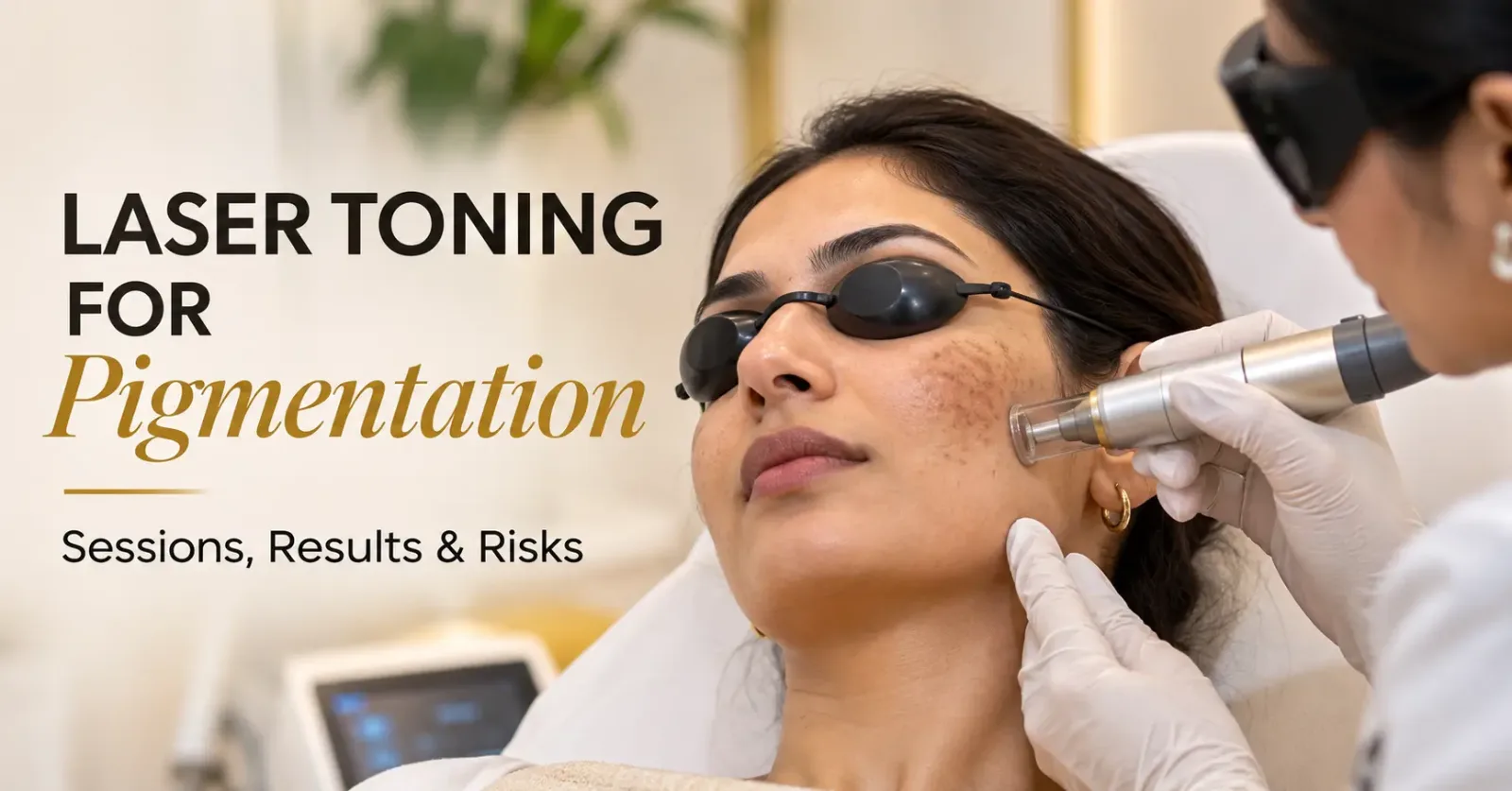
- Laser toning. Low-energy Q-switched Nd:YAG lasers can reduce pigment and, according to the editorial, the vascular component too. See under-eye laser toning.
- Stop rubbing. Treating allergies and dryness is as important as any treatment.
For vascular dark circles
- Cold compresses and good sleep reduce puffiness and congestion
- Treating allergies that cause swelling and rubbing
- Skin quality treatments that thicken and hydrate thin skin, so vessels show less. Targeted under-eye boosters such as Lumi Eyes are designed for this. Our Lumi Eyes article explains how it works.
- Laser toning can help in some cases
For structural (hollow) dark circles
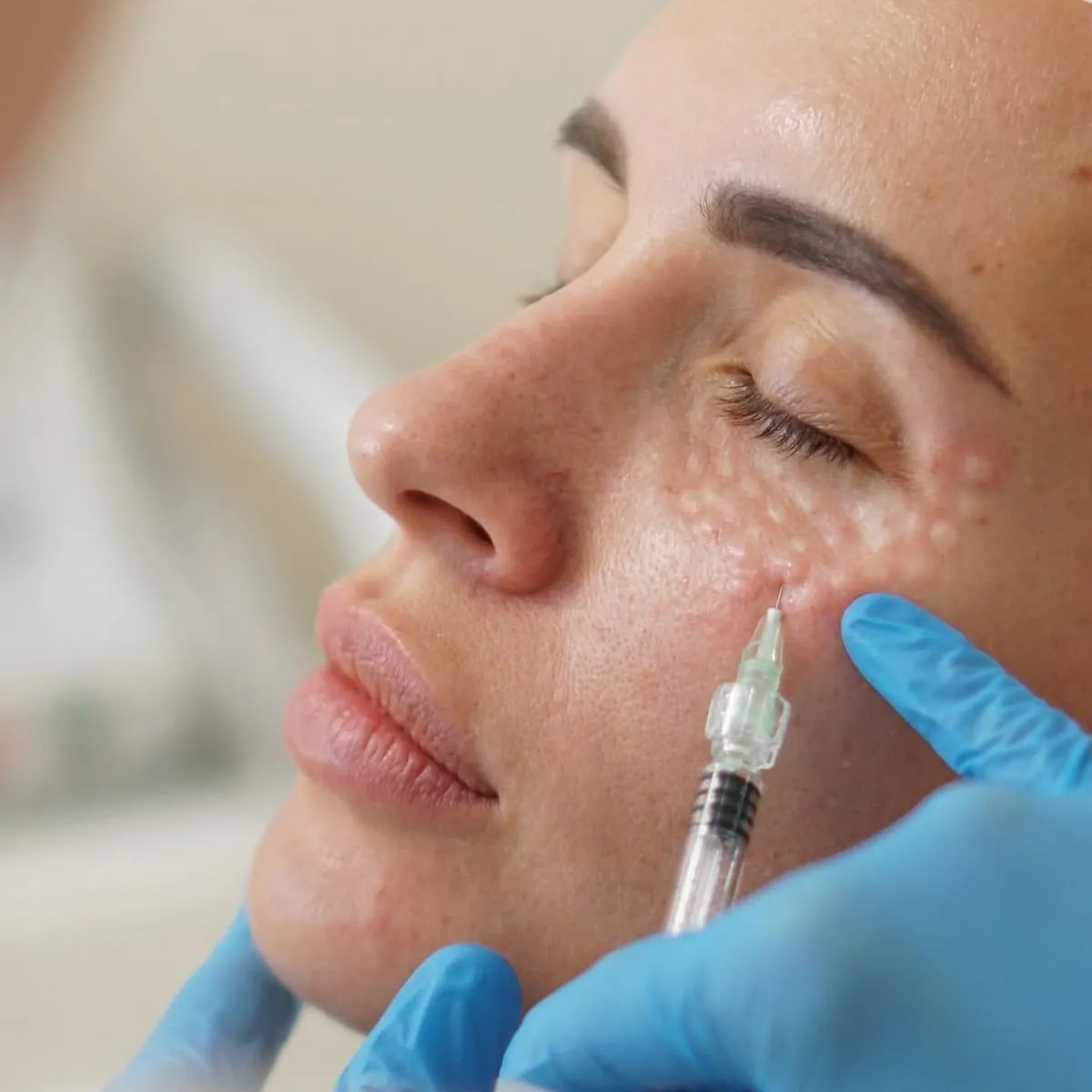
- Under-eye fillers. A small amount of hyaluronic acid filler in the tear trough can soften the shadow. Under-eye fillers must be done by an experienced doctor, as this is a delicate area. They are not suitable for everyone, especially those with significant puffiness or eye bags.
- PRP or skin boosters to improve skin quality. The editorial notes PRP improved colour evenness in one study but calls for larger studies.
- Treating the bigger picture. If hollows are part of overall facial volume loss, restoring cheek support can improve the under-eye area.
Do under-eye creams work?
They can help pigmented and mild vascular circles over time, especially if they contain proven ingredients and you also use sun protection. They cannot fill a hollow or remove a shadow. If your circles are mainly structural, a cream will not change them.
Lifestyle steps that make a visible difference
- Sleep 7–8 hours and keep your head slightly raised if you wake up puffy
- Manage allergies and avoid rubbing your eyes
- Use sunscreen and sunglasses every day, including in winter
- Cut back on late-night salty food and alcohol, which increase puffiness
- Take screen breaks and stay hydrated
- Get blood tests if you also feel tired or breathless, to rule out anaemia or thyroid issues
Can dark circles be removed permanently?
Honestly, not always. Genetic pigment and natural eye anatomy cannot be changed permanently, and pigment can return with sun exposure or rubbing. What treatment can do is reduce them significantly and keep them under control with sensible maintenance. Be wary of any clinic that promises permanent removal in one session.
Dark circles treatment cost in Delhi
Current guide prices at Paradise Wellness:
| Treatment | Price |
|---|---|
| Under-eye laser toning | ₹1,999 per session · ₹6,999 package |
| Under-eye peel | ₹1,999 per session · ₹6,999 package |
| Lumi Eyes (under-eyes) | ₹14,999 |
| Under-eye filler (1 ml) | ₹17,999 |
Your doctor will recommend a plan after assessing your type. Exact prices are confirmed at consultation, and EMI options are available.
Frequently asked questions
Why do I have dark circles even when I sleep well?
Genetics, pigment, thin skin and hollows cause dark circles regardless of sleep. Sleep only affects how noticeable they are.
Which is the best treatment for dark circles?
There is no single best treatment. Peels and laser toning help pigmented circles; boosters help thin, vascular skin; fillers help hollows. Many people need a combination.
Is under-eye filler safe?
In experienced hands with suitable patients, it is generally safe, but it carries risks such as bruising, swelling, lumps and, rarely, serious vascular complications. Choose a doctor who regularly treats this area.
How long do results last?
Peel and laser results last as long as you protect your skin. Fillers typically last several months to a year or more depending on the product and your metabolism.
Can men get dark circle treatment?
Yes. Men often have pigmented and hollow-type circles and respond to the same treatments.
The bottom line
Dark circles are not one condition. Brown circles need pigment care and sun protection, blue circles need skin quality and allergy control, and hollow circles need structural support. Once you know your type, you can stop wasting money on products that cannot work for you. Learn more on our dark circles concern page.
Tired of looking tired? Book an under-eye assessment at Paradise Wellness in Vasant Vihar, Gurugram, Pitampura or Civil Lines. In-clinic consultations are free.
This article is for general information only and is not a substitute for a medical consultation.