





Dimple creation, or dimpleplasty, is a minor procedure done under local anaesthesia, in which a small amount of tissue is removed from inside the cheek and a stitch links the inner cheek to the underside of the skin so a dimple forms when you smile. Swelling usually settles in one to two weeks and the final shape shows over four to eight weeks. It is designed to be a lasting change that is not easy to reverse, so it deserves careful thought before you book dimple creation in Delhi.
What is dimple creation surgery?
Natural cheek dimples happen when a band of tissue links the cheek muscle to the skin above it. When you smile, the muscle pulls on the skin and creates a small hollow.
Dimple creation copies this effect. It is performed by a qualified doctor under local anaesthesia after a careful assessment. You stay awake, and you go home the same day. People choose it for different reasons: to add character to their smile, to create a pair of dimples, or to balance a single natural dimple with one on the other side.
How is a dimple created, step by step?
- Consultation and marking. The doctor assesses your cheeks, smile, mouth and general health. The dimple position is marked with you while you smile, so you can see where it will sit.
- Local anaesthesia. The inside of the cheek is numbed. You may feel pressure but should not feel pain during the procedure.
- The procedure. Through a small cut inside the mouth, a little tissue is removed and a stitch is placed to connect the inner cheek to the skin. No cut is made on the outer skin.
- Recovery and review. You go home with aftercare advice and prescribed medicines. Follow-up visits check healing and the shape as swelling settles.
The procedure usually takes about 30 to 45 minutes.
What does recovery look like, week by week?
Healing differs between people, but a typical pattern is:
| Time after procedure | What is normal |
|---|---|
| First few days | Swelling and tenderness in the cheek, mild discomfort when chewing. The dimple is visible even at rest. |
| First 1–2 weeks | Swelling gradually settles. Soft foods and careful mouth care continue. |
| Weeks 2–4 | The resting dimple begins to soften. Most people are back to normal routines. |
| Weeks 4–8 | The shape settles, and the dimple becomes more noticeable mainly when you smile. |
Seeing a deep dimple at rest in the early weeks can be surprising. This is expected and usually softens with time. Plan important events, photos or travel with this in mind and allow several weeks before a wedding or big occasion.
Aftercare: eating, mouth care and daily life
Because the cut is inside the mouth, keeping the area clean is the most important part of aftercare:
- Rinse with the mouthwash your doctor advises after meals.
- Eat soft foods for the first days. Avoid very hot or spicy food until the area has healed.
- Avoid smoking and alcohol during healing, as both slow recovery and raise the risk of infection.
- Skip heavy exercise for the period your doctor advises.
- Take medicines exactly as prescribed, and attend every follow-up.
- Avoid stretching the mouth wide or pressing on the cheek.
Most people return to desk work within a few days, but your face may look swollen. Some choose to take a little time off.
Are dimples from surgery permanent?
Dimple creation is designed to be a lasting change. Once the inner cheek heals to the skin, the link usually stays. That is why the decision should not be rushed.
However, it is honest to say that results vary. In some people the dimple becomes shallower over time. Rarely it fades and needs revision. The opposite can also happen, where it looks deeper than hoped. Reversing a dimple is not simple, so take time to think, look at your smile in the mirror with the marked position, and ask every question you have before going ahead.
Risks and complications to know about
Like any procedure, dimple creation carries risks. These include:
- Asymmetry. The two sides may not match exactly, because faces are not perfectly symmetrical.
- Depth. The dimple may be shallower or deeper than you expected.
- Fading. Rarely, the dimple may fade and need a revision.
- Infection inside the cheek, which needs prompt treatment.
- Bleeding, bruising and prolonged swelling.
Call the clinic promptly if you notice increasing pain, swelling, warmth or pus inside the cheek, fever or feeling unwell, bleeding that does not stop with gentle pressure, or if a stitch breaks or the dimple suddenly disappears in the early weeks.
Who is a good candidate, and who should avoid it?
Dimple creation tends to suit healthy adults who:
- Want cheek dimples and understand the change is lasting.
- Have realistic expectations about shape and symmetry.
- Have good oral hygiene and healthy gums.
- Can follow mouth care and diet advice during healing.
It may not be suitable, or may need to wait, if you:
- Are pregnant or breastfeeding.
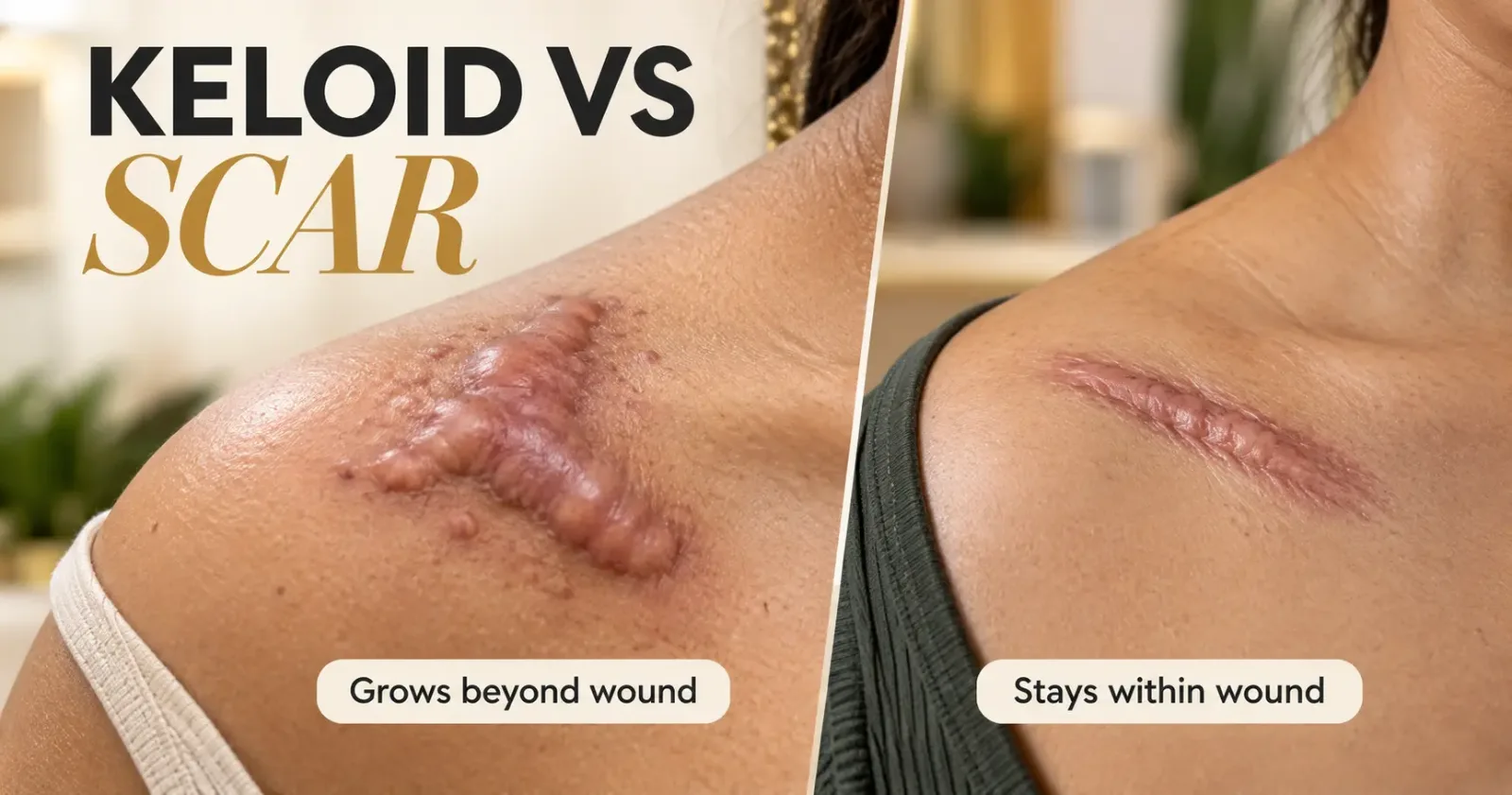
- Have a tendency to keloids or raised scars.
- Have mouth ulcers, gum infection or a dental infection. Have dental problems treated first.
- Have a bleeding disorder or take blood thinners. Tell your doctor; do not stop prescribed medicines on your own.
- Have uncontrolled diabetes or a history of poor healing.
- Smoke. Smoking slows healing, so stop well before.
- Have very thin or very full cheeks. The doctor will explain whether a dimple will sit naturally.
Is there a non-surgical alternative?
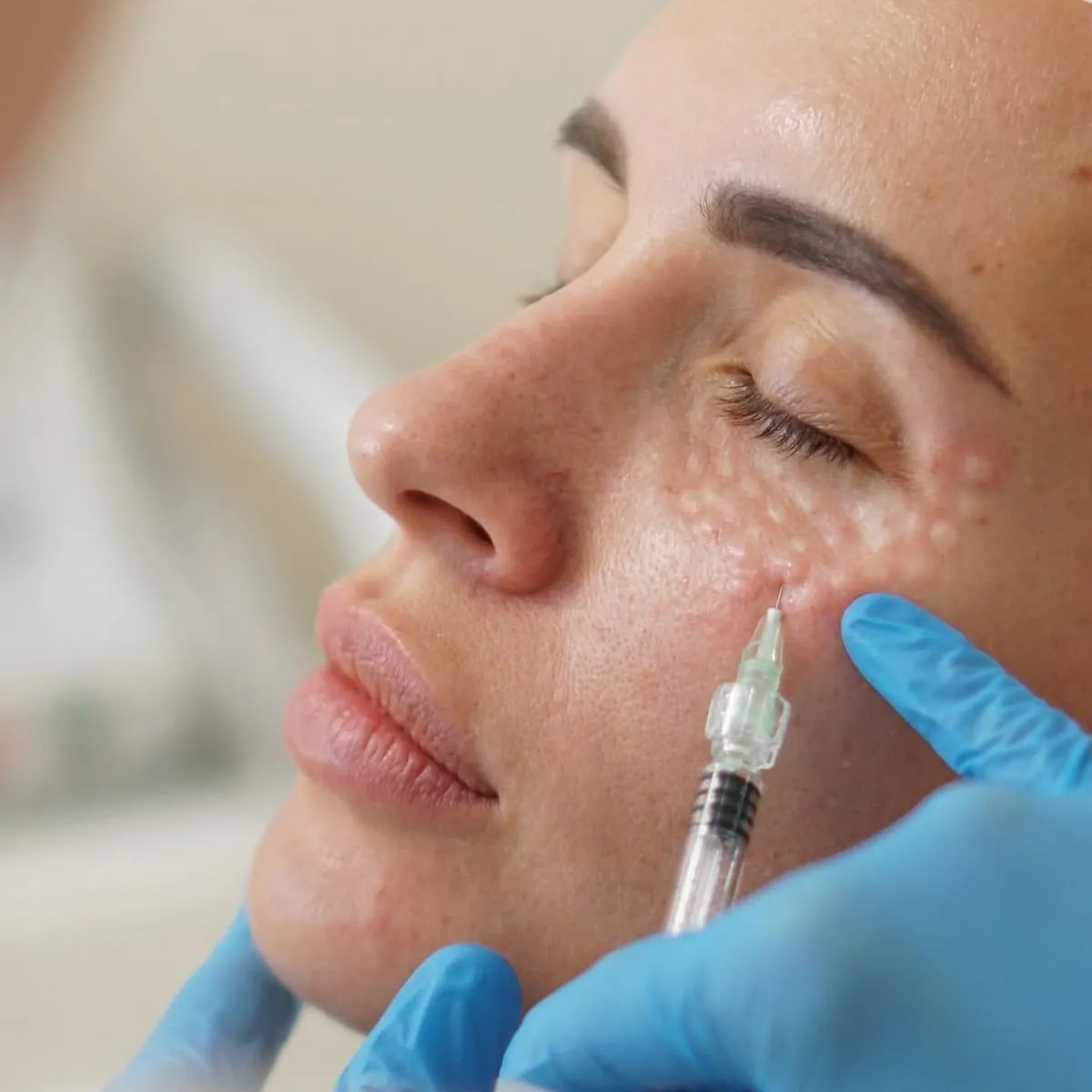
There is no injection that reliably creates a lasting dimple. If your real aim is a fresher or more defined face rather than a dimple, other options may fit better. For example, dermal fillers can restore volume or add definition to the cheeks or chin, and lip fillers can change the balance of the smile. These are very different goals, so it is worth talking them through. Read more about the full dimple creation procedure, including preparation, before your consultation.
Frequently asked questions
Will dimple creation leave a scar on my face?
No outer scar is expected. The cut is made inside the mouth, so there is no incision on the skin of the cheek. The inner wound heals over the following weeks with good mouth care. People with a tendency to keloids or raised scars should mention it at the consultation, as this may affect suitability.
Is dimple creation painful?
The area is numbed with local anaesthetic, so you should feel pressure rather than pain during the procedure. Afterwards, soreness, swelling and some discomfort when chewing are normal for a few days. Your doctor will prescribe medicines to keep you comfortable and explain how to take them.
Can I have just one dimple?
Yes. Some people want a single dimple, and others want to balance a natural dimple on one side with a new one on the other. The doctor will mark the position to match your existing dimple as closely as possible, though an exact match cannot be promised because both cheeks differ slightly.
When can I go back to work after dimpleplasty?
Many people return to desk work within a few days. Swelling and a visible dimple at rest are common in the first one to two weeks, so some prefer to take a little time off. Avoid heavy exercise for the period your doctor advises, and keep up mouth rinses after every meal.
What if I don't like the result?
Give it time first. The dimple often looks deeper at rest in the early weeks and softens as swelling settles. If you still have concerns once healed, discuss them at your review. Revision is sometimes possible, but reversing a dimple is not simple, which is why careful planning before the procedure matters so much.
If you are thinking about dimples, start with a conversation. Book a free consultation at any of our four clinics in Vasant Vihar, Gurugram, Pitampura and Civil Lines, where a doctor will assess your cheeks and smile and explain honestly whether the procedure suits you.