




PRP vs GFC for Hair Fall: What Is the Difference and Which One Do You Need?
Hair fall is one of the most common worries we hear about, and PRP vs GFC for hair fall is one of the most common questions. Both treatments use a small sample of your own blood to support weak hair follicles, but they are not identical. This guide explains each one in plain language, who they suit, and what a doctor should check before recommending either.
First, Find Out Why You Are Losing Hair
No hair treatment works well if the cause is missed. Hair fall can happen for several reasons, including:
Pattern hair loss: Genetic thinning that commonly affects the hairline, crown or central parting.
Hair shedding after illness: Fever, surgery or infections can trigger temporary hair shedding. Read our guide to hair fall after dengue or typhoid.
Nutritional deficiencies: Low iron, vitamin D or vitamin B12 levels may contribute to hair loss.
Thyroid and hormonal problems: Thyroid conditions, PCOS and other hormonal changes can affect hair growth.
Stress and lifestyle factors: Stress, crash diets and childbirth can trigger increased shedding.
Scalp conditions: Dandruff, fungal infections and other scalp conditions may contribute to hair-related concerns.
PRP and GFC support the follicles. They do not fix an underlying cause such as a thyroid problem or iron deficiency, so your doctor may ask for blood tests first.
What Is PRP Treatment for Hair?
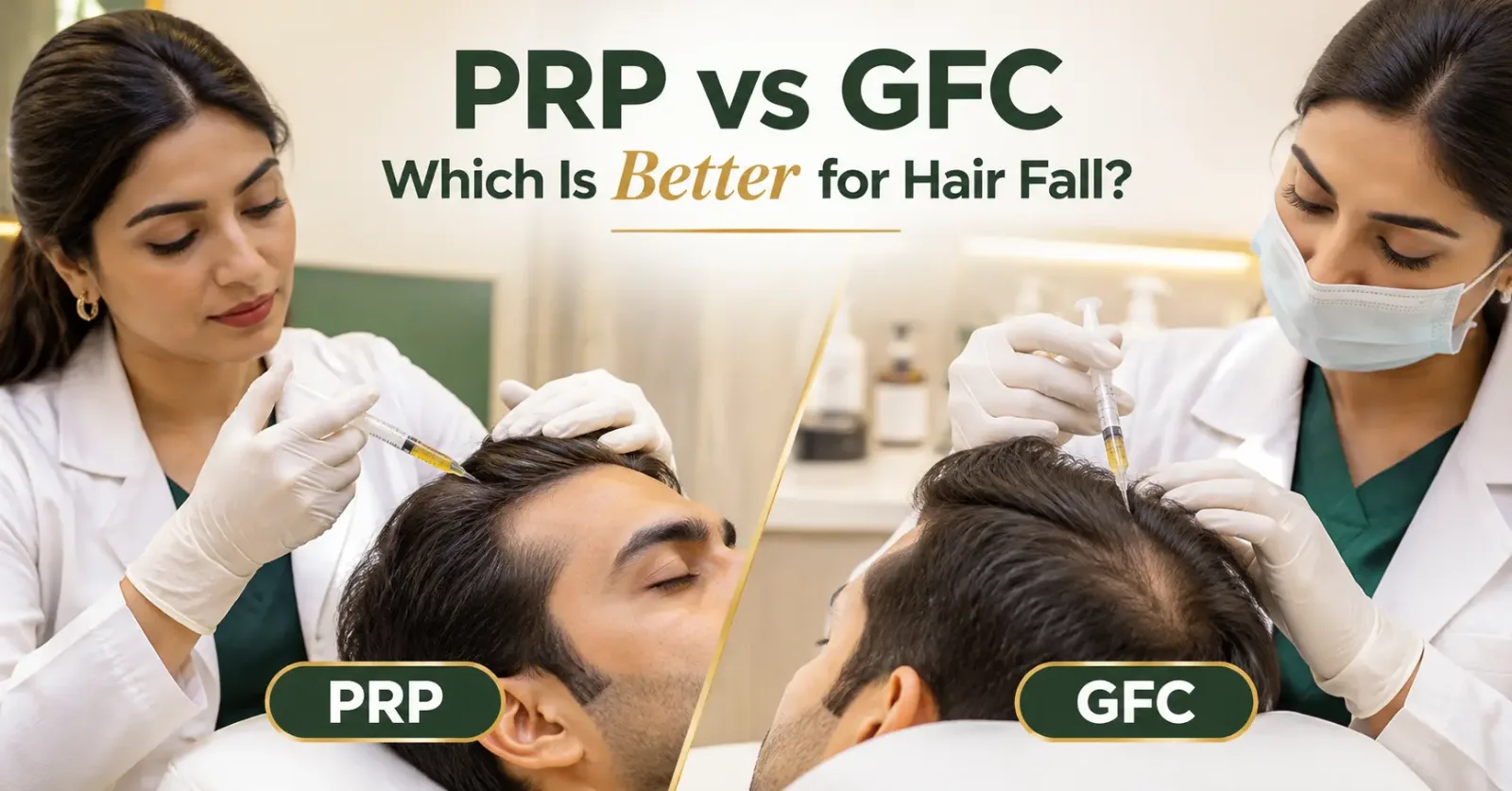
PRP stands for Platelet-Rich Plasma. It is a treatment that uses a concentrated portion of your own blood to support hair follicles.
A small amount of blood is drawn from your arm and processed in a specialised machine to separate and concentrate the platelets.
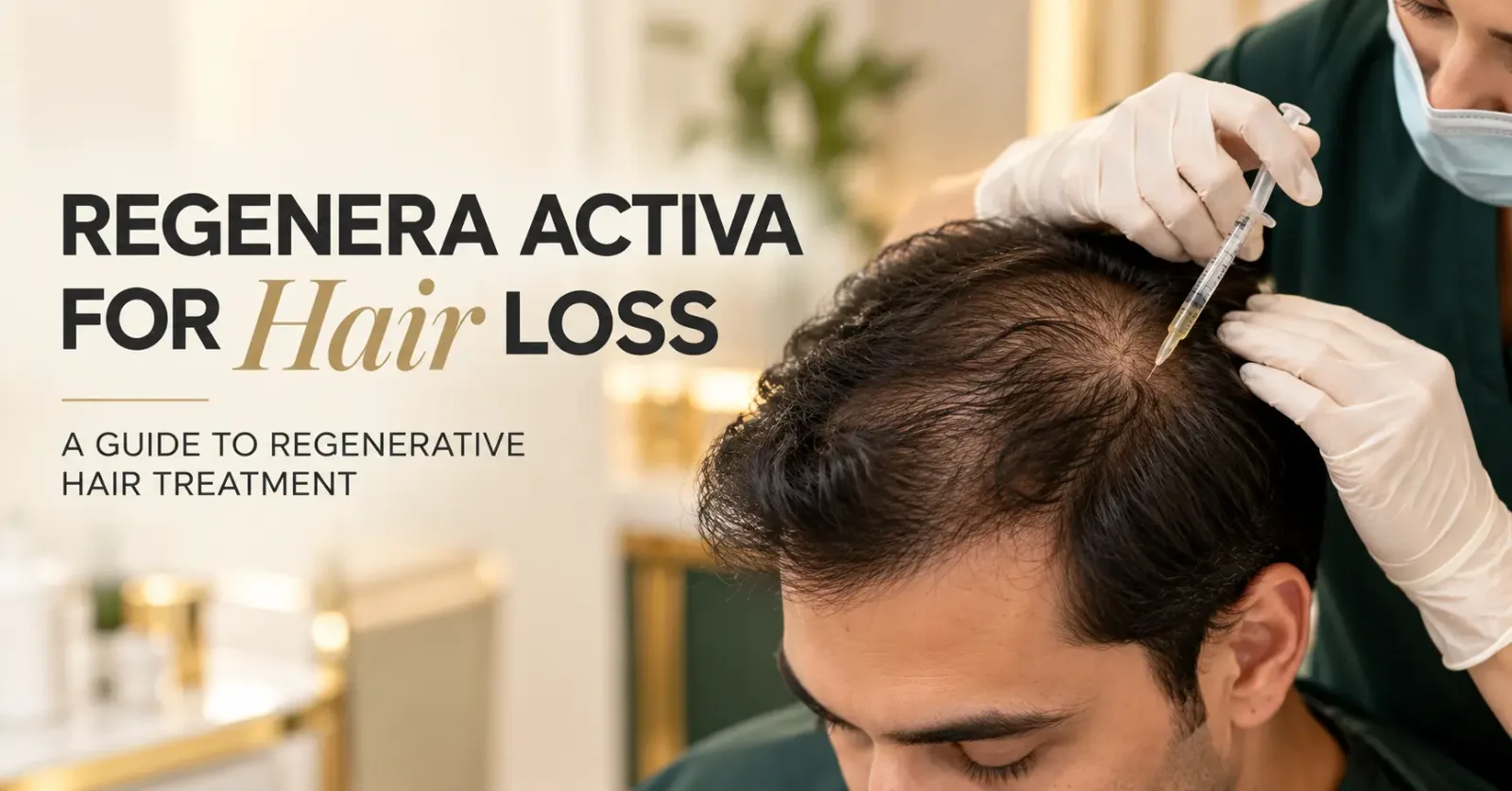
The prepared platelet-rich plasma is then placed into the scalp. Platelets release growth factors that are thought to support sluggish follicles and promote the hair growth cycle.
Studies have shown encouraging results, mainly in early pattern hair loss. However, treatment protocols differ between clinics, and results are never guaranteed.
What Is GFC Treatment for Hair?
GFC stands for Growth Factor Concentrate.
Like PRP, GFC begins with a small blood sample collected from your arm. However, the blood is processed further to prepare a concentrated solution of growth factors rather than platelets and other blood cells.
This preparation is used to deliver growth factors to the scalp as part of a hair restoration treatment plan.
GFC is a newer approach, and the research behind it is less extensive than for PRP. It is therefore important to keep expectations realistic and discuss the available evidence with your doctor.
PRP vs GFC for Hair Fall: What Is the Difference?
Both treatments use your own blood, but their preparation and the final material used in treatment differ.
Comparison | PRP | GFC |
|---|---|---|
Made from | Your own blood | Your own blood |
What is placed in the scalp | Platelet-rich plasma | Concentrated growth factors |
Main idea | Platelets release growth factors in the scalp | Growth factors are delivered in a refined form |
Evidence base | Larger body of studies | Newer approach with fewer studies |
Course | A series of sessions, followed by maintenance when needed | A series of sessions, followed by maintenance when needed |
The right treatment depends on your hair loss pattern, scalp condition and medical assessment.
Which One Is Better for Me: PRP or GFC?
There is no single winner between PRP and GFC.
The right choice depends on several factors:
The stage and pattern of your hair loss.
Whether your hair follicles are still active.
Your scalp health.
Your medical history.
Your comfort and treatment preferences.
Your budget and expected treatment plan.
A doctor should examine your scalp, assess hair density and explain the available options before you decide.
Rather than selecting a treatment only because it is popular, it is better to understand why it may be appropriate for your particular hair concern.
Who Is a Good Candidate for PRP or GFC?
PRP and GFC are usually considered for people experiencing early to moderate hair thinning when the hair follicles are still active.
They may be discussed for individuals experiencing:
Early pattern hair loss.
Reduced hair density.
Thinning around the crown or hairline.
Weakening of existing hair.
Certain types of persistent hair shedding, after the underlying cause has been assessed.
If the scalp is completely smooth and bald, follicles may no longer be active, and a different approach such as a hair transplant may be discussed instead.
Your doctor may advise against or delay treatment if you have certain blood conditions, take blood-thinning medicines, have an active scalp infection or are unwell on the day.
What to Expect During PRP or GFC Treatment?
The treatment process generally involves the following steps:
1. Consultation and Scalp Assessment
Your doctor examines your scalp, hair density and hair loss pattern to understand your concerns and decide whether PRP or GFC may be suitable.
2. Blood Collection
A small amount of blood is drawn from your arm, similar to a routine blood test.
3. Preparation of PRP or GFC
The blood sample is processed using the appropriate preparation method to obtain the PRP or GFC solution.
4. Application to the Scalp
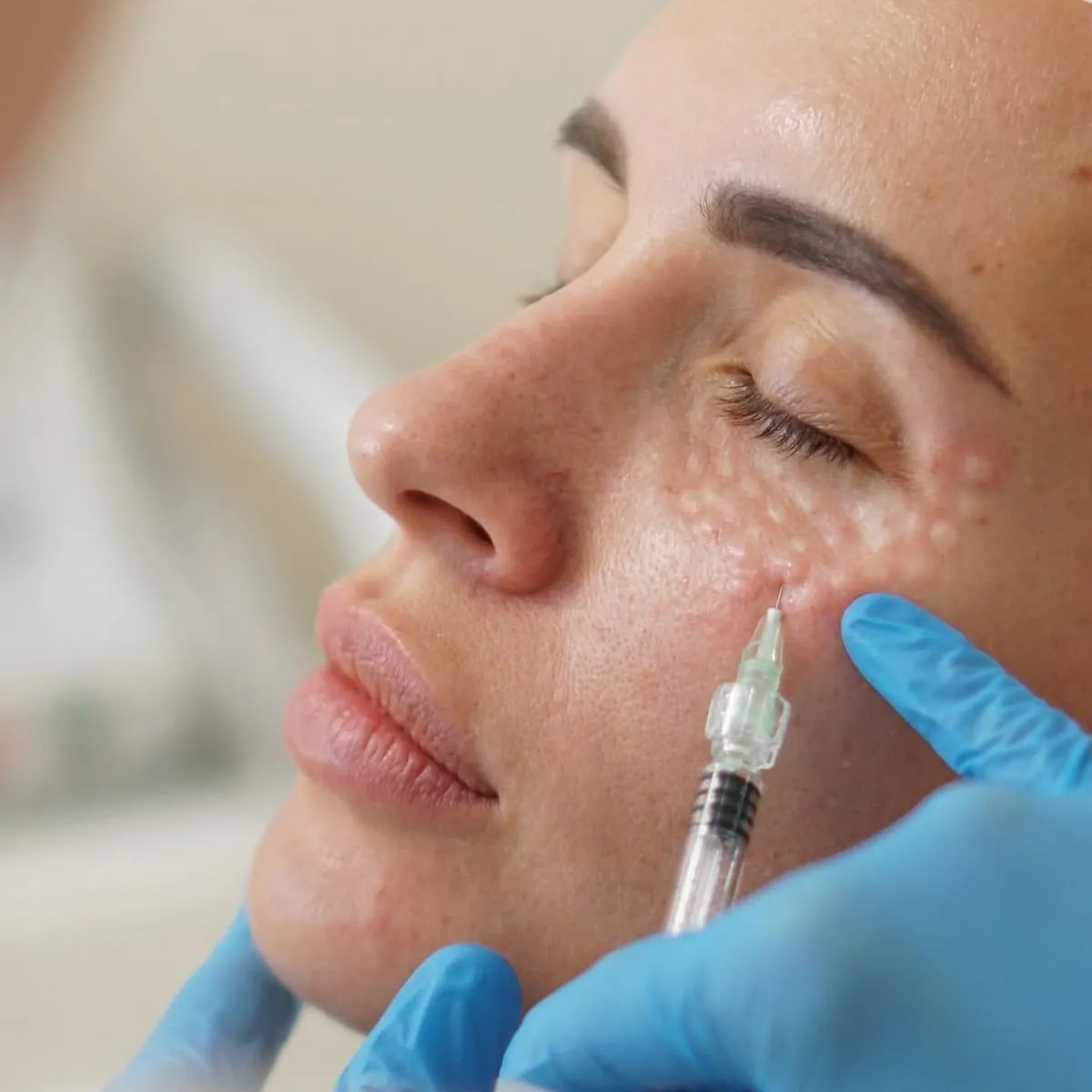
The prepared solution is applied to the scalp through injections or another guided method selected by your doctor.
5. Post-Treatment Care
Mild tenderness, redness or tightness may occur after treatment and usually settles within a day or two.
Follow the instructions provided by your treating doctor.
Our Hair PRP and GFC aftercare guide explains how to look after your scalp afterwards.
How Long Does It Take to See Results?
Hair grows slowly, so patience is important when considering PRP or GFC treatment.
Many people notice a reduction in hair shedding first, while visible changes in hair density and strength may take approximately 3 to 6 months.
Results generally depend on:
The underlying cause of hair loss.
The stage of hair thinning.
The health of existing hair follicles.
The treatment protocol followed.
Individual response to treatment.
A series of sessions may be recommended before evaluating the results. Maintenance sessions may also be advised.
Results vary from person to person, and neither treatment can guarantee complete hair regrowth.
How Can You Support Hair Health at Home?
Professional treatment is only one part of managing hair fall. Your daily habits and overall health also matter.
Here are some general steps that can help support healthy hair:
Eat enough protein, iron and vitamin-rich foods.
Avoid crash dieting and restrictive eating patterns.
Use a gentle shampoo suitable for your scalp.
Avoid excessive heat styling and tight hairstyles.
Take prescribed medicines or supplements only as advised by your doctor.
Manage stress and maintain a healthy sleep routine.
If you have persistent hair fall, identify the underlying cause instead of relying only on cosmetic treatments.
Frequently Asked Questions About PRP vs GFC for Hair Fall
Is PRP or GFC more painful?
Most people describe mild discomfort during treatment. Your doctor can use appropriate numbing methods to make the procedure more comfortable.
Does PRP or GFC cause side effects?
Since both treatments use material obtained from your own blood, allergic reactions are uncommon. Temporary redness, swelling or soreness can happen after treatment. Your doctor will explain what to expect and what symptoms require attention.
Will PRP or GFC stop hair fall completely?
These treatments may help reduce shedding and improve hair strength in suitable individuals. However, they cannot guarantee complete hair regrowth, especially when the underlying cause of hair loss has not been addressed.
Can PRP or GFC be combined with other hair treatments?
Often, yes. Depending on your diagnosis, your doctor may recommend combining treatment with medicines, supplements or other hair restoration therapies.
Where can I get PRP or GFC hair treatment in Delhi?
Paradise Wellness offers Hair PRP and GFC across four Delhi NCR clinics. Visit our locations page to find your nearest clinic.
Book a Hair Fall Consultation at Paradise Wellness
Concerned about hair thinning, excessive shedding or reduced hair density?
The first step is understanding why your hair is falling. At Paradise Wellness, you can discuss your hair concerns with a doctor and understand whether PRP, GFC or another treatment approach may be appropriate.
Explore our Hair PRP and GFC treatment, learn more about hair fall and thinning, or book a consultation.