




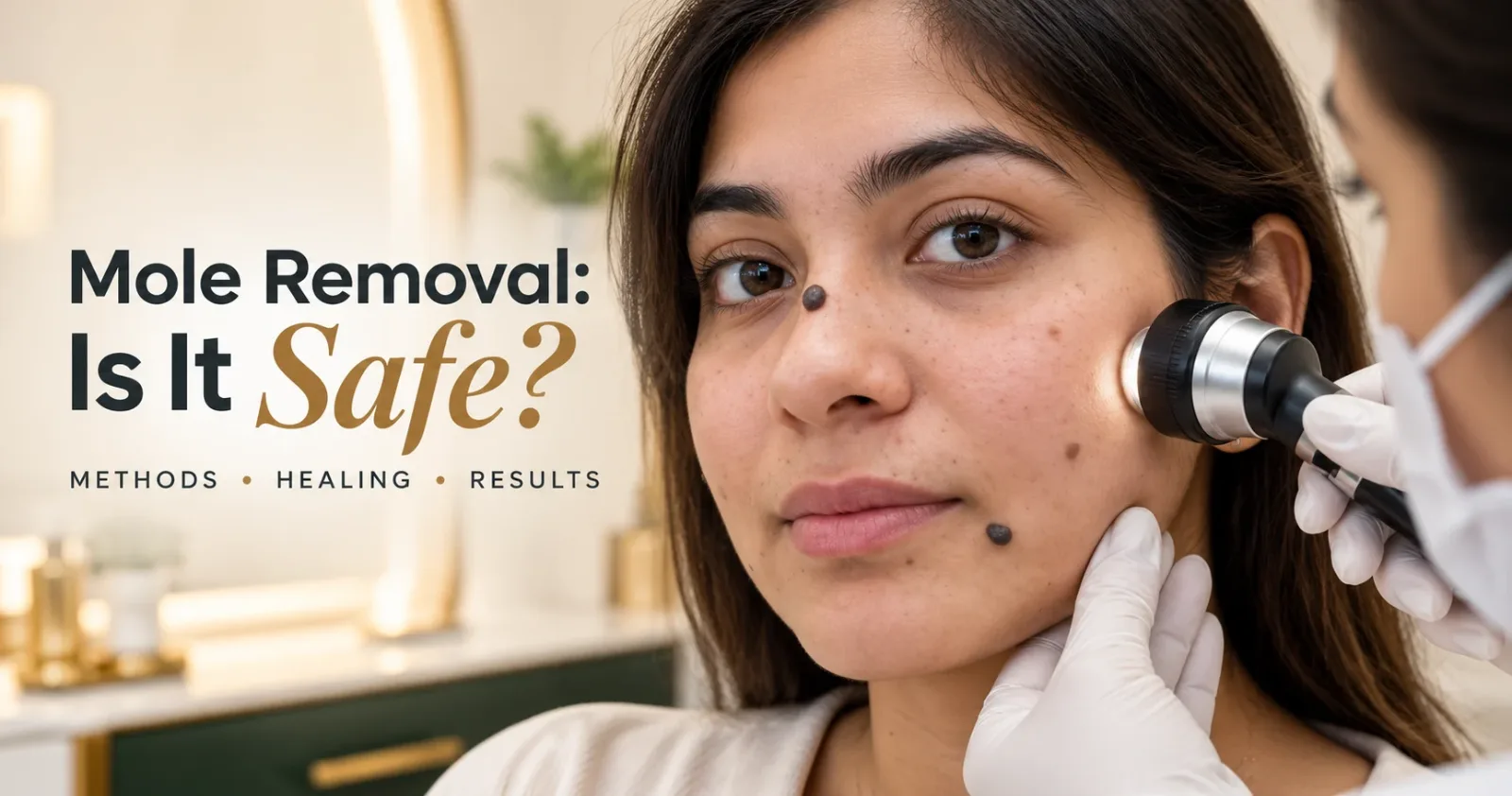
Most moles are harmless. People choose to remove them because they catch on clothes or jewellery, get nicked while shaving, or simply bother them on the face. Done by a doctor, after the mole has been checked, mole removal is a quick and generally safe procedure.
The important words are "after the mole has been checked". A small number of moles are not as harmless as they look, and removing them the wrong way can delay a diagnosis. Here is what to know before you book.
Which moles must be checked first?
Before any cosmetic removal, a doctor should look at the mole, ideally with a dermatoscope (a magnifying light). The American Academy of Dermatology uses the ABCDE warning signs:
- A – Asymmetry: one half does not match the other
- B – Border: uneven, scalloped or blurred edges
- C – Colour: several shades of brown, black, or patches of red, white or blue
- D – Diameter: usually larger than about 6 mm, though warning moles can be smaller
- E – Evolving: changing in size, shape or colour, or looking different from your other moles
Also see a doctor promptly if a mole itches, bleeds, crusts, is sore or appears new in adulthood and is growing. These moles are not removed cosmetically. They are removed in a way that allows a biopsy, so a specialist can examine the tissue under a microscope.
How do doctors remove moles?
There are two broad approaches, and the right one depends on what the doctor sees.
1. Excision or shave removal (allows lab testing)
The AAD describes surgical excision and surgical shave as the standard ways dermatologists remove moles. In excision, the whole mole is cut out and the skin is closed with fine stitches. In a shave, the raised part is removed with a blade. In both cases, the tissue can be sent to a laboratory. This is the right method for any mole that looks unusual.
2. Laser or radiofrequency removal (for clearly harmless moles)
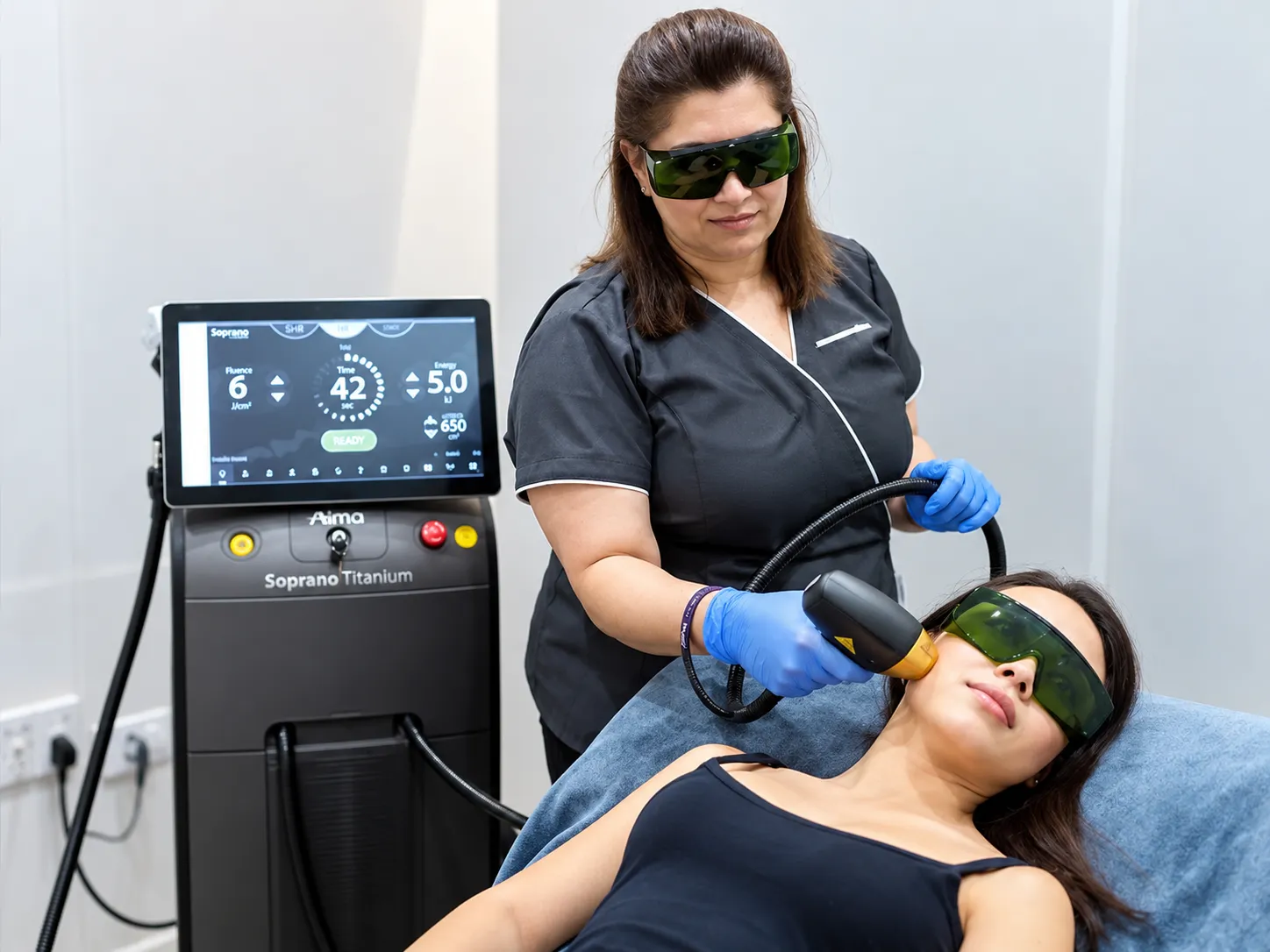
For moles that a doctor is confident are harmless, a CO₂ laser or radiofrequency device can remove the mole layer by layer. The doctor stops as soon as the skin looks clear, which helps minimise the mark left behind. This method vaporises the tissue, so there is nothing to send for testing, which is exactly why it is used only for moles that have been assessed as benign.
At Paradise Wellness, every mole is examined by a doctor first. Harmless raised moles are removed with CO₂ laser or radiofrequency; anything that looks unusual is referred for biopsy instead. See our mole removal page or watch our short mole removal video.
Why you should never remove a mole at home
Searches for mole removal creams and "mole removal pens" are growing, but the AAD warns against removing moles at home because of three main risks:
- Missed skin cancer – cancer cells can be left behind and the chance of an early diagnosis is lost
- Scarring – acids and pens can burn and scar the skin, sometimes worse than the mole
- Infection – home tools are not sterile
The AAD also notes that the US FDA has warned that over-the-counter mole removers can cause scarring and delay a skin cancer diagnosis. A professional removal costs more than a cream, but it is far safer.
What to expect on the day
- Assessment: the doctor examines the mole and discusses the best method.
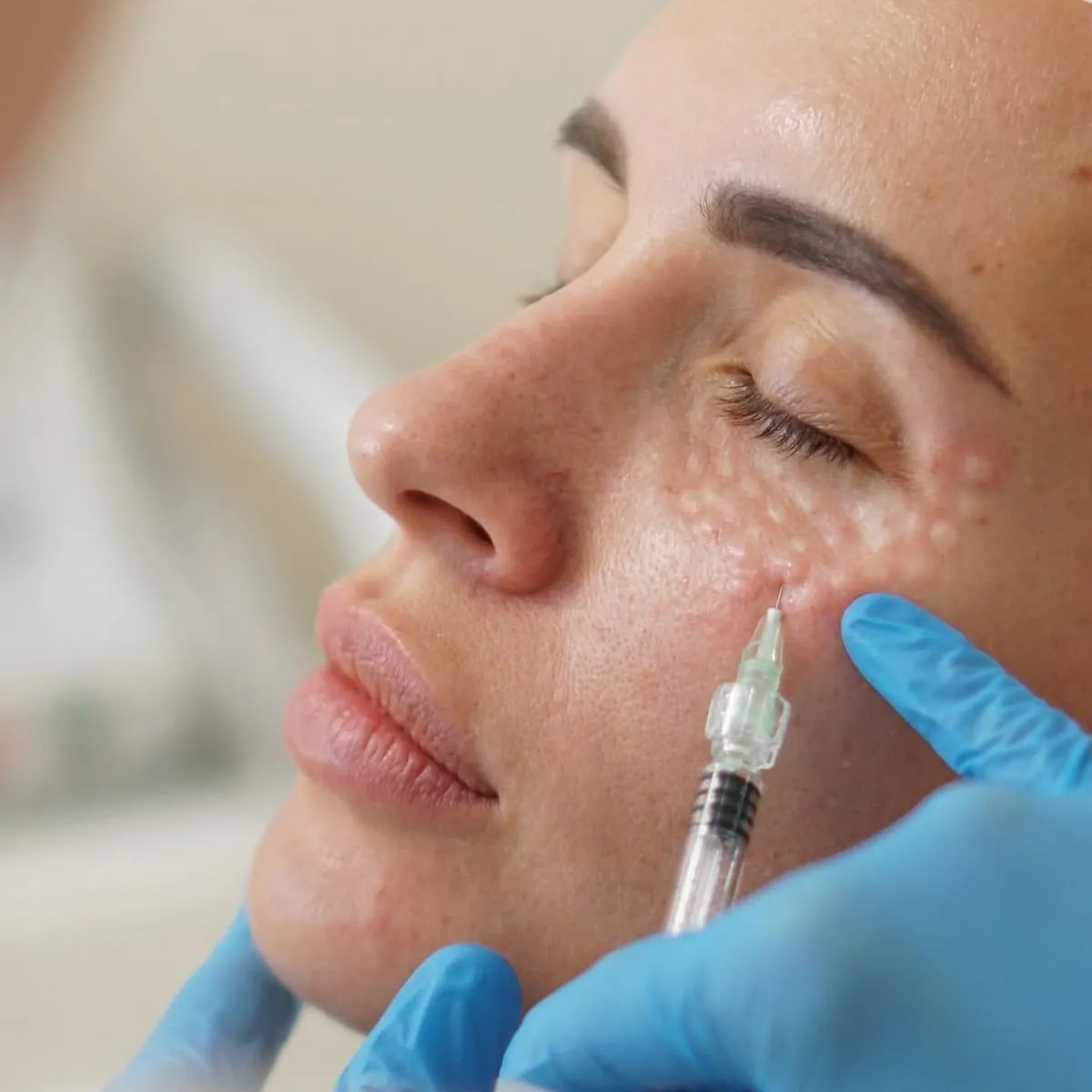
- Numbing: a small local anaesthetic injection or numbing cream.
- Removal: usually takes a few minutes per mole.
- Dressing: an antibiotic ointment or protective dressing is applied.
A session usually takes 30–60 minutes including assessment.
Healing and aftercare
After laser or radiofrequency removal, a small scab forms and usually falls off in 7–14 days, leaving pink new skin that gradually matures. After excision, stitches are typically removed in about a week depending on the area.
- Keep the area clean and dry as advised, and apply the prescribed ointment
- Do not pick the scab
- Avoid makeup on the spot until it has healed
- Use sunscreen on the area for several months. Indian skin can develop a dark mark as it heals, and sun exposure makes this worse.
Our mole, skin tag and wart removal aftercare guide has full instructions.
Will there be a scar?
Any removal that goes below the surface leaves some mark. Most people heal with a small, faint mark that fades over months. Deeper moles, moles on the chest and back, and people prone to keloids are more likely to scar. Your doctor will discuss this before treatment.
Can a mole grow back?
Sometimes. A deeper mole may need a second session if pigment cells remain below the surface. The AAD advises that a mole that grows back after removal should be checked by a dermatologist right away, because regrowth can occasionally be a warning sign.
Mole removal cost in Delhi
Mole removal is usually priced per mole, and depends on size, depth, location and method. Current guide price at Paradise Wellness:
| Treatment | Price |
|---|---|
| Mole removal | ₹1,999 per mole |
| Skin tags or warts (up to 10) | ₹2,999 |
If a biopsy is needed, the laboratory charge is separate. Exact prices are confirmed at consultation.
Moles, skin tags, warts and birthmarks: what is the difference?
People often use "mole" for any spot. A skin tag is a soft, hanging flap of skin; a wart is a rough growth caused by a virus; a birthmark can be pigment or blood vessels present from birth. Each is treated differently. Read about skin tag causes and removal, warts and how they spread and whether birthmarks can be removed with laser.
Frequently asked questions
Is mole removal painful?
With local anaesthetic, most people feel only the initial numbing injection or a brief sting.
Can I remove a mole on my face?
Yes, facial moles are among the most commonly removed. Facial skin usually heals well, and the doctor will choose a method that minimises marks.
Can a mole be removed in one session?
Most can. Some deeper moles need a second session after healing.
Is it safe to remove a mole during pregnancy?
Moles can darken during pregnancy. Cosmetic removal is usually postponed, but any changing mole should still be checked.
Can I go to work after mole removal?
Yes, most people return to work the same day.
The bottom line
Mole removal is safe and simple when a doctor checks the mole first and chooses the right method: laser or radiofrequency for clearly harmless moles, excision with lab testing for anything unusual. Avoid creams, pens and salon removal, look after the area while it heals, and get any regrowth checked.
Have a mole you'd like checked or removed? Book a consultation at Paradise Wellness in Vasant Vihar, Gurugram, Pitampura or Civil Lines. In-clinic consultations are free.
This article is for general information only. If a mole is changing, bleeding or itching, see a dermatologist promptly.